The National Treasury of Kenya has cleared a Sh12.9 billion legacy debt write-off for 11 firms, including Co-operative Bank, as part of its book clean-up exercise. The debts, which had accumulated over decades, were wiped off the Treasury's books in the year ended June 2026. The write-off targets Sh26.33 billion in outstanding debts, with Sh13.29 billion in principal and Sh13.04 billion in accumulated interest arrears.
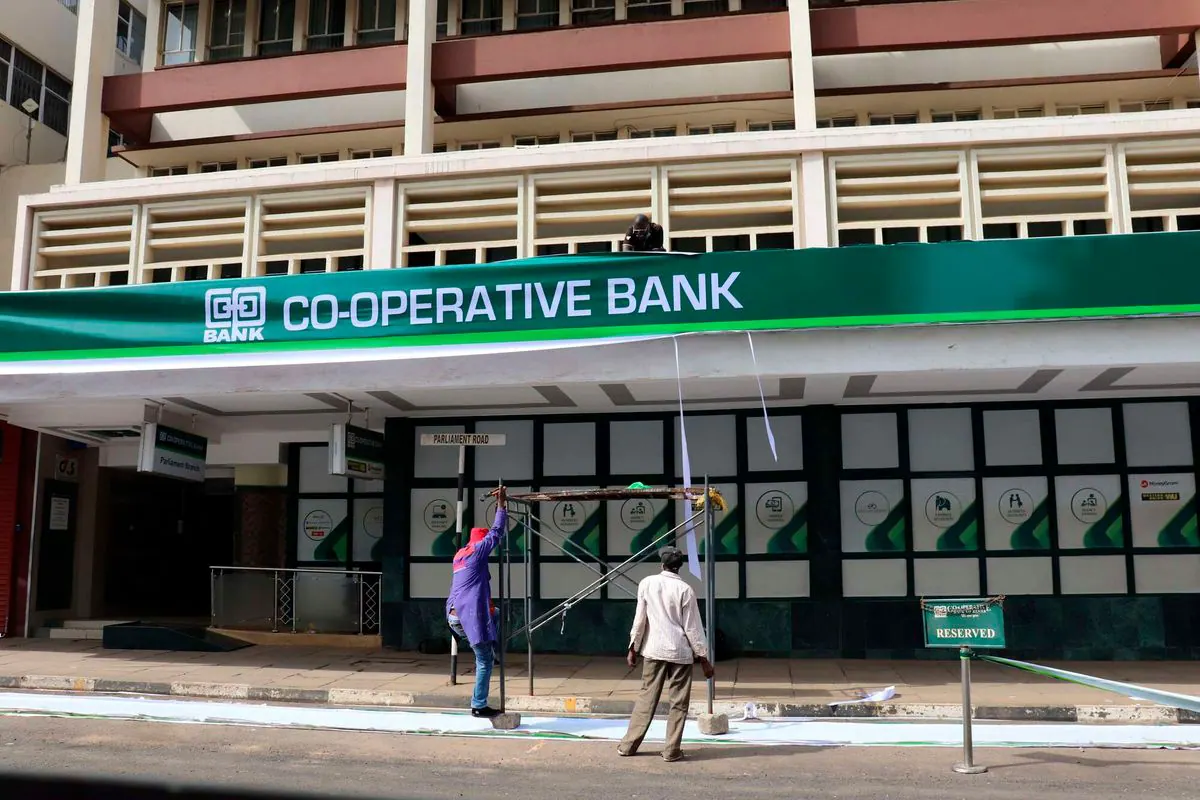
Co-operative Bank, Kenya's third-largest lender by assets and deposit accounts, had Sh267 million written off during the year. The unpaid loan, which initially stood at Sh339 million, raised questions about how the lender, which posted Sh29.75 billion in profit last year, struggled to pay off the debt. A senior official at the bank attributed the exposure to an old government kitty received for on-lending to smallholder farmers in various sub-sectors.
The government had tasked Co-op with facilitating loans to farmers under co-operative societies, collecting repayments, and remitting the money to the Treasury. However, poor repayment left residual balances long after the programmes collapsed. The official noted that a majority of farmers didn't pay back, reflecting as the outstanding amount in Treasury books over the years.
The write-off leaves Equity Bank as the only privately owned lender remaining on Treasury's list of borrowers under on-lending arrangements. Equity Bank owes Sh279 million in arrears from Sh534 million channelled through its network. The Treasury says the debts chalked off form part of its efforts to address long-outstanding audit queries and facilitate implementation of Public Accounts Committee (PAC) recommendations on non-performing government loans.
The defunct Local Government Loans Authority accounted for the largest balance among the 11 entities, with Sh7.594 billion outstanding at June 2025 before the debt was wiped from Treasury's books. The authority historically facilitated capital development borrowing by local authorities, which accumulated liabilities to the national government before the system was replaced by devolved county governments.
Other entities that had their debts written off include the National Water Conservation and Pipeline Corporation (Sh2.461 billion), the National Irrigation Board (Sh1.128 billion), and Kenya Meat Commission (Sh940 million). Moi University also had its Sh231 million legacy debt removed from the Treasury books, relating to a 36-year-old failed project.
The Treasury sought Cabinet approval to write off the debts in accordance with Sections 69 and 77 of the Public Finance Management Act, 2012, and the PFM Regulations. The scale of the write-offs highlights the long-term risk of government lending to public entities and projects that fail to generate sufficient income to repay the funds, burdening taxpayers.
Key points
- The National Treasury of Kenya has written off Sh12.9 billion in legacy debts owed by 11 firms.
- Co-operative Bank had Sh267 million written off, attributed to an old government kitty for on-lending to smallholder farmers.
- The write-off targets Sh26.33 billion in outstanding debts, with Sh13.29 billion in principal and Sh13.04 billion in accumulated interest arrears.