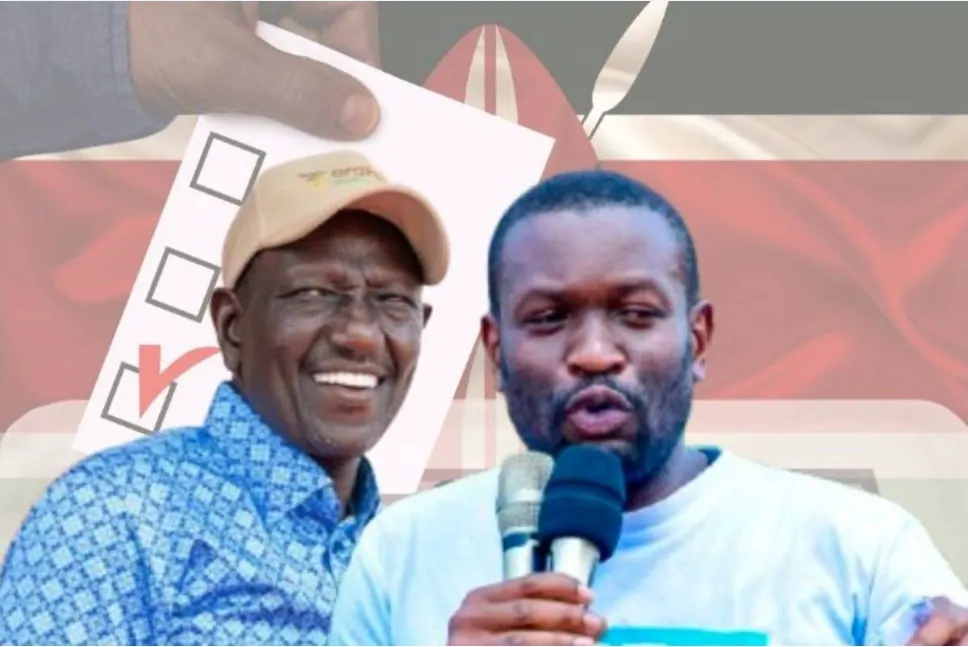
The race for the 2027 Kenyan presidential election is heating up, with a notable divide emerging between younger and older politicians within the opposition. This development has led to multiple candidates vying for the top spot, including Senator Edwin Sifuna, who has launched The Equitable Party (TEP). The party is expected to be renamed Linda Mwananchi Movement, with a focus on giving young people a significant role.
The younger generation of politicians, including Sifuna, Ndindi Nyoro, and Babu Owino, are pushing for a new era of leadership. They argue that it's time for young people to take the reins, as they've been told they're the leaders of tomorrow. Babu Owino stated that young people are now leaders and their time has come. This shift has sparked debate within the opposition, with some viewing it as a challenge to the traditional power structures.
However, the opposition camp is not unified, with various parties and leaders vying for influence. Kalonzo Musyoka's Wiper Patriotic Front, Martha Karua's People's Liberation Party, and Rigathi Gachagua's Democracy for the Citizens Party (DCP) are all in the mix. Additionally, there's a group of professionals and leaders outside of traditional politics, including former Interior Minister Fred Matiang'i, businessman Jimi Wanjigi, and former Chief Justice David Maraga.
Analysts say the debate is not just about age but also experience, national networks, regional support, and the ability to attract the new generation of voters. The discussions have been fueled by Senator Sifuna's launch of TEP, which is seen as a vehicle for young leaders. This has led to tensions between different factions, with some leaders expressing support for specific candidates.
One of the key challenges facing the younger generation of politicians is translating their online influence into grassroots support. Analysts argue that winning the presidency requires a strong national network and the ability to mobilize voters at the grassroots level. Meanwhile, candidates like Matiang'i, Wanjigi, and Maraga are leveraging their professional and public service experience as an alternative to traditional politics.
Other candidates, such as Senator Okiya Omtatah, are focusing on issues like constitutional reform, the rule of law, and reducing presidential powers. Analysts believe that the outcome of the 2027 election will depend on the ability of candidates to build broad coalitions that transcend ethnic, regional, and party lines.
As the 2027 election approaches, Kenya's opposition is grappling with the complexities of leadership succession. With multiple candidates vying for the top spot, the competition is expected to intensify. The outcome will likely depend on the ability of candidates to build support, mobilize voters, and navigate the complexities of Kenyan politics.
Key points
- A generational divide is emerging within Kenya's opposition as younger politicians vie for the 2027 presidential election.
- The opposition camp is fragmented, with multiple parties and leaders vying for influence.
- Candidates will need to build broad coalitions and mobilize grassroots support to win the presidency.