As Kenya enters the final year of the third devolution cycle, the country has made significant progress in expanding infrastructure, improving access to services, and opening new pathways for local development and jobs. Devolution has brought government closer to the people, with 47 counties benefiting from increased access to services. However, progress must now be measured by tangible improvements in health, early childhood development, nutrition, water and sanitation, social protection, child protection, and climate resilience.
The foundation for further progress is clear, with 107,831 Community Health Promoters bringing primary health care closer to households across all 47 counties. Pre-primary enrolment has grown from 2.91 million learners in 2024 to 3.12 million in 2025. These gains must be protected, and remaining gaps closed to ensure every shilling translates into equitable results. The next chapter of devolution must focus on turning county financing into visible, reliable services for children, families, and vulnerable communities.
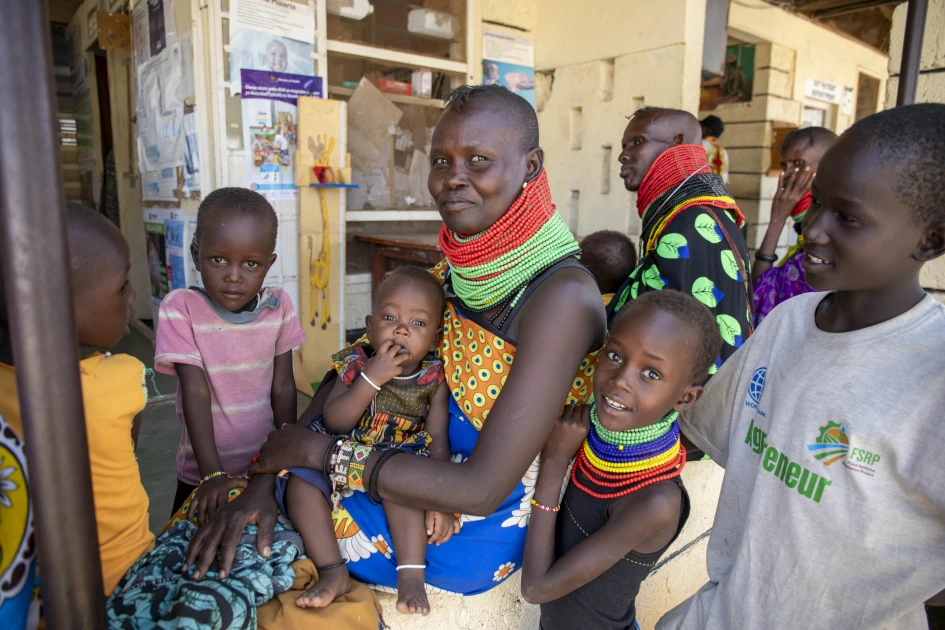
The stakes are high, as services delivered through devolution shape Kenya’s human capital. Children aged 0 to 17 make up 41.3 per cent of the population, about 22 million people, and in some counties more than half of the population is under 18. Every child reached through a health facility, an early learning classroom, a nutrition programme, a safe water point or a social protection system is not only receiving a service today, they are becoming part of Kenya’s future workforce, resilience and growth.
Predictable financing and clear accountability for results in key sectors are crucial for the next phase of devolution. However, county disbursements were highly uneven in the 2024/25 financial year, with some months receiving zero disbursements and others receiving Ksh 63.9 billion. In the 2025/26 financial year, only 50.3 per cent of approved grant allocations to county governments were disbursed by the reporting period.
Health is a key sector where devolution has achieved significant gains, but sustaining momentum is crucial to protect and expand these gains. Devolved systems have expanded community health and supported gains in maternal and newborn care, but recent pressures have led to a decline in the county health workforce and skilled birth deliveries. National and county governments must protect frontline capacity, strengthen primary health care and track results in maternal health, newborn survival, immunization, nutrition and adolescent wellbeing.
Equity remains a significant challenge, with more than 55 per cent of children in Kenya being multidimensionally poor, and county-level child poverty ranging from 13.5 per cent in Nairobi to as high as 94 per cent in some counties. A fair financing system should prioritize closing these gaps, rather than merely recording expenditure. Social protection is vital to protecting families, building resilience and investing in children’s futures, but the Cash Transfer for Orphans and Vulnerable Children reaches only about 1.1 million children against an estimated 9 million children in need.
Kenya’s Constitution provides a foundation for this agenda, requiring public resources to promote equitable development, including special provision for marginalized groups and lagging areas. The next devolution chapter must be practical, costed and relentlessly focused on delivery, prioritizing timely and predictable financing, transparent planning, and accountable delivery. The priority is clear: release approved funds on time, protect frontline workers and essential supplies, target the counties and households facing the greatest deprivation, and track whether public spending is improving lives.
Key points
- Devolution has expanded infrastructure and improved access to services, but must now focus on tangible improvements in health, education, and social protection.
- Predictable financing and clear accountability for results are crucial for the next phase of devolution.
- Equity remains a significant challenge, with more than 55 per cent of children in Kenya being multidimensionally poor.