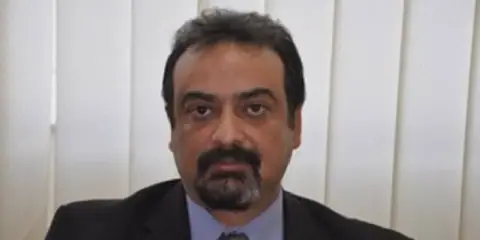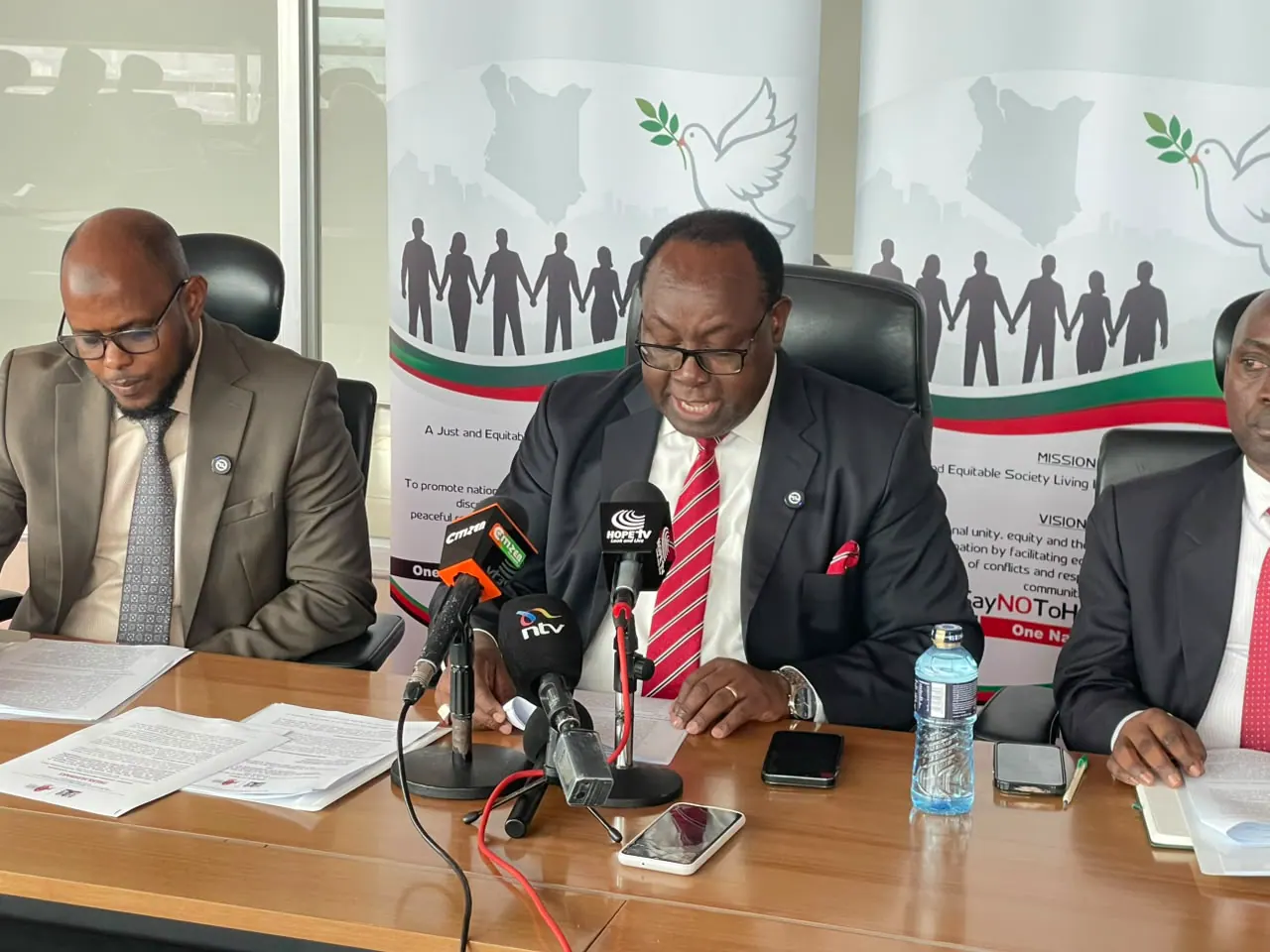
The National Commission for Cohesion and Integration (NCIC) in Kenya has issued directives to two government officials, Geoffrey Ruku and John Kaguchia, to withdraw their statements that were deemed to be divisive and inflammatory. The statements were made in separate incidents, with Ruku's comments being made in Tharaka Nithi county and Kaguchia's in Nyeri county. The NCIC, led by Chairman Bishop Kepha Omae, found that the statements had the potential to incite ethnic and political tensions.
According to the NCIC, Ruku made statements in July that implied that the Kikuyu people believed Kenya was their property and that they were responsible for inequalities in development and appointments. The commission also criticized Ruku for using ethnic names in a debate about development and appointments. Ruku admitted to making the statements but claimed that he was exercising his constitutional right to express himself and that his comments were taken out of context.
The NCIC also took issue with Kaguchia's statements, which were made during a political rally in Nyeri county. The commission found that Kaguchia's comments were threatening and incited violence against supporters of President William Ruto. Kaguchia was arrested and charged in court for making inflammatory statements. During his appearance before the NCIC, Kaguchia disputed the translation of his statements and requested that the original recording be played and translated into Kikuyu.
The NCIC has ordered Ruku to publicly withdraw his statements in Swahili and English, specifically his claims that the Kikuyu people believe Kenya is their property or that they are responsible for inequalities in development and appointments. Ruku's position as a government minister was cited as a reason for his statements being given more weight and scrutiny. The commission emphasized that Ruku's comments had the potential to incite ethnic tensions and undermine national cohesion.
Kaguchia has also been ordered to publicly apologize and issue a corrective statement in Kikuyu, Swahili, and English, to be disseminated to the same extent as his original speech. The NCIC found that Kaguchia's statements had the potential to incite violence, lead to exclusion, and undermine peaceful political participation. The commission's directives aim to promote national cohesion and prevent further divisions along ethnic and political lines.
The incidents have highlighted the tensions and divisions within Kenya's political landscape, particularly as the country approaches the 2027 general elections. The NCIC's directives have been seen as an effort to promote national cohesion and prevent further divisions. The commission's actions have also underscored the importance of leaders being mindful of their words and actions in promoting national unity.
The cases have sparked debate about the limits of free speech and the role of leaders in promoting national cohesion. The NCIC's actions have been welcomed by some as a necessary step to prevent further divisions, while others have expressed concerns about the potential for overreach and censorship. The incidents have also highlighted the need for greater awareness and education about the importance of national cohesion and the dangers of divisive rhetoric.
Key points
- The NCIC has ordered two government officials to withdraw statements that were deemed to be divisive and inflammatory.
- The statements were made by Geoffrey Ruku and John Kaguchia, and were found to have the potential to incite ethnic and political tensions.
- The directives aim to promote national cohesion and prevent further divisions along ethnic and political lines.