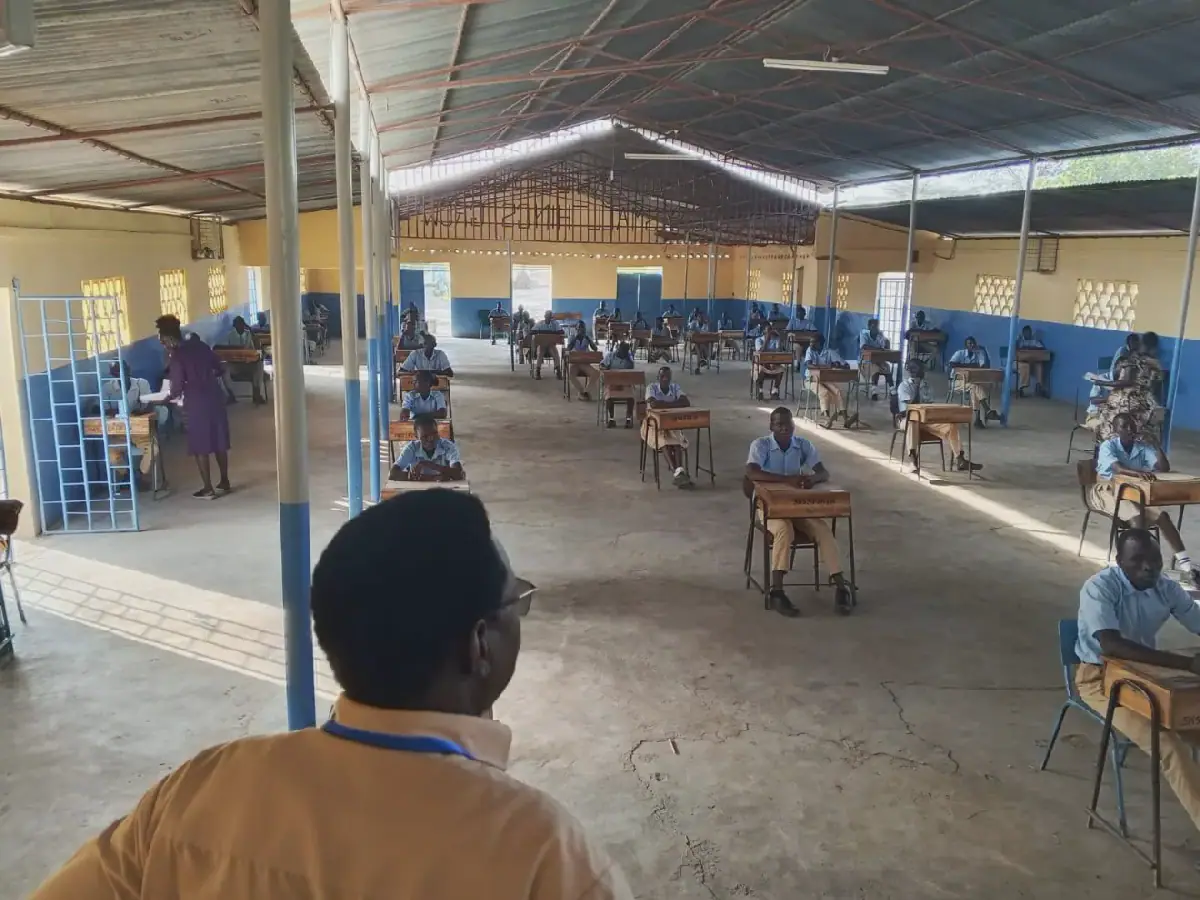
The 2026 Kenya Certificate of Secondary Education (KCSE) national exams commenced countrywide on November 2, 2026, under strict security measures. Over 1.2 million candidates are sitting for the exams in various centers across the country. The Kenya National Examinations Council (KNEC) has implemented tight security measures to prevent cheating, including prohibiting candidates, invigilators, and other officials from entering exam rooms wearing wristwatches.
In an effort to maintain the integrity of the exams, the use of personal watches is strictly forbidden, and candidates are required to use wall clocks provided in the exam rooms. The security measures also include restrictions on non-uniformed individuals entering the exam premises. So far, reports indicate that the exams have started without major incidents. The KNEC has warned against any form of cheating, emphasizing that strict measures are in place to curb malpractice.
In some areas, security concerns necessitated the relocation of candidates. For instance, in Moyale, Marsabit County, 220 candidates from two border schools were transferred to safer locations due to stray bullets from clashes in neighboring Ethiopia. The affected candidates from Sessi and St. Mary mixed schools were relocated to safer primary schools. A total of 1,443 candidates are sitting for the exams in 12 centers in the region, with Kenya Defence Forces (KDF) personnel and border security officials enhancing patrols.
According to Prof. Julius Nyabundi, Chairperson of the Kenya National Examinations Council (KNEC), there were no reports of cheating or irregularities as of Monday morning. He noted that this is the second-to-last exam under the current KNEC system before the implementation of the new Competency-Based Curriculum (CBC). In Uasin Gishu County, 22,593 candidates started their exams at 246 centers, with officials enforcing strict rules, including the ban on wristwatches and non-uniform attire.
In Turkana County, over 7,000 candidates in 68 centers began their exams, with school administrators calling for increased security in areas prone to banditry. The national government and county governments are also monitoring the possibility of floods disrupting the transportation of exam materials. Other counties, including Baringo with 16,549 candidates in over 196 centers and Trans Nzoia with 28,353 candidates in 253 centers, reported a smooth start to the exams.
Despite the generally smooth start, some regions faced challenges. In Nyeri, four candidates were hospitalized due to health issues and are sitting for their exams in hospital. Bomet County also has three candidates, including two pregnant women, taking their exams in a medical facility. In Murang'a County, concerns were raised about nearly 600 students who had reportedly dropped out since joining Form One.
The exams are expected to conclude without major hitches, with education and security officials assuring the public of their preparedness to ensure the exams are administered safely and securely. A total of 63,415 candidates in the Coast region started their exams, with Kilifi County having 25,617 candidates, Mombasa 12,187, and Kwale 12,171. The exams will test the candidates' knowledge and skills acquired over the past four years of secondary education.
Key points
- The 2026 KCSE national exams have started countrywide under tight security measures to prevent cheating.
- Over 1.2 million candidates are sitting for the exams in various centers across Kenya.
- Strict rules, including a ban on wristwatches and non-uniform attire, have been enforced to maintain the integrity of the exams.