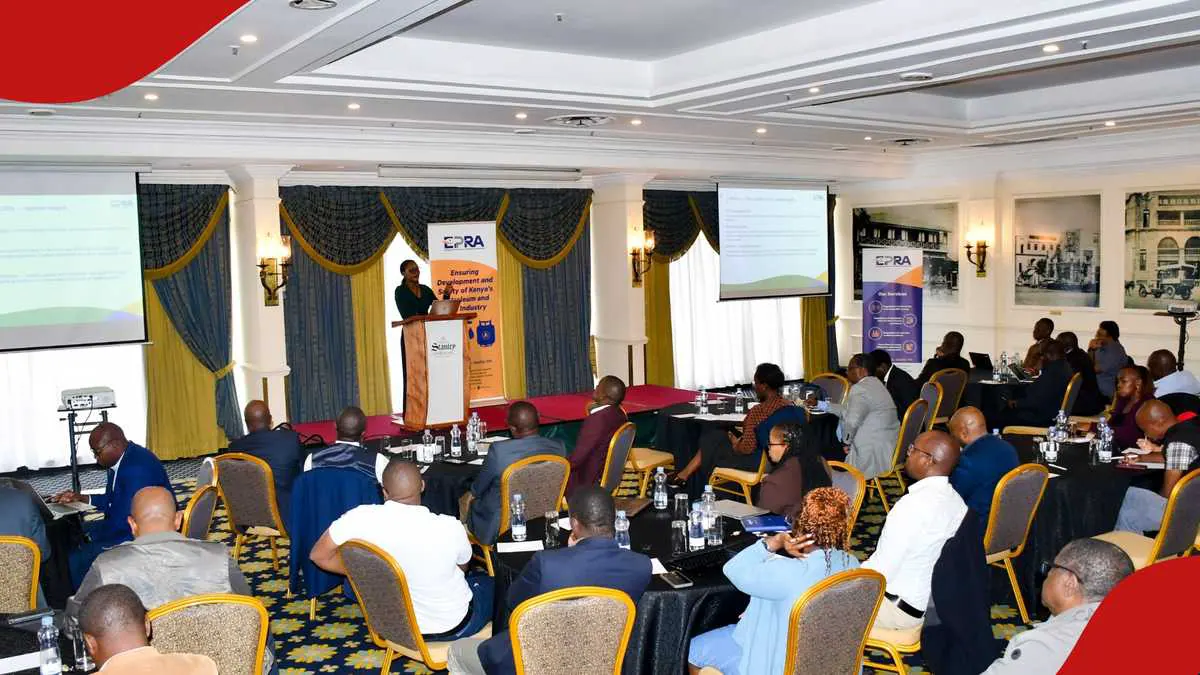
The Energy and Petroleum Regulatory Authority (EPRA) in Kenya recently held a consultative forum in Nairobi to discuss the Petroleum (Lubricants Facility Construction and Business Licensing) Regulations, 2025. The meeting brought together key industry players, including representatives from the Kenya Bureau of Standards (KEBS), the National Environment Management Authority (NEMA), the Kenya Association of Manufacturers (KAM), and the Petroleum Institute of East Africa (PIEA).
Discussions at the forum centered on compliance requirements, implementation timelines, and transition arrangements under the new regulatory framework. Participants examined the KS 2634 standard, which governs lubricant blending, reclamation, grease production, and transformer oil. The focus was on identifying sections that may need updating to reflect current technological advances, environmental considerations, and shifts in market conditions.
The forum served as a platform for stakeholders to raise practical concerns and propose concrete measures to support the smooth implementation of the regulations. EPRA indicated that the review of KS 2634 was intended to keep the standard aligned with evolving industry realities. The authority remains committed to working together with stakeholders to strengthen safety, product quality, consumer protection, and sustainability across Kenya's lubricants sector.
The consultative approach signals EPRA's intention to build consensus around the regulatory changes before full enforcement begins, giving industry players an opportunity to shape how the rules are applied in practice. This move is expected to ensure that the new regulations are practical and effective in regulating the lubricant industry in Kenya.
In addition to discussing the new lubricant licensing regulations, EPRA issued a public safety alert urging Kenyans to keep their hands dry before handling switches, sockets, and other electrical equipment. The warning targets households and businesses as part of the regulator’s wider campaign to prevent energy-related accidents.
EPRA also addressed gas-related risks, including leaks, faulty appliances, fires, explosions, and carbon monoxide poisoning. The authority emphasized the importance of taking precautions to avoid these hazards, which can have serious consequences if not handled properly.
The engagement by EPRA with stakeholders on the new lubricant licensing regulations demonstrates the authority's commitment to effective regulation and stakeholder engagement. The regulations are expected to enhance safety, quality, and sustainability in the lubricant sector, which is crucial for the country's economy and consumer protection.
Key points
- The Energy and Petroleum Regulatory Authority (EPRA) in Kenya held a consultative forum to discuss new lubricant licensing regulations.
- The forum brought together key industry players to deliberate on compliance requirements, implementation timelines, and transition arrangements.
- EPRA issued a public safety alert urging Kenyans to take precautions when handling electrical equipment to prevent energy-related accidents.