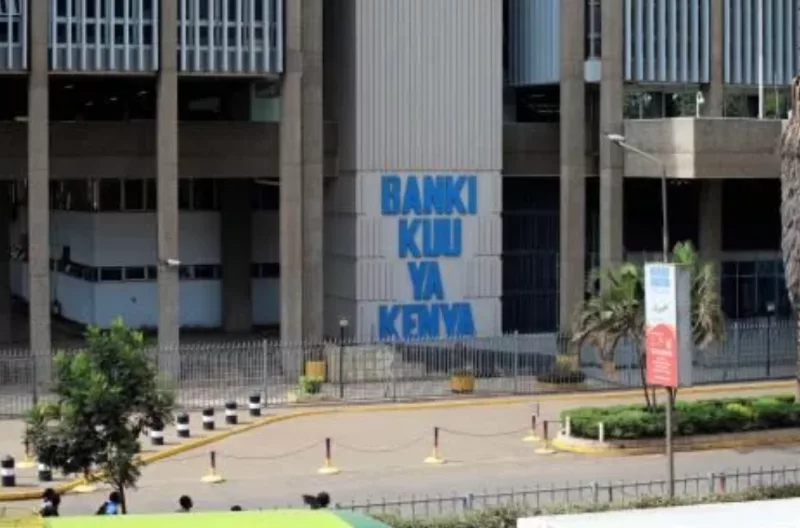
The Central Bank of Kenya (CBK) has licensed 29 additional Digital Credit Providers (DCPs), bringing the total number of licensed lenders to 281. This move is part of the regulator's efforts to expand the regulated credit market and address concerns over high borrowing costs, hidden charges, and aggressive debt collection. The new licenses follow the approval of 25 DCPs in July 2026.
As of August 2026, licensed DCPs had granted 9,596,509 loans valued at Sh165.1 billion. The majority of these loans are short-term and small, with most being below Sh20,000. This has made digital lending a significant player in the small-credit market, surpassing microfinance banks. The rapid growth of digital lending has been driven by the increasing use of mobile money and app-based lending.
The digital lending industry in Kenya has its roots in the country's mobile-money revolution. The first major digital credit product, M-Shwari, was launched in November 2012 through a partnership between Commercial Bank of Africa and Safaricom. This allowed customers to save and borrow through their mobile phones, establishing a new model of accessing formal credit.
The CBK has received over 900 applications for licenses since March 2022 and has been working with applicants to review their business models and consumer-protection arrangements. The regulator has urged applicants to submit pending documentation expeditiously to enable the completion of the review of their applications.
Digital lending has formed part of Kenya's wider financial-inclusion story. The 2024 FinAccess Household Survey found that access to formal financial services and products increased to 84.8 per cent from 83.7 per cent in 2021, with mobile money remaining a key driver of inclusion. The growth of digital lending has also raised concerns over the need for effective regulation.
The CBK's Financial Sector Stability Report showed that DCP loans had surpassed those of microfinance banks by December 2024. By June 2025, DCPs had advanced Sh76.8 billion to the private sector. The short-term nature of these loans makes them useful for emergencies and working capital for small businesses.
The licensing of digital lenders is part of the CBK's efforts to ensure compliance with the law and safeguard customers' interests. The regulator has emphasized the importance of protecting consumers from high borrowing costs, hidden charges, and aggressive debt collection.
Key points
- Digital lenders have granted 9,596,509 loans valued at Sh165.1 billion as of August 2026.
- The number of licensed digital lenders has increased to 281.
- Digital lending has contributed to Kenya's financial-inclusion story, with access to formal financial services increasing to 84.8 per cent.