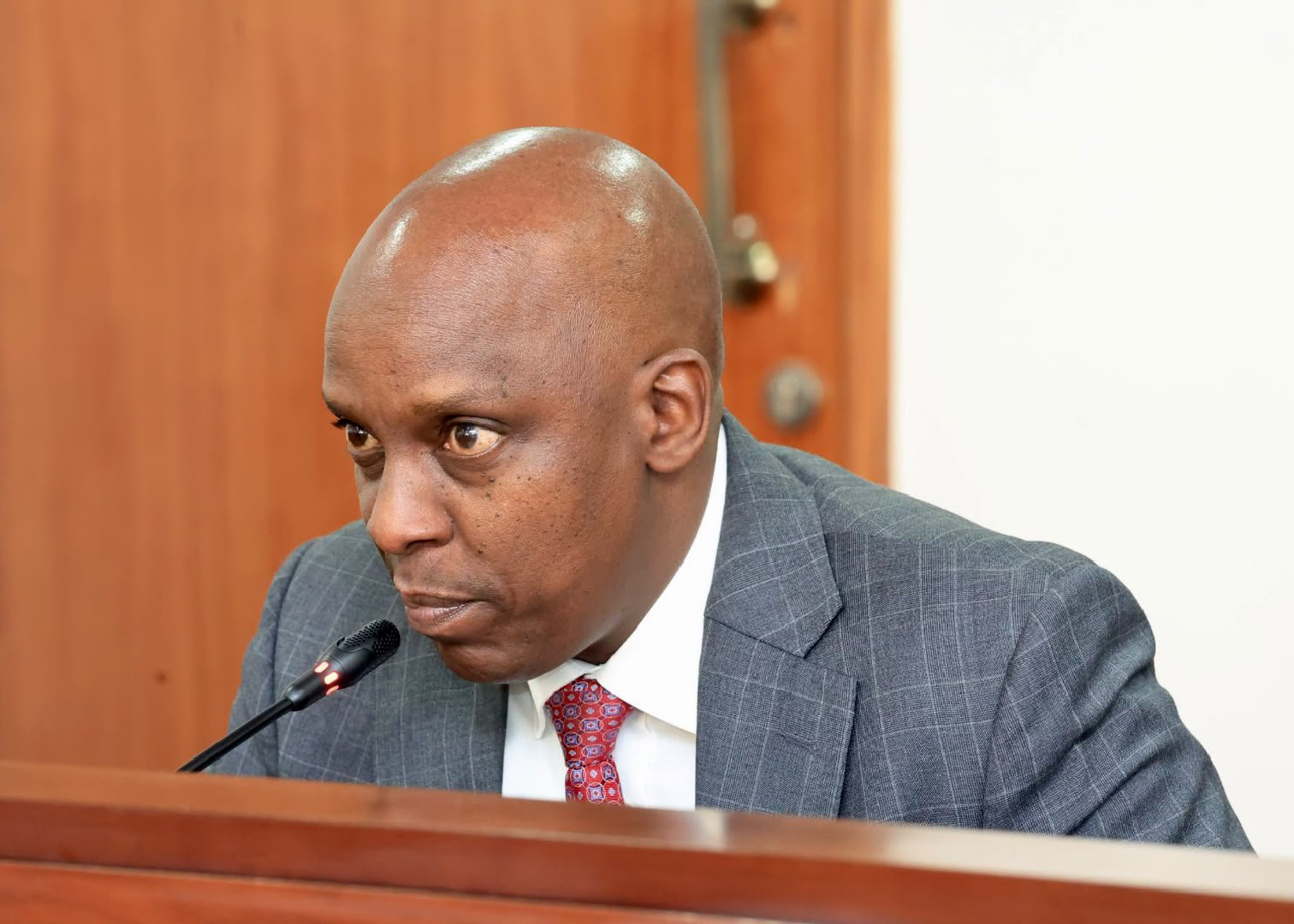
The Communications Authority of Kenya (CA) has introduced new measures to protect mobile subscribers from losing their numbers without warning. CA Director-General David Mugonyi appeared before the National Assembly's Public Petitions Committee on October 6, 2026, to address concerns about Safaricom's handling of inactive SIM cards. The committee's inquiry was sparked by a petition from Thomson Kerongo and Asiago Stephen, who claimed that Safaricom deactivates SIM cards after six months of inactivity and reallocates the numbers without adequate notice.
The petitioners expressed concerns that reassigned numbers could create problems for former subscribers, as mobile numbers are often linked to mobile-money accounts, banking services, social media, email, and other online services. The committee also questioned what happens to money held in mobile-money accounts when the owner dies and the associated number is later deactivated or recycled. Mugonyi told MPs that operators must follow procedures developed by the CA for deactivating and recycling inactive numbers, including attempting to contact subscribers and providing public notice.
Under the new framework, operators must attempt to contact subscribers whose numbers have been inactive for over three months using available contact information collected during SIM registration. A notification process then runs for another three months, and numbers that remain inactive for over six months can become eligible for deactivation and recycling. Operators must publish a notice informing the public about numbers due for deactivation and provide a USSD facility for people to verify whether their numbers are affected.
The hearing also raised concerns about numbers belonging to deceased subscribers, with Committee chairperson Janet Sitienei citing a case of a deceased relative whose SIM card contained money that the family could not access. MPs wanted to know who should be notified when a subscriber dies and whether money associated with a deactivated or recycled number falls under Kenya's unclaimed-assets framework. However, the CA's appearance did not produce a specific new mechanism for recovering such mobile-money balances.
The CA told MPs that subscribers who cannot use their numbers for extended periods can seek protection from recycling. Numbers can be whitelisted where a subscriber is expected to remain inactive for over six months due to circumstances such as illness, imprisonment, or other incapacity. For prisoners, the Commissioner of Prisons can notify operators and request that qualifying numbers be protected during incarceration.
One of the significant issues to emerge from the hearing was that the notification system depends on operators having accurate information about subscribers. Mugonyi told MPs that some customers do not provide alternative contact details during SIM registration, while some agents fail to insist on collecting them. The CA is considering proposals for mobile network operators to handle SIM registration directly rather than relying on third-party agents.
The hearing produced two separate outcomes, with the National Assembly continuing its inquiry into Safaricom's handling of inactive numbers, while the CA has set out a framework to prevent numbers from being silently deactivated and reassigned. The unresolved issue is what happens to the financial and digital accounts left behind when a number's original owner can no longer be reached, particularly in cases involving deceased subscribers.
Key points
- The Communications Authority of Kenya has outlined new safeguards for deactivating and recycling inactive mobile numbers.
- Mobile network operators must attempt to contact subscribers and provide public notice before deactivating and recycling inactive numbers.
- The issue of what happens to mobile-money balances when a subscriber dies remains part of the broader parliamentary inquiry.