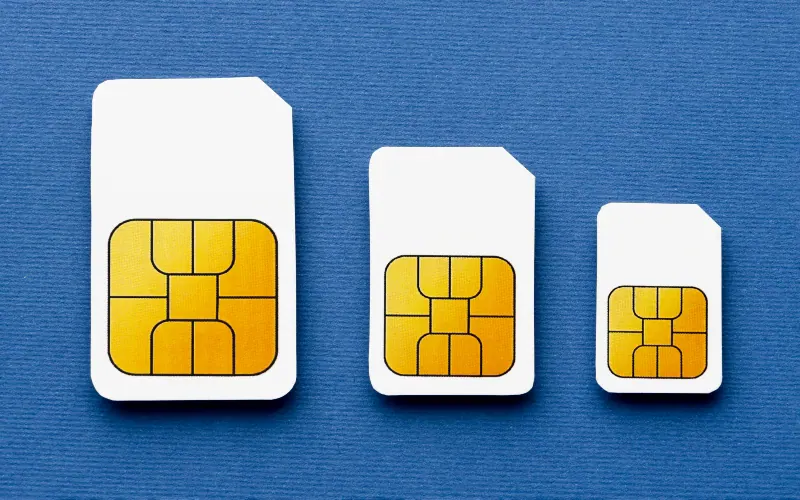
The Communications Authority of Kenya (CA) has introduced new procedures requiring telecoms to give subscribers three months' notice before deactivating inactive SIMs and recycling numbers. This move follows a High Court ruling in March 2026. The CA aims to ensure that subscribers are adequately notified before their numbers are deactivated and reassigned to new users. The new rules are designed to protect users' interests and prevent disruptions to their access to financial and communication services.
Under the new "Procedures and Technical Safeguards for Deactivation and Recycling of Inactive Mobile Numbers, 2026," mobile network operators must use all contact details collected during the Know Your Customer (KYC) registration to inform users whose numbers have been idle for more than three months. The CA Director General, David Mugonyi, explained the rules to the National Assembly Public Petitions Committee. The procedures aim to ensure that subscribers are notified through all available contact channels.
If a number remains inactive for six months, operators are required to issue a public notice that includes a USSD code allowing the public to check the status of their numbers and determine whether deactivation is imminent. This measure is intended to give subscribers ample time to reactivate their numbers or take necessary actions. The CA also allows numbers to be "whitelisted" when a subscriber or an authorised representative demonstrates that the number will remain unused for over six months.
The new framework was drafted in response to a High Court ruling that directed the State Law Office to prevent unfettered deactivation and arbitrary reassignment of mobile numbers within six months. The ruling was prompted by complaints from two Kenyans, Thomson Kerongo and Asiago Stephen, who alleged that Safaricom deactivates SIMs after six months of inactivity without sufficient notice. The CA's new procedures aim to address these concerns and protect subscribers' rights.
During the committee hearing, MP Janet Sitienei raised concerns about unclaimed funds on deactivated SIMs and asked whether such monies fall under the Unclaimed Financial Assets Act. The CA noted that accurate KYC information, including alternative contacts, is essential for notifying families or legal representatives of deceased or incapacitated subscribers. However, the CA acknowledged gaps in data collection by some agents, which can make it difficult to notify subscribers.
The CA's new procedures also make special provisions for prisoners, whose numbers can be protected by a letter from the commissioner of prisons. This measure aims to ensure that prisoners' numbers are not deactivated while they are incarcerated. The CA's move is expected to have a significant impact on the telecom industry in Kenya, where millions of subscribers rely on mobile services for communication and financial transactions.
The implementation of the new procedures is expected to improve the overall experience of mobile subscribers in Kenya. Key stakeholders, including telecom operators and consumer advocacy groups, are expected to play a crucial role in the implementation of the new rules. By providing a clear framework for SIM deactivation and recycling, the CA aims to promote transparency and accountability in the telecom industry.
Key points
- Telecom operators must provide a three-month notice to subscribers before deactivating inactive SIMs and recycling numbers.
- The new procedures allow numbers to be "whitelisted" when a subscriber or an authorised representative demonstrates that the number will remain unused for over six months.
- Accurate KYC information is essential for notifying families or legal representatives of deceased or incapacitated subscribers.