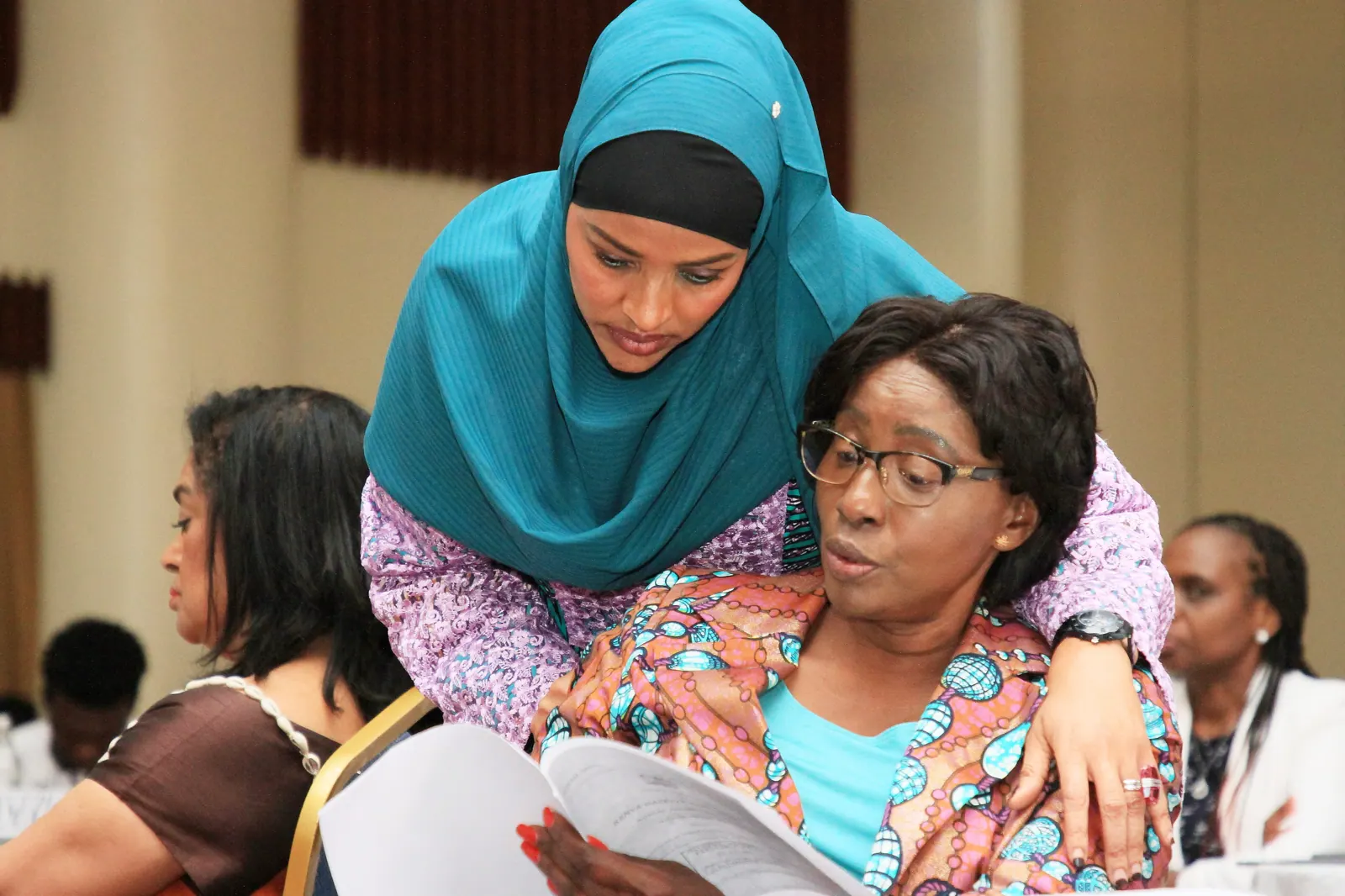
A high-level forum in Kenya has discussed a fresh proposal to implement the two-thirds gender rule in Parliament, a constitutional requirement that has been pending for 16 years. The National Gender and Equality Commission (NGEC), UN Women, and other agencies organized the forum to find a lasting solution. The proposed Constitution of Kenya (Amendment) Bill, 2025, aims to amend Articles 90, 97, and 98 of the Constitution.
The bill, sponsored by Deputy Speaker Gladys Boss, Beatrice Elachi, and Jane Kagiri, provides a mechanism for determining the number of additional seats after election results have been declared. The number of special seats would depend on the gender composition of MPs elected in the 290 single-member constituencies. This approach is different from previous proposals that failed to secure parliamentary approval.
The bill does not set a fixed number of women to be added to the National Assembly. Instead, it provides for the number of special seats necessary to ensure that no more than two-thirds of constituency-elected MPs are of the same gender. The additional seats would be allocated to political parties in proportion to the number of seats they win at the general election. A similar mechanism would apply to the Senate.
NGEC chief executive Purity Ngina welcomed the proposal, emphasizing that the responsibility for meeting the constitutional threshold should not be placed on voters. Ngina said every Kenyan has a constitutional right to vote according to their conscience. The gender composition of Parliament can only be known after votes have been counted and winners declared.
NGEC chairperson Rehema Jaldesa noted that the country has moved beyond debating the principle and should now focus on a practical mechanism. In the 2022 election, women won only 29 of the 290 constituency seats, while seven women were elected governors. Jaldesa said several bills have been introduced since 2011, but none have been enacted.
Independent Electoral and Boundaries Commission commissioner Anne Nderitu suggested that the country should also address the role of political parties in increasing the number of women elected directly. Nderitu urged political parties to deliberately nominate women in constituencies where they have a realistic chance of winning. She proposed that parties should submit candidate lists meeting minimum gender requirements.
Gender Cabinet Secretary Hannah Cheptumo said the government is committed to implementing the gender principle through legislation and administrative measures. The government has submitted proposals to Parliament recommending a gender top-up mechanism for the National Assembly and Senate. Women legislators at the forum urged male MPs to support the proposals, emphasizing that the two-thirds rule is not a contest between men and women.
Key points
- The proposed bill aims to implement the two-thirds gender rule in line with the 2010 Constitution.
- The bill provides a mechanism for determining the number of additional seats after election results have been declared.
- The government is committed to implementing the gender principle through legislation and administrative measures.