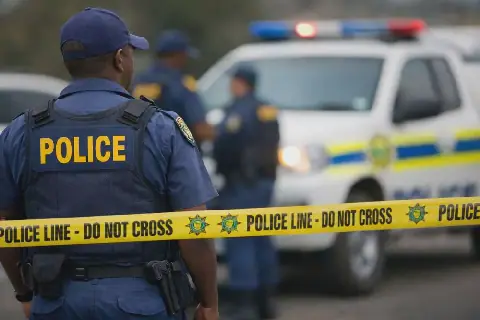
A tragic road accident occurred on October 4, 2026, in Makueni County, Kenya, claiming the lives of 17 Catholic pilgrims from St Matthias Mulumba Catholic Church in Mikindani, Mombasa. The pilgrims were traveling to Subukia in Nakuru County for Kenya's National Prayer Day. The accident happened shortly after midnight on the Nairobi-Mombasa Highway, specifically on the slope known as Mlima Kiu, near Salama.
According to reports, a lorry lost control after its brakes failed and rammed into several vehicles, including a 14-seater Toyota Hiace matatu carrying the pilgrims. The Archdiocese of Mombasa confirmed the deaths of the 17 pilgrims in a statement, expressing condolences to their families. The incident has sparked widespread grief, with President William Ruto, former Deputy President Rigathi Gachagua, and Archbishop Martin Kivuva Musonde's office issuing statements of condolence.
The accident site, Mlima Kiu, has a notorious history of fatal crashes, with residents accusing the Kenya National Highways Authority of failing to redesign or widen the stretch despite repeated accidents. The National Police Service lists the Salama-Sultan Hamud section as one of the Eastern Region's accident blackspots. In recent years, the hill has witnessed several deadly crashes, including one on April 1, 2024, that killed 10 people and another on February 21, 2026, that resulted in 5 fatalities.
The Catholic community in Mombasa has gathered for a prayer Mass in mourning, with the Archdiocese requesting prayers for the dead, their families, and the parish. The tragedy has highlighted the dangers faced by ordinary Kenyans, which are often mundane, preventable, and repeated. The incident has also raised questions about road safety, vehicle maintenance, and the regulation of pilgrimage transport.
To address the concerns, several key questions need to be answered, including whether the lorry involved was roadworthy, if the driver was licensed and rested, and what measures have been taken by KeNHA to improve the Salama gradient. Additionally, the organization of the pilgrimage and the licensing of the vehicle used for transport are also under scrutiny.
The African Mirror has identified several areas that require attention, including the need for runaway-truck escape ramps, speed enforcement, and dedicated lanes for slow heavy vehicles on the Salama climb. Furthermore, regulators and religious bodies are being urged to formalize safe transport standards for pilgrimages. An investigation into the crash is ongoing, and it is expected that official statements will provide more clarity on the circumstances surrounding the incident.
The impact of this tragedy on the Mombasa Catholic community cannot be overstated, with the parish at Mikindani being particularly affected. As the community mourns the loss of 17 of its members, there is a growing demand for accountability and action to prevent similar accidents in the future.
Key points
- The accident occurred on a notorious stretch of highway known as Mlima Kiu, which has a history of fatal crashes.
- The lorry involved in the crash reportedly lost control after its brakes failed.
- The incident has raised questions about road safety, vehicle maintenance, and the regulation of pilgrimage transport in Kenya.