The Central Bank of Kenya and National Treasury have published a Draft National Payment System Policy and National Payment System Bill, 2026, proposing a national framework to make payments more affordable, interoperable, and secure. The proposed system, a national instant payment switch, aims to connect banks, mobile-money platforms, and fintechs on one system. This could reduce the cost of moving money across different payment networks.
Kenya's current payment systems operate separately, with banks, mobile-money operators, and fintechs running their own platforms. The Central Bank of Kenya operates KEPSS, a real-time gross settlement system used for large-value interbank payments. The proposed switch would create a common layer for participating providers to exchange transactions, similar to India's UPI and Brazil's PIX. This would enable seamless transactions between different financial institutions.
The proposed system could make transactions cheaper, but it does not set a specific future fee for M-Pesa or bank transfers. The actual price consumers pay would depend on the final regulatory framework, participating providers, and pricing structures. The policy identifies high transaction costs and fragmented payment platforms as problems affecting Kenya's payments ecosystem.
The proposed interoperability would allow transactions to move directly between participating providers, reducing duplication and potentially lowering processing costs. For businesses, a more interoperable system could make it easier to accept payments, reconcile transactions, and build financial services across different platforms.
The proposal is not about replacing existing systems, but rather providing a broader framework for retail and instant payments while encouraging greater interoperability. The proposed National Payment System Bill would repeal and replace the existing National Payment System Act, creating a new legal framework covering competition, innovation, and consumer protection.
The proposal is still at the policy and legislative stage, and it is too early to say when Kenyans will see a new payment switch or exactly how much transactions will cost. The goal is to make digital payments cheaper and easier to use by connecting banks, mobile-money operators, and fintechs.
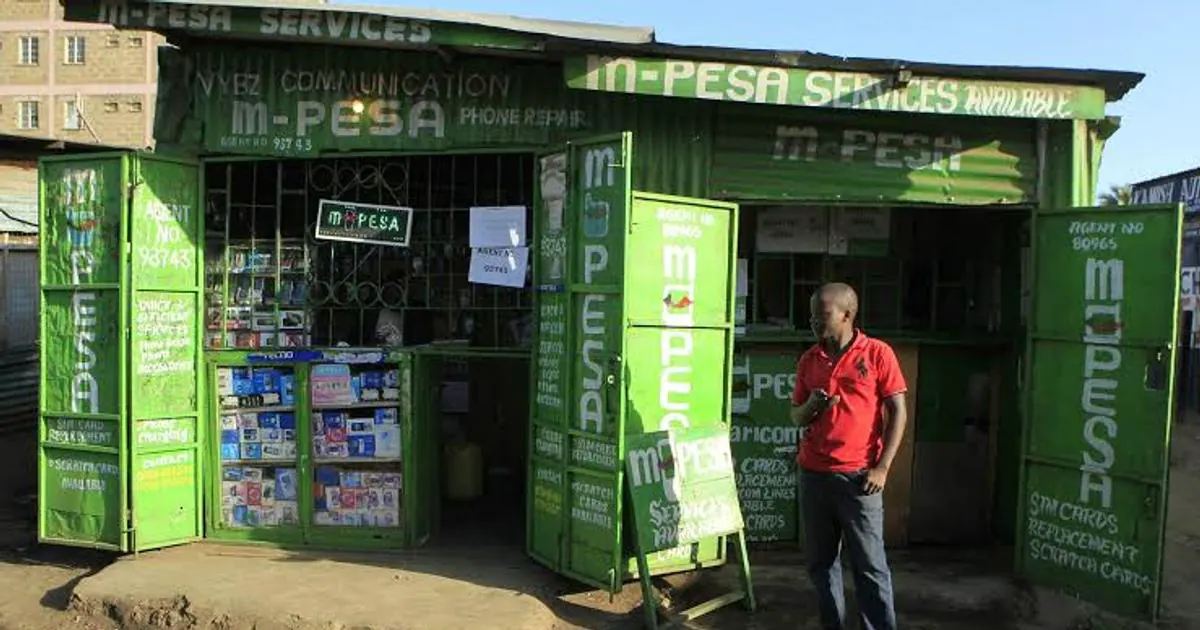
Kenya's mobile money market is significant, with services like M-Pesa, Airtel Money, and T-Cash allowing users to send and receive money, pay bills, and manage transactions directly from their mobile phones. The proposed national payment switch could potentially increase financial inclusion and make digital payments more accessible to Kenyans.
Key points
- The proposed national payment switch aims to reduce transaction costs and increase interoperability between banks, mobile-money platforms, and fintechs.
- The system would create a common layer for participating providers to exchange transactions, similar to India's UPI and Brazil's PIX.
- The proposal is still at the policy and legislative stage, and its implementation timeline is uncertain.