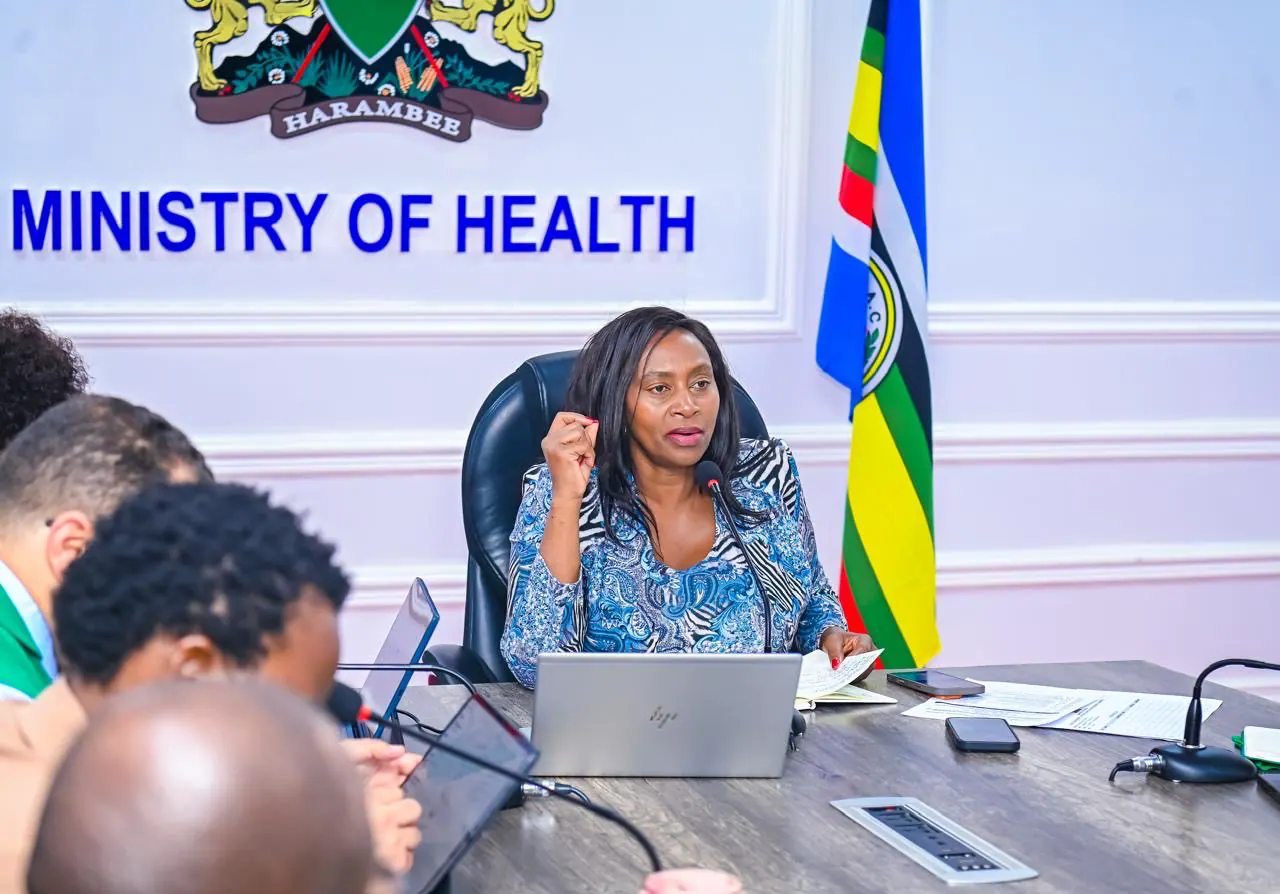
The Kenyan Ministry of Health has confirmed the country's first imported Ebola case, prompting immediate action to contain the spread of the virus. According to Public Health and Professional Standards Principal Secretary Mary Muthoni, the Ministry has intensified measures to manage the situation, with a focus on contact tracing, enhanced surveillance, and strengthening preparedness across the health system. The national response aims to prevent a surge in cases and ensure a timely response to any suspected cases.
At least 10 people have been quarantined, while 57 contacts are being traced following confirmation of the Ebola case. Muthoni warned that the numbers could rise as health officials continue tracing people identified as having come into contact with the patient or their relatives. The Ministry is working closely with county governments and faith-based health facilities to prepare for a possible surge in cases. This collaborative effort aims to ensure that the country is equipped to handle any potential increase in cases.
Health officials across the country have been activated to ensure a timely response to any suspected cases. Muthoni sought to allay public fears, saying Kenya is not experiencing an outbreak but is managing one imported case. She urged Kenyans to remain calm and vigilant and rely on information issued through official Ministry of Health channels as the national response is strengthened. The Ministry's efforts aim to prevent panic and ensure that the public is informed through official channels.
Health Director-General Dr. Patrick Amoth assured the country that adequate quarantine facilities are available, with makeshift facilities to be established where necessary. Surveillance has been heightened at 15 points of entry, while treatment centres are being activated at border points. The Ministry has also established a stakeholder meeting to hold regular briefings to assess the response and identify emerging gaps. Effective communication has been identified as key to keeping the public informed.
The Ministry's response is supported by international partners, including the World Bank, the United States Government, WHO, Africa CDC, IGAD, and pandemic financing mechanisms. These partnerships aim to enhance Kenya's preparedness efforts and provide necessary resources to manage the situation. The country is also working with neighbouring countries to ensure a coordinated response to the Ebola case.
Cabinet Secretary for Defence Aden Duale emphasized the importance of early detection, rapid diagnosis, timely isolation, appropriate treatment, and contact tracing in responding to the Ebola case. He urged Kenyans to remain vigilant, follow official public health guidance, and call the Ministry of Health's toll-free 719 line for information on Ebola and other health concerns. The line can also guide Kenyans abroad, including on referral or evacuation where required.
The Ministry of Health continues to work closely with various stakeholders to strengthen the national response to the Ebola case. With the support of international partners and the collaborative effort of county governments and faith-based health facilities, Kenya aims to effectively manage the situation and prevent a surge in cases. The Ministry urges Kenyans to remain calm and vigilant, and to rely on official Ministry of Health channels for information.
Key points
- 10 people have been quarantined and 57 contacts traced following confirmation of Kenya's first imported Ebola case.
- The Ministry of Health is working closely with county governments and faith-based health facilities to prepare for a possible surge in cases.
- International partners, including the World Bank and WHO, are supporting Kenya's preparedness efforts.