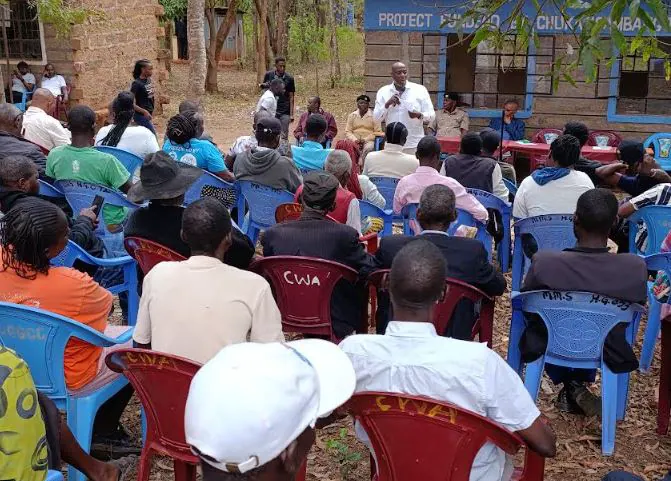
Tobacco farmers in Tharaka-Nithi County, Kenya, recently shared their views on proposed changes to the country's tobacco-control law during a public participation forum. The National Assembly Departmental Committee on Health led the forum, which focused on the Tobacco Control (Amendment) Bill, 2024. The bill aims to regulate emerging nicotine products made using synthetic nicotine. The forum provided an opportunity for farmers to express their concerns and opinions on provisions related to tobacco production, packaging, and licensing.
Nyeri Town MP Duncan Maina Mathenge led the parliamentary team and addressed concerns that some farmers had been misinformed about the proposed amendments. He clarified that the bill was not intended to stop tobacco farming but to introduce controls on new products, some of which are synthetic and not made from natural tobacco. Mathenge explained that the existing law does not cover these products because they were not on the market when the law was enacted. The committee has received substantial views from the public on licensing and standards.
Chuka/Igambang'ombe MP Patrick Munene, Vice-Chairperson of the National Assembly Departmental Committee on Health, emphasized that the proposed amendments would protect tobacco farmers from synthetic nicotine products manufactured in laboratories. Munene noted that these products compete with locally grown tobacco, affecting the market and livelihoods of farmers. He encouraged tobacco farmers to form cooperatives to strengthen their bargaining power and benefit more from tobacco farming. Munene also supported measures to regulate products not made from natural tobacco.
The proposed Tobacco Control (Amendment) Bill, 2024, seeks to expand Kenya's tobacco-control framework to cover emerging nicotine products. These products include electronic nicotine delivery systems, e-hookahs, and nicotine pouches. The bill proposes measures on nicotine content, packaging, and health warnings, as well as restrictions on the sale of tobacco and nicotine products to persons below 18 years. It also proposes restrictions on digital advertising and the use of tobacco and nicotine products in places where food and beverages are prepared, served, or consumed.
Tobacco farmer Erastus Kinyua Mbogori expressed concerns about certain sections of the bill, particularly those related to packaging and licensing requirements. He noted that farmers traditionally use dried banana leaves in handling tobacco and requested clarity on whether they could continue using their normal packaging methods. Mbogori also expressed concerns about the proposed licensing requirements, fearing they could come with additional obligations, including taxation. PERAK Caucus chairperson Nicholas Mutua echoed these concerns, particularly regarding the proposed licensing provisions.
The Tharaka-Nithi forum was part of the National Assembly Departmental Committee on Health's nationwide public participation process on the proposed amendments. Moyale MP Prof. Guyo Waqo Jaldesa was also present during the forum. The committee aims to address tobacco-related waste and pollution through the proposed bill. By engaging with stakeholders, the committee seeks to ensure that the regulations are clear and workable for businesses dealing with tobacco products.
The regulation of synthetic nicotine products is crucial for Kenya's tobacco industry, which is a significant economic activity and source of income for residents in Tharaka-Nithi County. The proposed bill has sparked discussions among stakeholders, with some recommending a ban on synthetic nicotine products. The committee will consider these views as it refines the bill, which aims to balance the regulation of emerging nicotine products with the need to protect the livelihoods of tobacco farmers.
Key points
- The Kenyan parliament is considering a bill to regulate emerging nicotine products made using synthetic nicotine.
- The proposed bill aims to protect tobacco farmers from competition with synthetic nicotine products manufactured in laboratories.
- The bill seeks to expand Kenya's tobacco-control framework to cover electronic nicotine delivery systems, e-hookahs, and nicotine pouches.