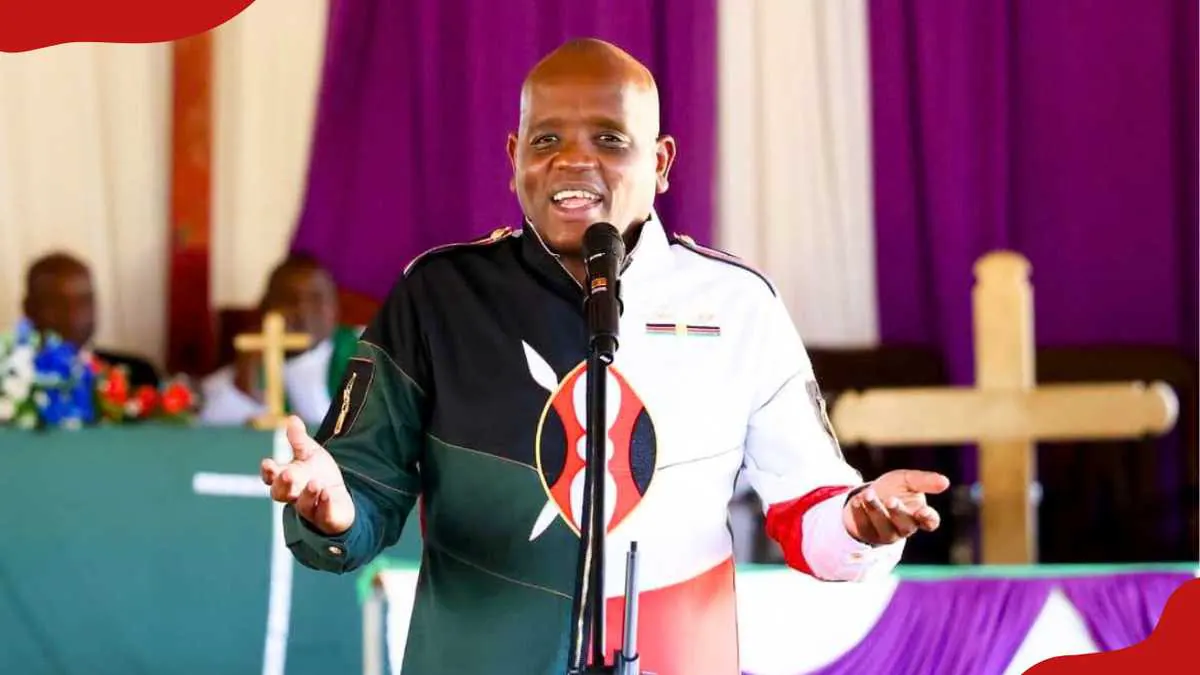
Kenya's government has defended its decision to partner with social media influencers to promote its achievements, with Dennis Itumbi, head of Creative Economy and Special Projects in the Executive Office of the President, arguing that engaging social media personalities is part of modern political communication. This move has sparked debate among Kenyans, with some questioning whether the creators are being paid by the government. Itumbi made the remarks in response to a Citizen TV discussion featuring content creators Eric Omondi, GK Sirkal, and Abel Mutua.
The debate over the use of influencers in government communication comes amid increased visibility of Kenyan influencers showcasing government projects across the country. Some Kenyans have questioned whether the creators are being paid by the government, while others have defended their right to work with the state. Influencers such as comedians have visited different parts of the country, showcasing developments ranging from affordable housing and markets to roads and other infrastructure.
Itumbi argued that influencer endorsements have become part of politics, drawing comparisons with established media organisations in developed economies. He stated that there is nothing wrong with the government reaching out to influencers to tell its story, describing the practice as a global standard. According to Itumbi, "influencer endorsement in a branch of politics" is similar to major news outlets endorsing a presidential candidate in developed economies.
The government's National Communication Strategy proposed spending at least KSh 100 million annually on social media influencers and bloggers to promote government policies, programmes, and development projects. The strategy proposed engaging 52 influencers, comprising 20 macro-influencers and 32 micro-influencers. This move has raised questions over the use of public funds to engage influencers.
A Reuters Institute October 2025 report noted that Kenya's government has an active digital strategy that includes working with influencers to disseminate public information and talking points. The report highlighted the government's efforts to engage with citizens through social media platforms. The use of influencers in government communication has become a growing trend in Kenya.
Some influencers have defended their right to work with the government, with Abel Mutua arguing that Kenyans should make their own political decisions rather than allowing celebrities to determine their views. Mutua stated that influencers have the freedom to support or work with the government. The debate over the use of influencers in politics is expected to continue.
The partnership between the government and influencers has raised questions over transparency and accountability. While some have defended the use of influencers in government communication, others have raised concerns over the use of public funds. The government's decision to engage with influencers is likely to continue, with Itumbi stating that it is a global standard.
Key points
- The Kenyan government has partnered with social media influencers to promote its achievements, sparking debate over the use of celebrities in politics.
- The government has proposed spending at least KSh 100 million annually on social media influencers and bloggers to promote government policies and programmes.
- The use of influencers in government communication has raised questions over transparency and accountability.