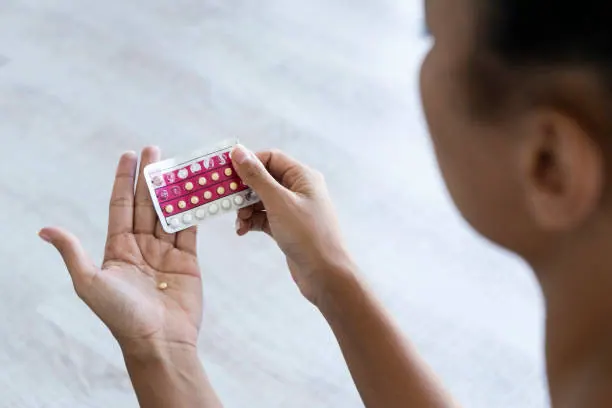
Kenya is currently facing a shortage of two types of oral contraceptive pills, namely combined oral contraceptives (COCs) and progestin-only pills (POPs). According to Veronica Sande, Customer Service Officer and Family Planning Team Lead at the Kenya Medical Supplies Authority (KEMSA), the country is stocked out of these essential contraceptives. However, other family planning methods such as injectable contraceptives, male and female condoms, implants, and intrauterine devices are readily available.
The shortage of oral contraceptive pills comes as Kenya seeks to reduce its reliance on donor funding for family planning commodities. The Ministry of Health has allocated Sh500 million for family planning in the current financial year, but this falls short of the estimated annual requirement of about Sh3 billion. This leaves a significant gap of Sh2.5 billion between the stated annual requirement and the amount allocated by the Treasury.
KEMSA has assured that new supplies of COCs are expected in December, following an allocation of Sh250 million from the Ministry of Health for procurement. The procurement process for COCs is ongoing, and the commodities are expected to be delivered in December. Additionally, POPs are already in the pipeline, and their availability is expected to be restored soon.
The Ministry of Health is pushing for increased domestic financing for family planning commodities, as donor funding continues to decline. The ministry is also exploring ways of making contraceptive commodities available through both public and private-sector outlets. This includes working with community pharmacies and other private-sector providers to expand access to contraceptive services.
Kenya's modern contraceptive use rate currently stands at about 57 per cent, with a target of 64 per cent by 2030. Health officials have emphasized the importance of maintaining reliable supplies of different contraceptive methods to ensure that women and couples can choose methods that suit their needs.
The shortage of oral contraceptive pills highlights the challenges faced by Kenya's family planning program. Despite progress in increasing access to contraceptive services, the country still faces significant gaps in terms of funding and availability of commodities. Efforts to increase domestic financing and expand access to contraceptive services are critical to achieving the country's family planning goals.
The Kenya Medical Supplies Authority (KEMSA) plays a critical role in ensuring the availability of family planning commodities in the country. As the main supplier of contraceptives, KEMSA's efforts to procure and distribute commodities are essential to meeting the country's family planning needs. The authority's assurance of new supplies of COCs and POPs is a positive step towards addressing the current shortage.
Key points
- The country is working to increase domestic financing for family planning commodities.
- New supplies of COCs are expected in December.
- Kenya's modern contraceptive use rate currently stands at about 57 per cent.