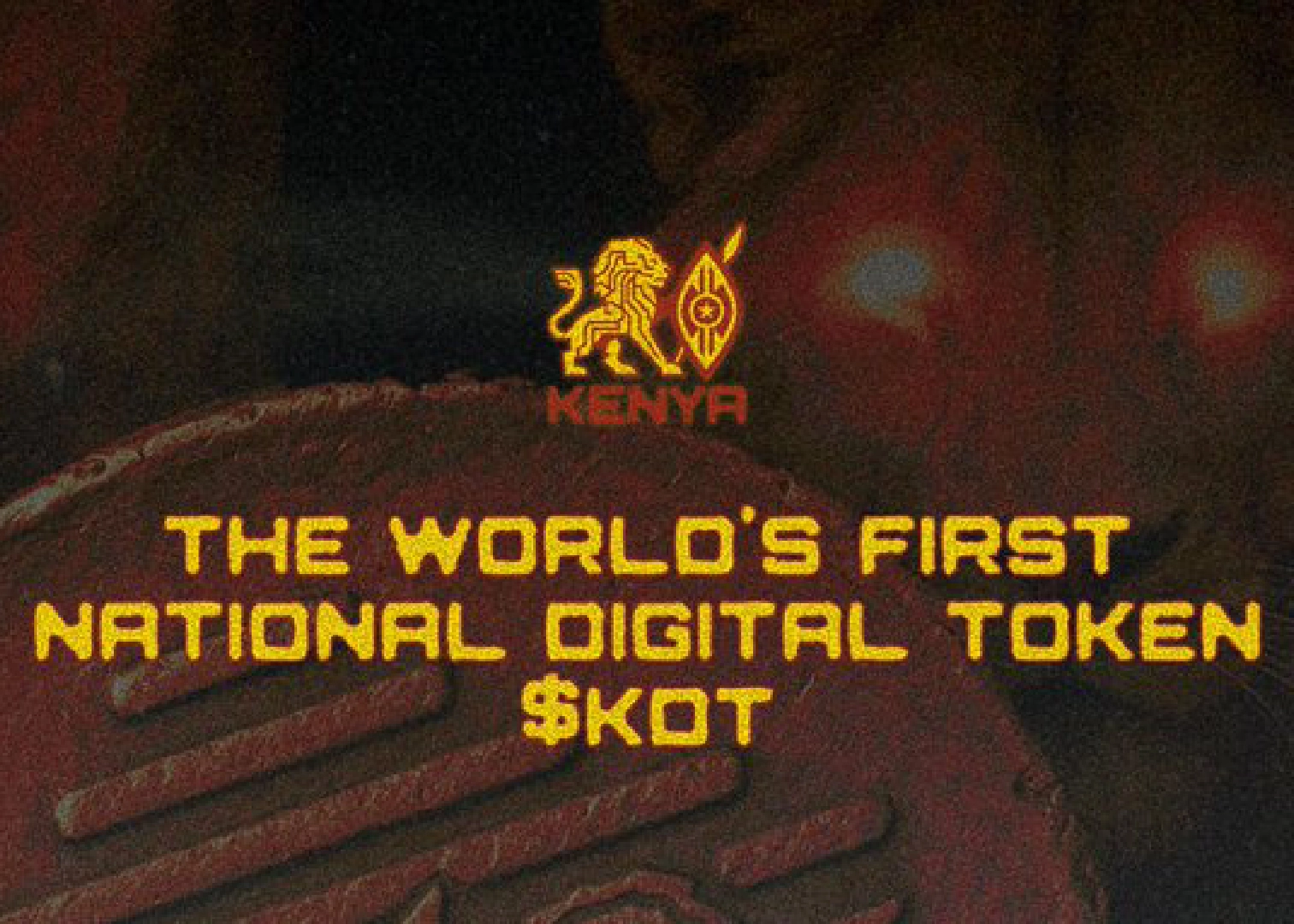
The Kenya Digital Token (KDT), launched in July 2025, has drawn attention to its claims of supporting national identity, youth empowerment, and financial inclusion. Running on the Solana blockchain, KDT's messaging closely aligns with Kenya's digital economy ambitions. Although not a government-issued asset, KDT received a boost when William Kabogo, Cabinet Secretary for ICT and the Digital Economy, publicly promoted the project on X, highlighting its potential to support growth in the digital economy.
KDT has faced questions about its supply control and liquidity. De.Fi's contract scanner gives KDT a Safety Score of 47 out of 100 and a De.Fi Score of 46%. It flags high-risk issues, including a lack of liquidity and dump risk due to a private wallet controlling a significant share of the total supply. This has raised concerns about the token's credibility and potential risks.
A monitoring list tracks public figures connected to cryptocurrency projects, including Kabogo's X account linked to KDT. This pattern of tracking has become common as token launches increasingly rely on recognizable names for early attention and legitimacy. Kabogo's endorsement reinforced the association, welcoming KDT as a bold step by the private sector to expand the digital economy.
A similar pattern played out with Argentina's president Javier Milei promoting a token called $LIBRA in February 2025. Its market cap peaked at $4.56 billion before collapsing over 94% after developers withdrew roughly $100 million in liquidity. This comparison highlights the risks associated with high-profile endorsements and concentration risk.
Blockchain analytics firm Bubblemaps reported that roughly 150 connected wallets held 20% of KDT's total supply shortly after launch, valued at approximately $60 million. This concentration of influence over price and liquidity raises concerns. Solflare's risk page flags KDT as unverified on Solana's token registry and extremely illiquid.
Solflare's risk page also notes that a large share of KDT's liquidity provider tokens are unlocked, meaning liquidity could be withdrawn without warning. The page indicates that 98.99% of the supply is controlled by the 20 largest wallets. However, circulating-supply numbers are inconsistent, making it difficult to determine KDT's actual worth.
The Virtual Asset Service Providers Act took effect in November 2025, but no virtual asset service provider has been licensed to operate in Kenya yet. This means no regulatory body has reviewed or signed off on KDT. While KDT may not be a proven scam, its wallet concentration and liquidity conditions suggest a possible rug pull, calling for caution.
Key points
- - KDT's concentrated wallet ownership and thin liquidity raise concerns about its credibility and potential risks. - The token's high-profile endorsement by William Kabogo has generated attention and legitimacy. - KDT's unverified status on Solana's token registry and extremely illiquid conditions add to the concerns.