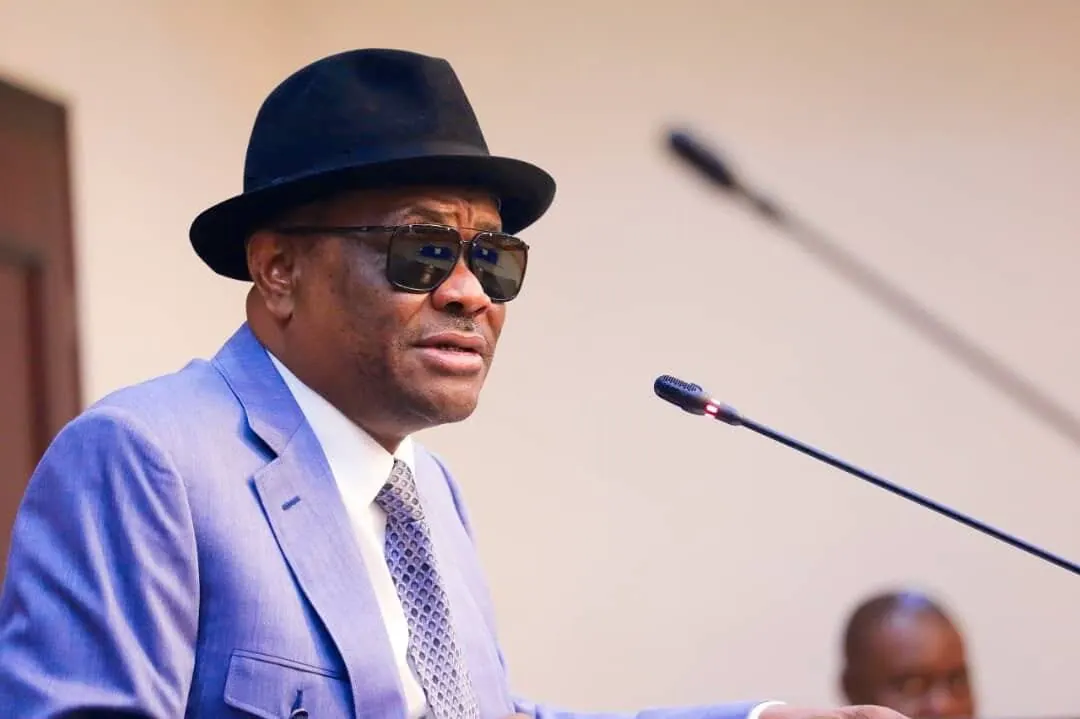
In a recent statement, Wike clarified that his comments on TVC's Journalists' Hangout about his G5 group of governors allowing Obi to win in the South-South were misinterpreted. He emphasized that their strategy was aimed at neutralizing political threats, not manipulating votes. Wike's remarks were in response to criticism from opposition figures and critics who saw his comments as an admission of voter manipulation.
Wike questioned the feasibility of single-handedly dictating outcomes across thousands of polling units, dismissing suggestions of individual manipulation. He cited the vast voting infrastructure in Nigeria, with approximately 176,000 polling units, making it impossible for one person to alter results. Wike also noted that social media projections do not reflect the realities of Nigeria's voting infrastructure.
According to Wike, the G5 coalition identified Atiku Abubakar as the primary threat in the South-South, a traditional stronghold of the Peoples Democratic Party (PDP). To counter Atiku's influence, the group strategically routed votes to Obi in specific areas to split the opposition base and suppress Atiku's margin. Wike explained that their goal was to deny Atiku votes by supporting Obi's candidacy in certain regions.
Wike dismissed Obi's national surge as largely cosmetic, driven by social media popularity rather than grassroots support. He argued that rigging an election without genuine popularity is impossible, as people would resist such attempts. Wike emphasized the importance of focusing on electoral mechanics and verified facts rather than online commentary.
The Minister noted that opposition parties, including Obi's Labour Party, failed to substantiate claims of rigging at the tribunal. Wike expressed confidence in the electoral process, stating that the results were a product of calculated strategy rather than manipulation. He urged analysts and the public to rely on verified information rather than speculation.
Wike's comments have sparked further debate about the 2023 presidential election and the role of social media in shaping public opinion. The Minister's clarification aims to alleviate concerns about the legitimacy of the election results. As Nigeria continues to navigate its democratic landscape, Wike's statements highlight the complexities of electoral strategy and the importance of fact-based analysis.
The controversy surrounding Wike's comments highlights the ongoing challenges of ensuring transparency and trust in Nigeria's electoral process. As the country moves forward, it is essential to prioritize fact-based discussions and verified information to promote a deeper understanding of the electoral landscape.
Key points
- Wike denies allegations of rigging the 2023 presidential election against Obi.
- The Minister explains that his G5 group strategically supported Obi to counter Atiku's influence in the South-South.
- Wike emphasizes the importance of focusing on electoral mechanics and verified facts rather than online commentary.