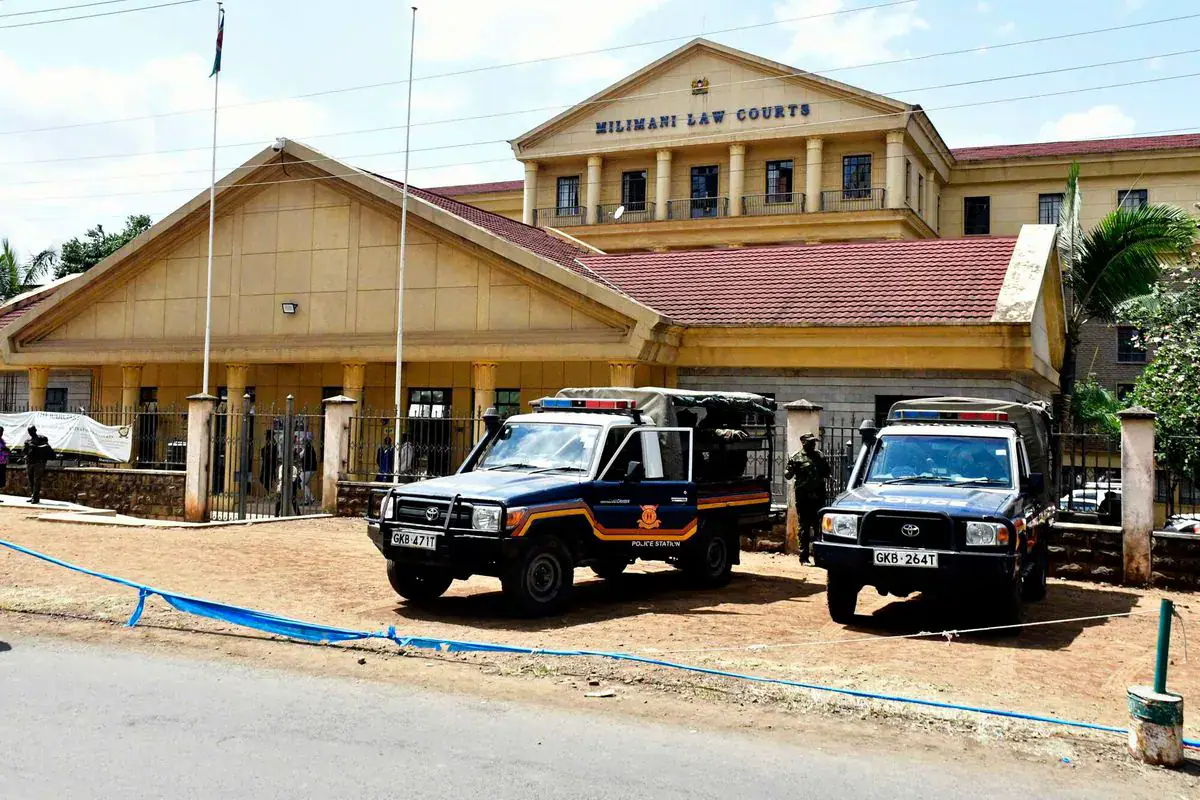
The Kenya Defence Forces (KDF) has suffered a setback in its attempt to challenge a Sh25 million compensation award to a former soldier at the Supreme Court. The Court of Appeal in Kakamega dismissed an application by the Chief of Kenya Defence Forces and the Attorney-General, ruling that they had failed to demonstrate that the dispute raised issues of general public importance warranting the Supreme Court's intervention. This decision, delivered on October 23, 2026, means the two applicants cannot proceed with their intended appeal.
The case stems from disciplinary proceedings taken against Moses Etyang during his employment in the military. The dispute later moved to court, where the legality of the disciplinary process and the treatment he received became central issues. In a judgment delivered on July 31, 2025, the Court of Appeal partially allowed the military's earlier appeal, reducing the damages awarded to Mr Etyang by the High Court from Sh30 million to Sh25 million. The Chief of Kenya Defence Forces and the Attorney-General sought permission to take the matter to the Supreme Court, arguing that it raised important legal and constitutional questions.
A three-judge bench comprising Justices Pauline Nyamweya, Ali-Aroni, and Rachel Ngetich ruled that the applicants had not shown that their dispute went beyond the circumstances of the former soldier's case. The judges said the applicants needed to demonstrate that resolving the questions would have a wider impact on the public interest, rather than merely settle disagreements arising from the employment dispute. They also rejected the argument that the case required the Supreme Court to clarify uncertainty in the law.
The applicants had argued that the intended appeal raised issues extending beyond Mr Etyang's individual circumstances. They wanted the Supreme Court to address questions such as whether an accused person must undergo a mental assessment before criminal or quasi-criminal proceedings are conducted. They also sought clarification on whether the Constitution requires every accused person to have legal representation in criminal or quasi-criminal proceedings.
The judges, however, found that raising these questions was not enough to secure a hearing before the Supreme Court. They noted that the case arose directly from Mr Etyang's employment in the military and the disciplinary action taken against him. The judges were not persuaded that the involvement of a public institution, or the reference to constitutional provisions, automatically made the matter one of general public importance.
Mr Etyang's father, Julius Etyang, opposed the application through an affidavit, stating that his son suffers from a severe intellectual disability and an autism-spectrum condition attributed to injuries sustained during his military service in Somalia. He argued that the dispute concerned the military's failure to follow the requirements of sections 151 and 152 of the Kenya Defence Forces Act when handling the disciplinary proceedings.
The judges dismissed the motion dated February 13, 2026, and ordered the applicants to pay the costs to Mr Etyang. The litigation had continued since 2021, leaving Mr Etyang facing emotional distress, anxiety, and psychological instability while being unable to enjoy the benefit of the court judgment. The Court of Appeal's decision brings an end to the dispute, which had imposed further psychological and financial strain on Mr Etyang.
Key points
- The Court of Appeal rejected the KDF's request to challenge a Sh25 million compensation award to a former soldier at the Supreme Court.
- The applicants failed to demonstrate that the dispute raised issues of general public importance warranting the Supreme Court's intervention.
- The case concerned disciplinary proceedings taken against Moses Etyang during his employment in the military.