The Kenyan government has confirmed the country's first imported case of Bundibugyo Ebola virus disease. The Ministry of Health reported that a Kenyan citizen, who had lived in the Democratic Republic of Congo for seven years, tested positive for the disease after traveling to Kenya. The patient had been treated at several hospitals in the DRC before traveling to Uganda and then boarding a flight to Nairobi. Upon arrival, the patient underwent routine public health screening and was later isolated at Nairobi Hospital after presenting with symptoms.
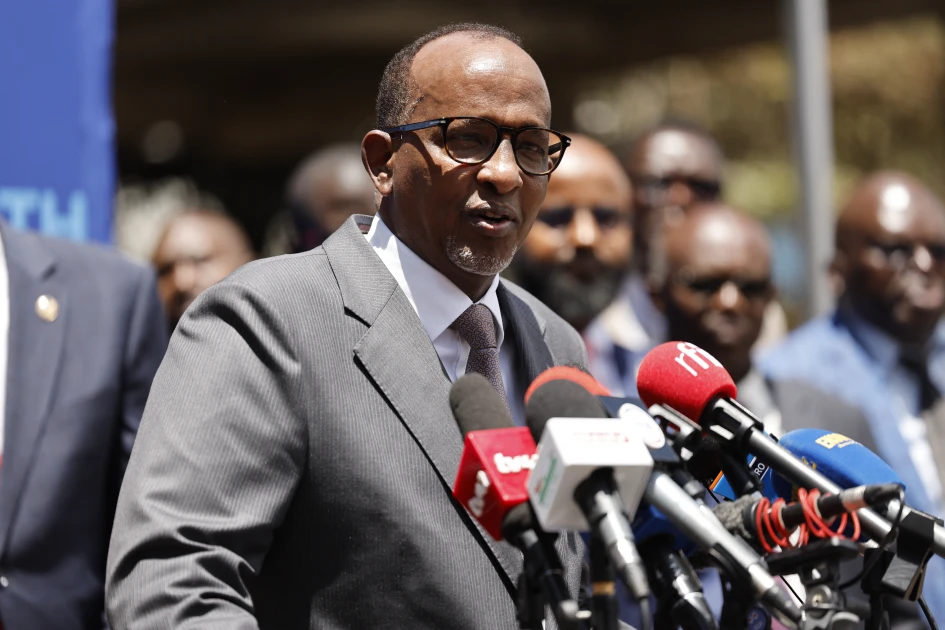
Health Cabinet Secretary Aden Duale has urged the public not to panic, assuring that all systems are in place to mitigate the spread of the disease. The Ministry has advised Kenyans to frequently wash their hands, use alcohol-based hand sanitizers, and avoid close contact with sick people arriving from countries reporting active transmission of Ebola. Members of the public have also been advised to seek treatment at recognized health facilities when unwell and report suspected cases to the nearest health facility.
The patient, who later died despite receiving supportive treatment, had been in contact with 28 people, including family members and healthcare workers. The government is tracing 23 passengers and four crew members who were aboard the same flight as the patient, with quarantine arrangements prepared for those considered at risk. The Ministry has screened 652,584 travelers as of October 6 and tested 267 samples across five laboratories, with only one returning positive.
The Ministry has taken measures to enhance surveillance, including deploying two mobile laboratories at the Busia border and Lwakhakha border. Health workers have been advised to maintain the highest infection prevention and control measures regardless of the conditions they are treating. The World Health Organization has been notified of the case in accordance with International Health Regulations.
The government has trained 4,971 healthcare workers at national and county levels on Ebola prevention and management. The Ministry has also urged Kenyans to obtain updates through its official platforms and the toll-free line 719. The government has assured the public that it will continue providing information as it becomes available.
The confirmation of the Ebola case has raised concerns about the potential spread of the disease in Kenya. However, the government has assured the public that it has put in place measures to contain the spread of the disease. The Ministry has emphasized the importance of public cooperation in preventing the spread of Ebola.
The Kenyan government is working closely with international health organizations to monitor the situation and respond to any potential outbreaks. The Ministry will continue to provide updates and information to the public as the situation develops.
Key points
- The Kenyan government has confirmed the country's first imported case of Bundibugyo Ebola virus disease and has put in place measures to contain the spread of the disease.
- The Ministry has advised Kenyans to take precautions to prevent the spread of Ebola, including frequent hand-washing and avoiding close contact with sick people.
- The government has trained healthcare workers on Ebola prevention and management and has deployed mobile laboratories to enhance surveillance.