Kenya has confirmed its first imported case of Ebola after a Kenyan citizen, who had been living in the Democratic Republic of Congo for seven years, died in Nairobi. The patient had been experiencing symptoms for about a month before travelling from the DRC to Kampala, Uganda, and then boarding a Jambo Jet flight to Nairobi, arriving on October 3. Upon arrival, the patient was taken to Nairobi Hospital, where he was isolated and assessed.
The patient developed symptoms including fever, chills, fatigue, muscle pain, painful swallowing, sore throat, and bleeding under the skin, and was later transferred to the hospital's East Wing Isolation Facility. A sample collected from the patient was confirmed as positive for Bundibugyo Ebola Virus Disease by Kenya's National Virology Reference Laboratory and the Kenya Medical Research Institute. Despite receiving supportive treatment, the patient later died.
Kenyan authorities have identified 28 contacts, including family members and healthcare workers who attended to the patient, and are tracing 23 passengers and four crew members who travelled on the same flight from Uganda to Nairobi. Quarantine arrangements are being made for people considered to be at risk. The Ministry of Health said that, as of October 6, more than 652,000 travellers had been screened and 267 samples tested across five laboratories.
The wider outbreak in the DRC is being caused by the Bundibugyo species of Ebola, with more than 8,000 cases and 4,000 deaths reported in the country. This makes the current outbreak the largest in the DRC's history. Kenya had been on heightened alert for Ebola since the outbreak began in the DRC in May, with nearly 5,000 health workers receiving training in Ebola prevention and management.
Kenya's Health Cabinet Secretary, Aden Duale, has urged the public not to panic, saying measures are in place to respond to the case. He advised people to maintain hand hygiene, avoid close contact with people who are sick, and seek medical attention when unwell. The Ministry said arrangements were being made for a safe and dignified burial in line with Ebola burial protocols.
The Kenyan authorities have notified the World Health Organisation and are continuing surveillance and contact tracing to prevent further transmission of the virus. The Ministry of Health is working to prevent the spread of the disease, with a focus on early detection and response. The government has assured the public that it is taking all necessary measures to contain the outbreak.
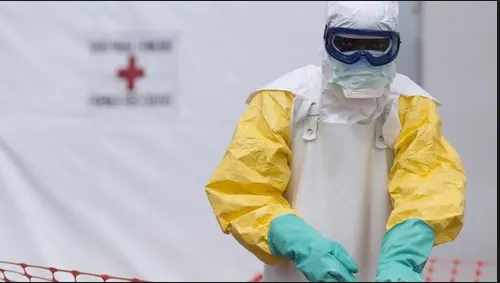
The confirmation of the first Ebola case in Kenya comes as the country continues to enhance its preparedness and response efforts. The Ministry of Health is working closely with international partners to strengthen its response to the outbreak. Key efforts include enhanced screening at airports and other entry points, as well as public awareness campaigns to educate people on the risks of Ebola and how to prevent its spread.
Key points
- Kenya confirms first imported Ebola case, a Kenyan citizen who had been living in DRC.
- Patient developed symptoms including fever, chills, and bleeding under the skin before dying in Nairobi.
- Kenyan authorities identify 28 contacts and trace 23 passengers and four crew members who travelled on the same flight.