Kenya's Ministry of Health confirmed its first case of Ebola, specifically the Bundibugyo type, on October 7, 2026. The patient, a Kenyan citizen, had recently traveled from the Democratic Republic of Congo (DRC) where they had been living for seven years. The individual had fallen ill about a month prior to their travel and had been treated in several hospitals in DRC.
The patient had traveled by road from DRC to Kampala, Uganda, before boarding a Jambojet flight, numbered 8523, to Nairobi. Upon arrival at Jomo Kenyatta International Airport (JKIA) on October 3, the patient underwent routine health checks at the airport's health facility before proceeding through immigration procedures. They were then driven to a hospital in Nairobi by relatives and friends.
Upon admission to the hospital, the patient exhibited symptoms including fever, chills, fatigue, weakness, muscle pain, and bleeding under the skin. Medical professionals suspected a viral hemorrhagic fever due to the patient's symptoms and travel history. Samples were taken and tested at the National Virus Laboratory and the Kenya Medical Research Institute (KEMRI), confirming the presence of Ebola.
Despite receiving treatment, the patient succumbed to the disease. The Ministry of Health has identified 28 individuals who had come into contact with the patient, including family members and healthcare workers. These individuals are being monitored, and plans are underway to quarantine those at high risk. The Ministry has also been tracking 23 passengers and four crew members who were on the same flight as the patient.
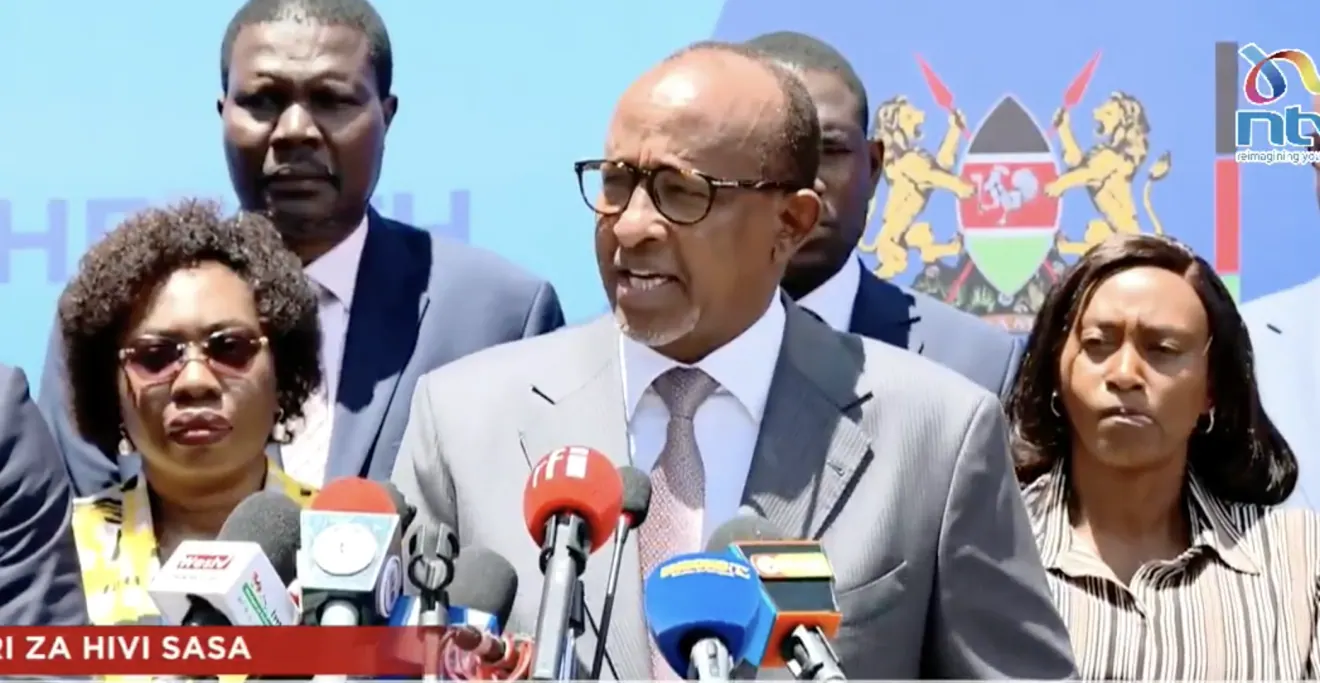
Health Minister Aden Duale emphasized that Kenya has been on high alert since the Ebola outbreak began in May 2026. The Ministry has screened 652,584 travelers and examined 267 samples in five laboratories. Additionally, 4,971 healthcare workers have received training on Ebola prevention and control. The Ministry has urged Kenyans not to panic, assuring that all necessary measures are in place to prevent the spread of the disease.
The Ministry of Health has heightened its surveillance and preparedness measures. These include enhanced screening at ports of entry, improved infection prevention and control measures in healthcare facilities, and public awareness campaigns. The public is advised to frequently wash their hands, use hand sanitizers, and avoid close contact with individuals suspected of having Ebola.
The government has established protocols for the safe burial of the patient, in line with international guidelines for Ebola victims. The Ministry continues to monitor the situation closely and has urged the public to remain vigilant and report any suspected cases. Citizens can access information through official Ministry channels or by calling a toll-free line.
Key points
- The patient had traveled from DRC to Kampala, Uganda, before flying to Nairobi, where they were diagnosed with Ebola.
- The Ministry of Health has identified and is monitoring 28 individuals who came into contact with the patient.
- Kenya has heightened its surveillance and preparedness measures to prevent the spread of Ebola.