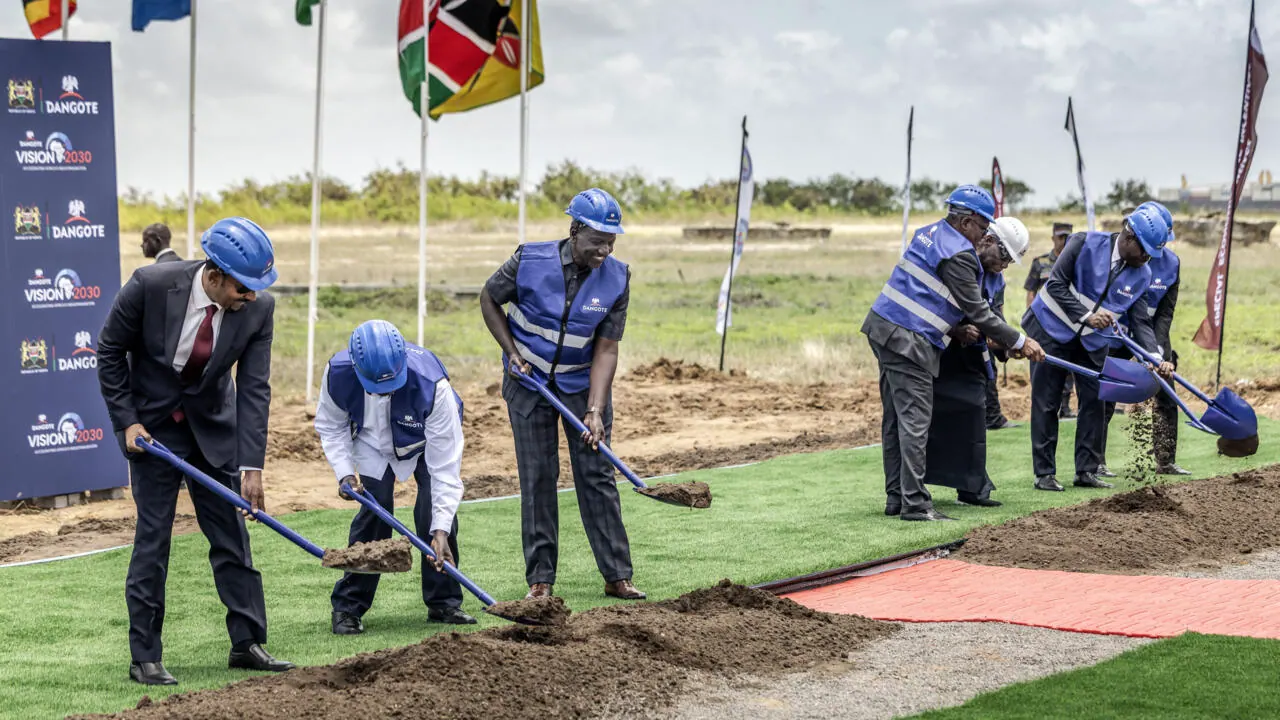
East Africa is taking a significant step towards energy independence with the commencement of a new $16 billion refinery in Kenya. The project, led by Nigerian billionaire Aliko Dangote, aims to reduce the region's reliance on imported refined oil products. At a groundbreaking ceremony in Lamu, Dangote joined Kenyan President William Ruto and other African leaders to mark the start of construction on the Dangote East Africa Petroleum Refinery. The facility is expected to process 700,000 barrels of crude oil per day.
The refinery will produce petrol, diesel, and jet fuel for Kenya and the wider East African market. Dangote highlighted the irony of Africa, a major oil producer, having to import refined oil products. The continent produced about 6.8 million barrels of crude oil daily in 2024, yet refining capabilities remain limited. Dangote believes increased refining could make Africa largely fuel self-sufficient by 2030. This project is seen as a significant step towards achieving that goal.
However, the project raises concerns about Kenya's current ability to support such a large operation. Victor Abuso from RFI's Kiswahili service suggests that the country's inadequate oil production may pose a challenge. Initially, the refinery will import crude from regions like the Middle East before gradually sourcing from local producers as output increases. The complex will also include a 1,000-megawatt power facility designed to provide electricity for the refinery and feed surplus power into the national grid.
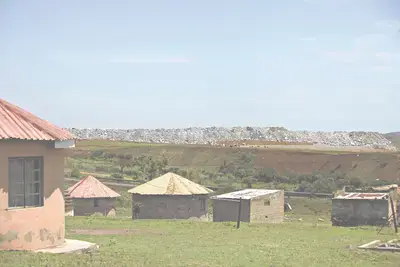
Environmental and social concerns have been raised about the project. Lamu, which is home to a UNESCO World Heritage site, faces potential risks from pollution and oil spills that could harm local fishing and tourism businesses. Furthermore, land rights are contentious, with local residents filing legal claims to protect their ancestral properties from being developed without proper consultation. A court allowed the groundbreaking to proceed, but a hearing regarding the residents' concerns is set for 14 October.
The refinery's location also raises security issues, as Lamu is near the border with Somalia, a region affected by terrorist activities. Reports indicate that Kenya may need to increase military presence in the area to ensure the safety of the refinery and its surroundings. President Ruto has assured that land and environmental matters will be handled lawfully and fairly. The project's impact on the local community and the environment will be closely monitored.
The Dangote East Africa Petroleum Refinery is expected to have a significant impact on Kenya's economy and energy sector. Once operational, the facility will create jobs and stimulate economic growth in the region. The project is also seen as a strategic move to reduce Kenya's reliance on imported fuels and improve the country's energy security. The refinery's success will depend on various factors, including the availability of crude oil and the implementation of environmental and social safeguards.
As the project moves forward, stakeholders will be watching closely to ensure that the refinery is developed in a responsible and sustainable manner. The Kenyan government has assured that the project will be implemented in accordance with international best practices and environmental standards. With proper planning and execution, the Dangote East Africa Petroleum Refinery can be a game-changer for Kenya's energy sector and a model for sustainable development in Africa.
Key points
- The refinery will process 700,000 barrels of crude oil per day.
- The project raises concerns about environmental and social impacts.
- The refinery's location near the border with Somalia raises security concerns.