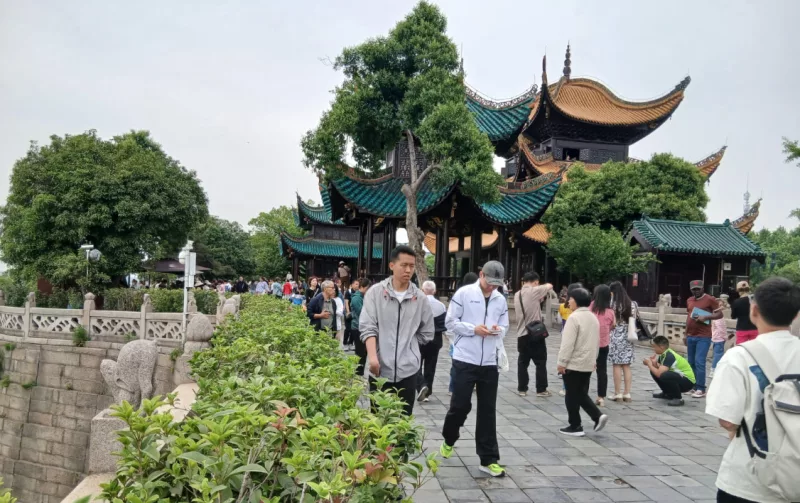
A recent visit to China and interactions with some residents gave the writer a feeling of a patriotic people who feel like they own their country. At a seminar, speakers spoke with passion about their country, culture, growth, future, and government, evoking a sense of national ownership. This got the writer thinking about Kenya and the phrase "Kenya iko na wenyewe" (the country has its owners), and whether Kenyans truly feel a sense of ownership.
The writer notes that Kenyans seem unhappy and angry due to years of unfulfilled pledges, empty promises, and plunder of public resources, leading to trust issues and a pessimistic citizenry. Some argue that Kenyans are to blame for blocking development projects, but the writer counters that successive leaderships have eroded trust, making citizens cautious. Scandals of graft and public funds misuse have also contributed to Kenyans' unwillingness to support development projects.
The writer cites examples of abandoned or incomplete projects, such as the Arror and Kimwarer dam, which left taxpayers with billions in loans to repay. In contrast, efficient systems that work can invoke a sense of pride, productivity, and growth. For instance, a reliable transport system can create a better work-life balance and happier citizens. The writer wonders if China's sense of ownership stems from its effective systems and preservation of culture.
The writer notes that Kenyans seem to be pulling apart, with a focus on individual interests rather than collective growth. This can lead to cartels and corrupt practices, as seen in the water sector, where cartels prefer to supply water in bowsers rather than through taps. The writer questions whether it's possible to build a sense of ownership in Kenya, which would encourage citizens to work towards the country's development.
The writer suggests that Kenyans can start by making wise decisions in the upcoming elections, choosing leaders with a vision and a track record of integrity. Public participation should be genuine, with citizens' views taken into account. By working together and putting the country first, Kenyans can unlock their potential and achieve growth. The writer notes that Kenya has many opportunities to work with development partners and is a gateway to East Africa.
The writer emphasizes the importance of individual contributions to the country's growth, such as conserving the environment and adhering to the law. By working collectively, Kenyans can build a brighter future. The writer concludes that Kenya is a beautiful country with a resilient citizenry and much potential, but it requires a collective effort to achieve growth and development.
As Kenya heads to the polls, the writer urges citizens to prioritize the country's interests and choose leaders who will work towards its development. By adopting a sense of national ownership, Kenyans can work together to build a better future. The writer's reflections on China's sense of national ownership serve as a reminder of the importance of collective effort and responsible leadership.
Key points
- Kenyans can learn from China's sense of national ownership and adopt a similar approach to foster growth and development.