A Chinese grain enterprise, Aiju Group, has been instrumental in building an agricultural partnership between China and Kazakhstan that offers valuable lessons for Kenya. The partnership began with a packet of dried noodles bought from a supermarket in Almaty, Kazakhstan, in May 2015. Impressed by the noodles' quality, Aiju Group's chairman, Jia Heyi, became interested in the agricultural potential of northern Kazakhstan.
North Kazakhstan has favourable conditions for wheat production, but farmers faced challenges that limited their ability to benefit fully from their land. They had limited access to modern farming technology, were uncertain about which wheat varieties to plant and often lacked reliable buyers for their harvests. Aiju Group addressed these challenges by introducing guaranteed-price purchase agreements and advance payments to help farmers finance seeds and agricultural machinery.
The partnership has grown under the Belt and Road Initiative, with Aiju Group establishing a modern logistics and processing park in North Kazakhstan with an annual handling capacity of one million tonnes. From the facility, the grain is transported to Alashankou Port in China's Xinjiang region before being moved through the China-Europe Railway Express to Xi'an Chanba International Port. This has reduced transportation time to approximately 10 days, compared with more than a month previously required by sea.
The partnership has also created employment opportunities and improved livelihoods for people living in the communities where projects operate. Man Shuke, a woman from North Kazakhstan, had spent 15 years living and working separately from her husband. The establishment of Aiju's park gave the couple an opportunity to apply for jobs at the same factory, providing stable income and paid leave.
The China-Kazakhstan partnership demonstrates the value of countries combining their different strengths. Kazakhstan has vast agricultural land and quality grain resources, while China brings technology, industrial experience and access to a large consumer market. This partnership allows farmers in Kazakhstan to access a more reliable market while Chinese consumers receive grain and oil products from Central Asia.
For Kenya, the experience offers an opportunity to reflect on how stronger partnerships between farmers, businesses, financial institutions and markets could improve the performance of its own agricultural sector. The lesson is not necessarily to replicate the Chinese model, but to consider how similar cooperation can be adapted to local needs and circumstances.
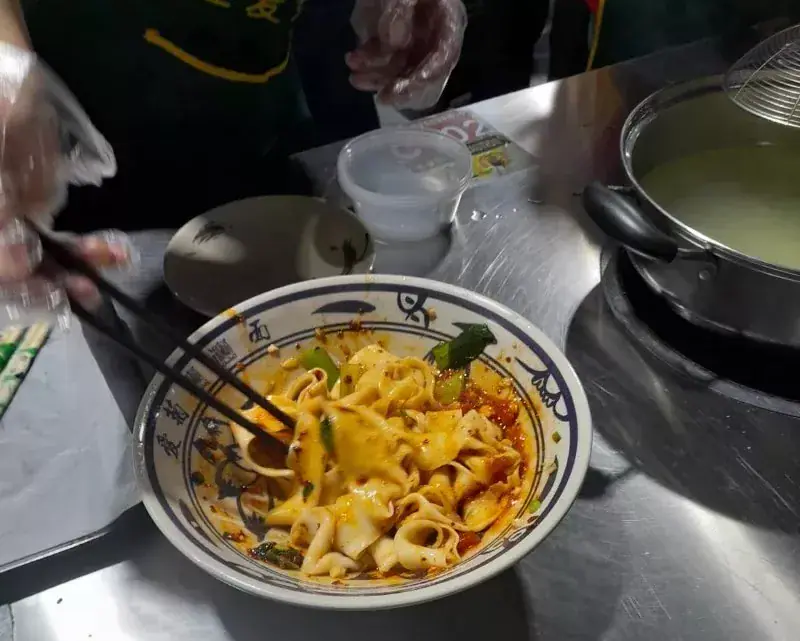
Ultimately, the journey of the wheat from North Kazakhstan to a bowl of noodles in Xi'an is about more than agricultural trade. It tells the story of farmers finding markets, workers gaining opportunities and two countries building closer relationships through a shared economic interest.
Key points
- The partnership connects farmers to markets, creates jobs and offers lessons for countries such as Kenya.
- Improving agriculture involves ensuring that produce can be collected, processed and transported efficiently to the people who need it.
- Investments in farming, processing and distribution can have a wider impact when local communities are included and benefit from the opportunities created.