The Kenyan Cabinet has approved the Architectural and Quantity Surveying Practitioners Bill, 2026, which aims to strengthen regulation of professionals involved in building design, construction, and management. The bill proposes tougher penalties for those who obtain professional registration or licences through fraudulent means. This move is part of the government's efforts to address concerns over construction standards and public safety. The bill was approved on October 9, 2026.
The proposed legislation seeks to introduce annual practising licences for architects, quantity surveyors, landscape architects, interior designers, and construction project managers. Those found guilty of fraudulent registration or licensing could face a fine of up to KSh 2 million or a prison term of up to two years. This represents a significant increase in penalties compared to the existing law, which dates back to 1934 and provides for a maximum fine of just KSh 5,000 for certain offences.
The bill also proposes a separate fine of up to KSh 3 million for professionals who practise without a valid licence. This move aims to add another layer of accountability for those working in the built environment sector. If enacted, the proposed changes would significantly increase the financial consequences for some professional misconduct and licensing offences. The legislation is intended to replace the existing law, which has been in place for over 90 years.
Building safety has become a major concern in Kenya following fatal structural failures and concerns about compliance with approved construction plans. On January 9, the Institution of Engineers of Kenya reported that inspections of approximately 15,000 buildings in Nairobi had found only 15% to be safe, while about 8% were classified as being in fair condition. This has raised concerns about the need for stricter regulations and enforcement.
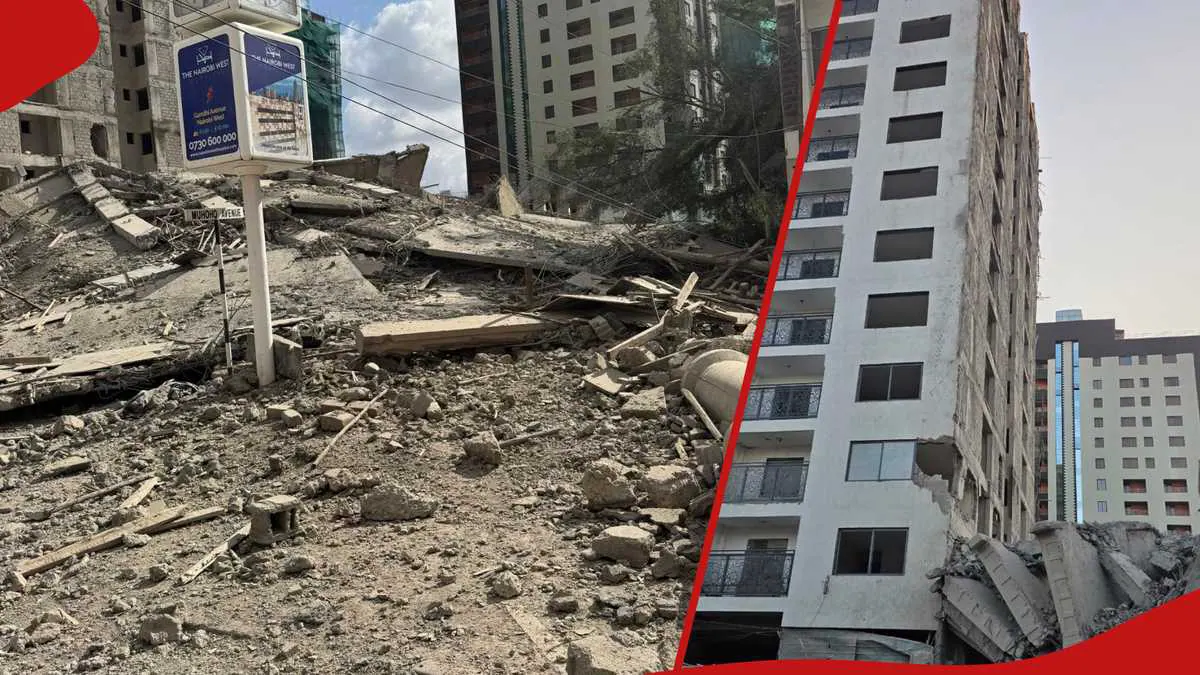
The proposed reforms come amid growing scrutiny of building safety in Nairobi and other parts of the country. The January 2 collapse of Manzil Towers in Nairobi's South C estate claimed two lives and raised concerns about construction standards. An investigation into the collapse found that the approved structural design provided for a 12-storey building, but construction had reached 14 storeys before the collapse.
A separate investigation into the partial collapse of an 11-storey building in Mombasa in April 2025 also raised concerns about the alleged misuse of professional credentials, design flaws, and inadequate supervision at construction sites. These incidents have highlighted the need for stricter regulations and enforcement in the built environment sector. The government is seeking to address these concerns through the proposed bill.
The Architectural and Quantity Surveying Practitioners Bill, 2026, is part of the government's efforts to strengthen regulation and enforcement in the built environment sector. If enacted, the bill would provide for stricter penalties for unqualified practitioners and those who practise without a valid licence. This move aims to improve building safety and protect the public from the risks associated with poor construction standards.
Key points
- The Kenyan Cabinet has approved a bill proposing fines of up to KSh 2 million and 2-year jail terms for individuals who fraudulently obtain professional registration or licences in the built environment sector.
- The proposed legislation seeks to introduce annual practising licences for architects, quantity surveyors, landscape architects, interior designers, and construction project managers.
- The bill aims to strengthen regulation and enforcement in the built environment sector, addressing concerns over construction standards and public safety.