The Kenya National Highways Authority (KeNHA) has established a formal complaints and grievance channel for communities along the Rironi–Mau Summit Road corridor. Specifically, the Rironi–Gilgil section of the project will utilize this channel. The Grievance Redress Mechanism (GRM) was launched by KeNHA's Environmental and Social Safeguards (ESS) team, in collaboration with the PPP Directorate and the China Road and Bridge Corporation (CRBC).
The launch exercise convened representatives from several areas along the project route, including Lari, Limuru, Naivasha, Mai Mahiu, and Gilgil. Various institutions were represented, such as the National Land Commission (NLC), the National Environment Management Authority (NEMA), Kenya Power and Lighting Company (KPLC), and Project-Affected Persons (PAPs). This stakeholder engagement aimed to introduce the GRM and its role in addressing project-related grievances.
KeNHA's GRM is designed to handle complaints from communities living and working near the construction zone. The mechanism provides structured channels for receiving, addressing, and resolving project-related grievances. This initiative aims to strengthen engagement with affected communities and prevent potential conflicts between the project and local communities.
The GRM platform allows residents and businesses to raise concerns about the project's impact on their livelihoods, land, and daily activities. By providing a formal route for addressing grievances, disputes can be resolved in a timely and efficient manner. The Rironi–Mau Summit Road is a major highway development initiative under a Public-Private Partnership (PPP) framework, spanning a significant stretch of the Nairobi–Nakuru transport corridor.
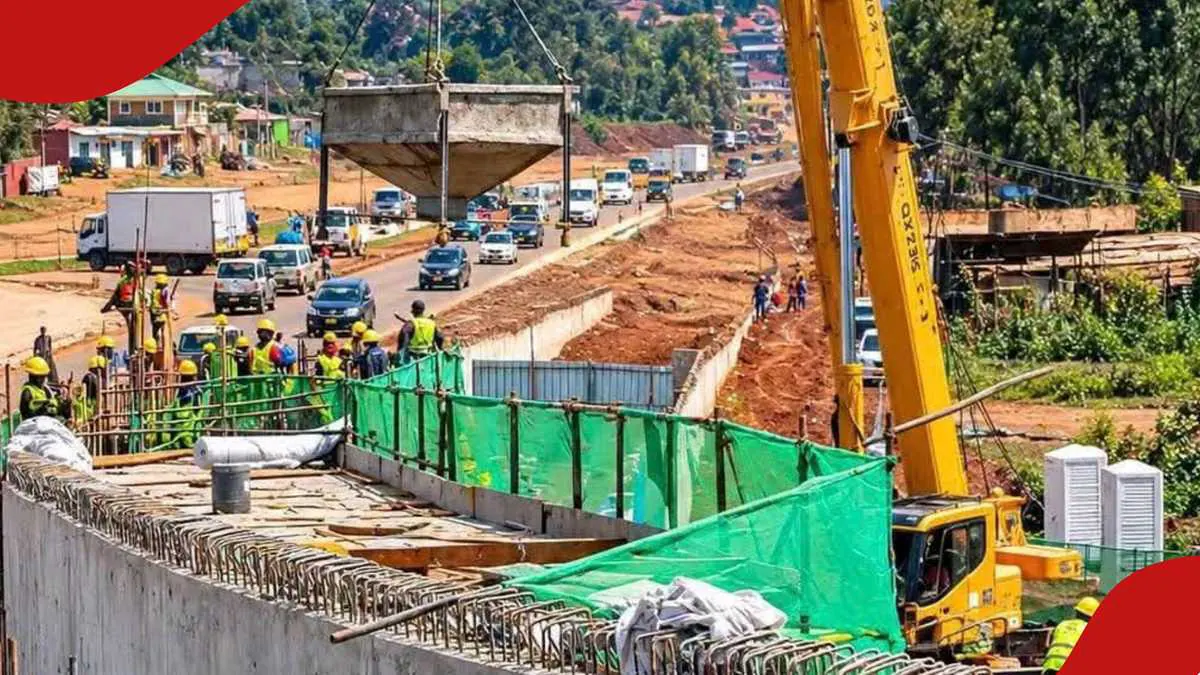
The upgraded A8 Corridor is expected to improve safety and traffic flow on a key route linking Nairobi to western Kenya and neighbouring countries. The project could also cut travel times and transport costs for commuters and businesses. KeNHA's Director General, Luka Kimeli, recently inspected tarmac-laying works near the Ngarariga Interchange, demonstrating progress on the road.
The GRM was launched by KeNHA's ESS team, headed by Lucy Wainaina. The ESS team worked alongside the PPP Directorate and CRBC to establish the GRM. Stakeholders, including PAPs, were engaged in the launch exercise to ensure that their concerns are addressed throughout the project's lifecycle.
The introduction of the GRM demonstrates KeNHA's commitment to responsible project development and community engagement. By providing a formal complaints platform, KeNHA aims to ensure that the Rironi-Mau Summit Highway project benefits local communities while minimizing its negative impacts.
Key points
- The GRM provides a structured framework for handling complaints from communities affected by the Rironi-Mau Summit Road project.
- The Rironi-Mau Summit Road project is a major highway development initiative under a Public-Private Partnership (PPP) framework.
- The upgraded A8 Corridor is expected to improve safety, traffic flow, and reduce travel times and transport costs.