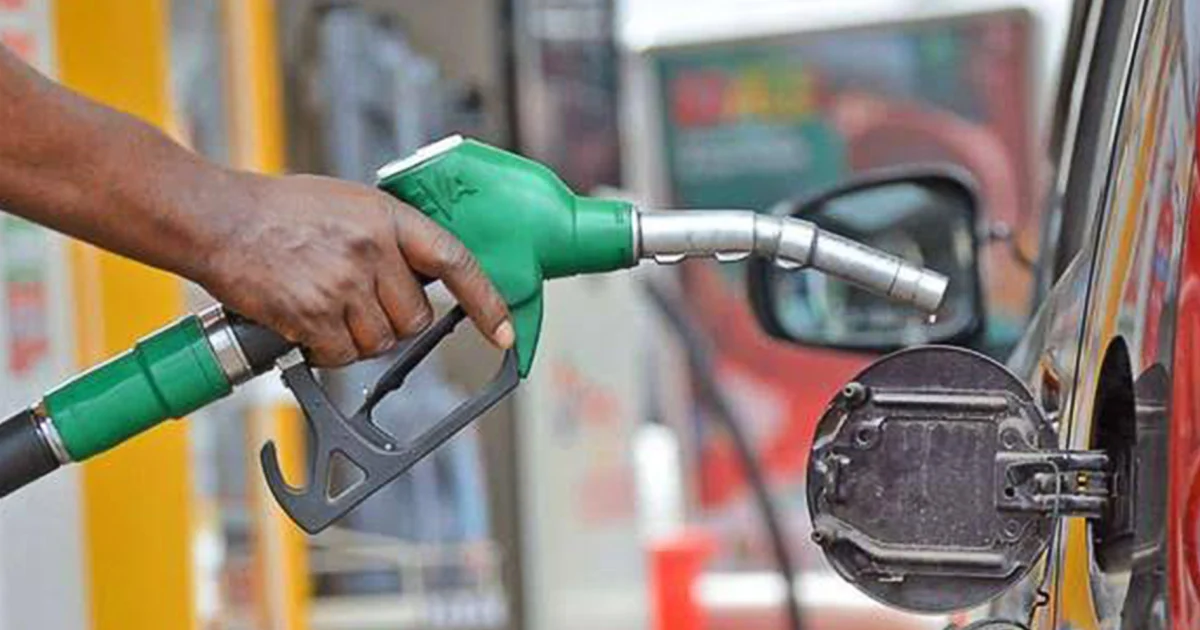
The Nigerian Federal Government's plan to offer a 30-day petrol discount has faced backlash from opposition groups, including former Vice President Atiku Abubakar, the Obidient Movement, and the Nigeria Democratic Congress. They described the intervention as inadequate and politically motivated. The plan, announced by Finance Minister Taiwo Oyedele, allows the Nigerian National Petroleum Company Limited to forgo its retail profit margin on petrol and sell it at a discounted cost.
The discount, which will be offered at NNPC filling stations nationwide, prioritizes public transport operators. Oyedele stated that the intervention aims to cushion households from global crude oil price shocks and does not signal a return to the petrol subsidy regime, which ended on May 29, 2023. However, opposition groups argue that the plan is a temporary measure that does not address the root causes of the high petrol prices.
Atiku Abubakar questioned the sustainability of the initiative, stating that it would only provide relief for a month before returning to the same high prices. He also criticized the restriction of the discount to NNPC stations and the lack of a confirmed amount per liter. Atiku proposed a capped and budgeted production support for domestically refined petrol, with safeguards to ensure consumers benefit.
The Obidient Movement also rejected the plan, suggesting that it was linked to the approaching 2027 general elections. They questioned why the government had waited over three years after subsidy removal to introduce measures to reduce petrol prices. The movement urged Nigerians not to be swayed by temporary relief measures, insisting that the country requires sustainable access to affordable fuel.
The Nigeria Democratic Congress described the discount as "tokenism and a Greek gift" from a government that removed fuel subsidy without proper consideration or cushions for Nigerians. They argued that the discount would not address the economic consequences of subsidy removal, including job losses and business closures.
Oyo State Governor Seyi Makinde's Allied Peoples Movement Presidential Campaign Organisation also criticized the plan, describing it as deceptive and inadequate. They argued that the N60-per-liter discount was insignificant compared to previous increases in petrol prices. The organisation questioned why the government introduced a marginal reduction after substantial increases in petrol prices.
Energy experts have expressed mixed reactions to the plan, with some welcoming the temporary relief and others warning that it could amount to another form of subsidy if its costs are not transparently managed. The government maintains that the plan is a one-time intervention to cushion the effects of high petrol prices, but opposition groups remain skeptical about its effectiveness.
Key points
- Opposition groups reject Nigeria's 30-day petrol discount plan as inadequate and politically motivated.
- The plan offers a N60-per-liter discount at NNPC filling stations nationwide, prioritizing public transport operators.
- Energy experts express mixed reactions, citing concerns about transparency and sustainability.