The struggle to sustain livelihoods has become a daily reality for many families in Katsina State as communities grapple with insecurity, rising living costs, displacement, and climate-related shocks to agriculture. In a state where farming and livestock remain the backbone of rural life, disruptions to agriculture have consequences far beyond households — affecting food security, incomes, and traditional ways of life.
The Katsina State Government under Governor Dikko Umaru Radda has continued to deploy interventions for communities affected by insecurity, displacement, poverty, and climate shocks. These include livelihood support, agricultural assistance, financial empowerment, community development projects, and collaborations with development organisations.
In Batsari, for instance, displaced residents are being supported to regain economic independence. A recent initiative trained 250 Internally Displaced Persons in livestock production and animal rearing, equipping beneficiaries with practical skills to generate alternative income and strengthen household resilience.
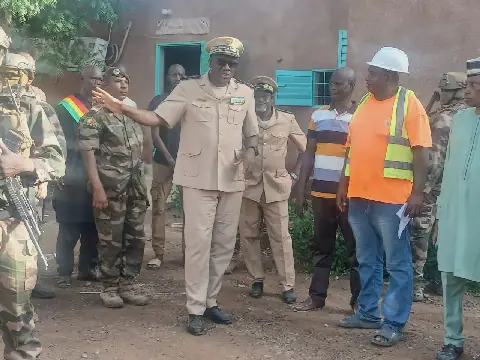
In Jibia, another community affected by insecurity and displacement, efforts to restore normal life have included housing and livelihood infrastructure. The construction of houses for displaced families alongside facilities supporting livestock activities seeks to address immediate humanitarian needs and long-term economic recovery.
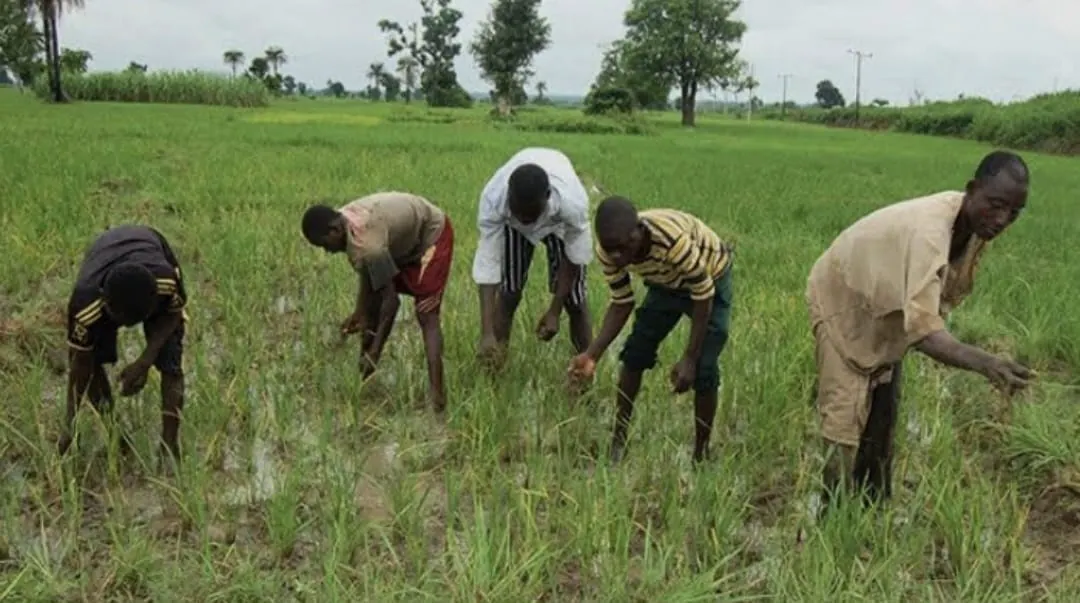
However, insecurity is not the only threat. Farmers are increasingly confronted with unpredictable weather — prolonged dry spells and flooding — that destroy crops, damage farmland, and weaken already vulnerable economies. The state government, in collaboration with development partners, is paying greater attention to climate resilience.
A $1 million intervention targeting vulnerable communities in Bindawa, Bakori, and Kafur is designed to strengthen food security and help farmers cope with drought and flooding. The project covers soil restoration, drainage, rehabilitation of water facilities, food storage, climate-smart agriculture, and livelihood diversification.
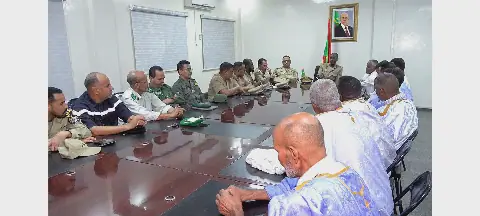
For residents in areas affected by insecurity, development cannot be separated from peace and security. The state has consequently continued to strengthen community-based approaches to security while working with relevant agencies and development partners on peacebuilding, early warning mechanisms, livelihood recovery, and youth empowerment.
Key points
- The Katsina State Government has deployed various interventions to support communities affected by insecurity, displacement, poverty, and climate shocks.
- A $1 million intervention is targeting vulnerable communities to strengthen food security and help farmers cope with drought and flooding.
- Residents in areas affected by insecurity require safe access to farmlands, traders need secure markets, and children need safe access to schools.