The Dar es Salaam Regional Government's plan to reclassify businesses operating in Kariakoo has received support from stakeholders. The initiative aims to improve access to formal shops, increase tax compliance, and boost revenue collection. According to Dar es Salaam Regional Commissioner Albert Chalamila, the region plans to formalise all businesses in Kariakoo and classify them according to their size. A soft campaign is also underway to return small traders to areas previously allocated to them by the government.
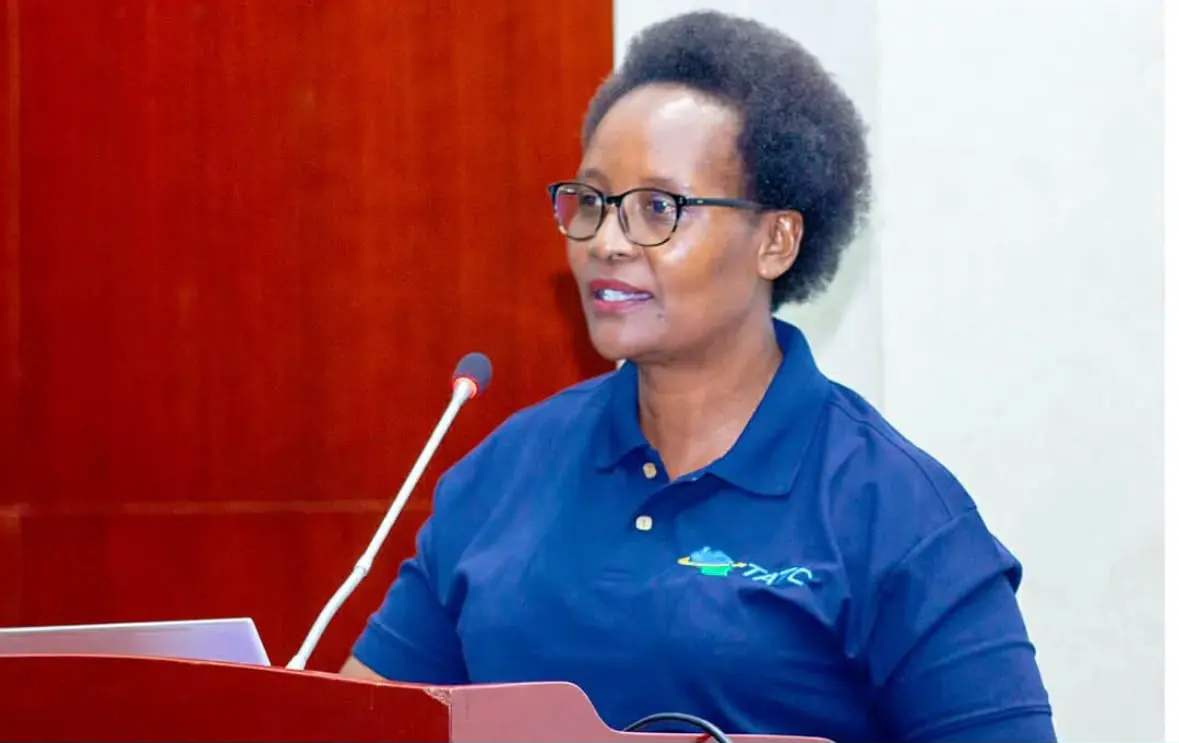
The Tanzania Association of Tax Consultants (TATC) Chairperson, Victoria Soka, has described the plans as a positive strategy that could make Kariakoo more accessible and vibrant by encouraging formal business operations. She noted that informal traders have occupied key streets and access routes, including Msimbazi, making it difficult for customers to reach formal shops. This has affected sales by large retailers, consequently reducing the taxes they paid.
Ms Soka believes that re-allocating traders to designated areas, including the Machinga Complex, would enable them to operate smoothly while paying the required charges. This would increase revenue for the Dar es Salaam City Council and ensure the Tanzania Revenue Authority (TRA) collected the appropriate taxes. Formalisation would also enable TRA officers to monitor tax payments more effectively and ensure customers received receipts for goods purchased.
Seasoned business expert Dr Sylvester Jotta of St Augustine University of Tanzania (SAUT) said formalising businesses in Kariakoo would strengthen international customers' confidence in goods sold at the commercial centre. Many international buyers prefer formal businesses, and Kariakoo is like the Dubai of East Africa. Dr Jotta added that the move could support GDP growth by making it easier to measure the contribution of small and medium enterprises (SMEs) once they were formalised.
However, Dr Jotta urged the government to address the challenges that push traders into informality, particularly compliance costs. He suggested that the government provide incentives, including access to loans, to encourage traders to formalise their businesses. University of Dar es Salaam (UDSM) Associate Professor of Economics Dr Martin Chegere said formalisation could disrupt Kariakoo's traditional informal business ecosystem in the short term but generate notable gains in the long term if consistently enforced.
Dr Chegere believes that in the long run, the government will increase tax collection and retailers will observe quality standards of their products. He commended the government for engaging traders on relocation plans, saying dialogue would help the two sides reach consensus on suitable locations. Prof Chegere added that the move could also reduce the role of middlemen in Kariakoo, whom he said had contributed to price increases for some goods, including clothes.
The stakeholders' support for the Kariakoo reorganisation plan is based on its potential to improve the business environment and increase revenue collection. The plan's success will depend on consistent engagement with traders, enforcement of laws, and allocation of businesses to appropriate areas. If successful, the plan could strengthen Kariakoo's position as a regional business hub serving customers from neighbouring countries, including the Democratic Republic of Congo (DRC).
Key points
- The plan aims to formalise all businesses in Kariakoo and classify them according to their size.
- Formalisation could increase tax compliance and boost revenue collection.
- The move could also reduce the role of middlemen in Kariakoo and support GDP growth.