Karakuta Fresh Produce, a Kenyan horticultural exporter, has applied to list existing shares on the Nairobi Securities Exchange (NSE). The transaction, which requires approval from both the NSE and the Capital Markets Authority, will not raise new equity. Instead, it will introduce existing shares to the public market, providing investors with a regulated entry point into the private agricultural exporter. This move establishes price discovery and sets a foundation for future capital raises as the business grows.
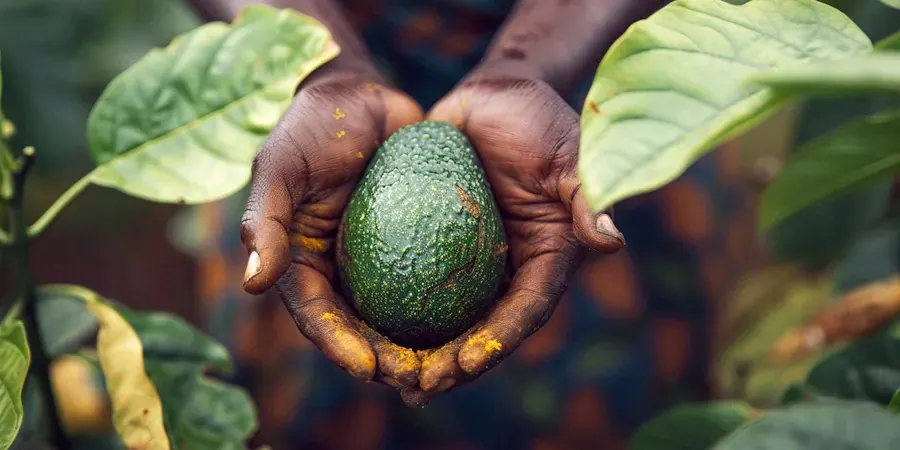
Karakuta, based in Juja, Kiambu County, exports Hass and Fuerte avocados, as well as fresh herbs. The company sources produce from over 3,000 farmers across Kenya, Uganda, and Tanzania. Its export markets currently include the European Union, the United Arab Emirates, Malaysia, and India, with plans to target China in the future. This expansion raises the stakes on produce quality, cold-chain reliability, and market-access logistics.
The listing structure, known as a listing by introduction, offers market access to investors without funding new orchards, packhouses, or cold-chain infrastructure. This rare opportunity on Kenya's public markets provides investors with a regulated entry point into a private agricultural exporter. The company has not yet disclosed a listing date, share count, reference price, or expected market capitalization, which will define investor appetite once the approvals process concludes.
The Karakuta NSE listing has broader implications for Kenya's horticultural trade earnings. As a major exporter, Karakuta sits at the center of a long supplier network, supporting smallholder farmers, transporters, packagers, and cold-storage operators. Higher export volumes lift demand across this entire chain, making the investment case extend beyond Karakuta itself. The sector already ranks among Kenya's top foreign-exchange earners, according to Kenya National Bureau of Statistics trade data.
For institutional investors, sensitivity to harvest volumes, international commodity demand, and perishable-goods logistics remains a key risk to monitor. However, the listing structure limits balance-sheet dilution risk at entry. The Capital Markets Authority review represents the critical near-term milestone. Once approved, the transaction would broaden Kenya's public markets beyond banking, telecoms, and energy — sectors that have historically dominated the NSE.
A clean listing by introduction from an agricultural exporter signals that private agribusinesses are becoming more comfortable with public-market discipline. This development could pave the way for other private agribusinesses to follow suit, increasing the diversity of Kenya's public markets. Investors should track the regulatory decision timetable, the eventual listing terms, and Karakuta's first public disclosures on volumes, margins, and expansion targets.
The successful listing of Karakuta Fresh Produce on the NSE will provide a new investment opportunity for investors and support the growth of Kenya's horticultural sector. The company's plans to expand its export markets, particularly to China, will require significant investments in produce quality, cold-chain infrastructure, and logistics. As the sector continues to grow, it is likely to have a positive impact on smallholder income, agri-logistics capacity, and Kenya's broader horticultural trade earnings.
Key points
- The Karakuta NSE listing provides investors with regulated access to Kenya's horticultural export chain.
- The listing structure limits balance-sheet dilution risk at entry.
- The transaction could broaden Kenya's public markets beyond traditional sectors.