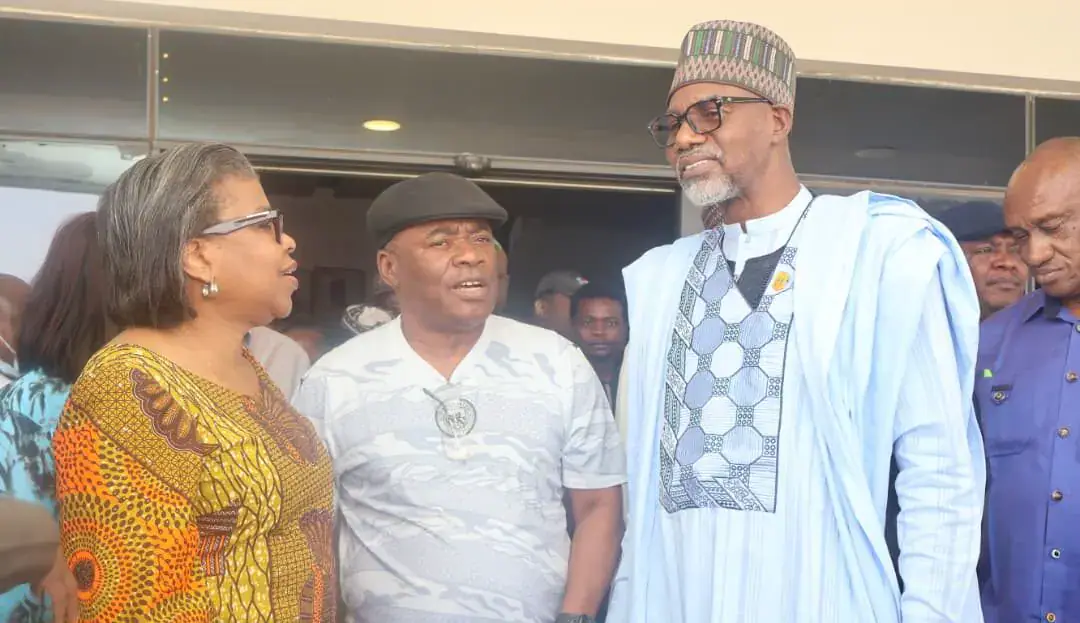
The Federal Government of Nigeria has made significant progress in the Kano-Maradi railway project, with approximately 6,500 workers currently engaged on the project. Out of these, 6,000 are Nigerians, while about 200 are expatriates. The Permanent Secretary of the Federal Ministry of Transportation, Funso Adebiyi, disclosed this information during an inspection tour of the project at the Kazaure construction site in Jigawa State on November 20, 2026.
The locally recruited workers will be retained as staff after the completion of the project to ensure that Nigerians continue to operate and manage the railway infrastructure. The Federal University of Transportation, Daura, Katsina State, has played a crucial role in providing specialised training and developing local manpower to strengthen the country's railway sector. This move is expected to boost the capacity of Nigerian workers in the railway industry.
The first phase of the project, covering the Kano-Dawanau to Katsina section, is scheduled for commissioning in December 2026. Construction will continue on the remaining sections linking Katsina to Jibia and Maradi in the Niger Republic. Adebiyi announced that approximately 650,000 of the 800,000 concrete railway sleepers required for the project had already been manufactured at the construction yard.
The Kano-Maradi railway project spans approximately 400 kilometres, making it significantly larger than the Abuja-Kaduna and Kaduna-Kano railway corridors, which cover 189 kilometres and 203 kilometres respectively. The project is expected to be completed within a short period, with workers currently engaged in assembling and coupling railway tracks towards Maradi.
The Federal Government has resumed discussions with the Niger Republic's Ministry of Transportation to address security, immigration, and customs requirements. These discussions aim to facilitate the movement of construction equipment, machinery, and personnel between the two countries to ensure the timely completion of the remaining sections of the railway project.
The Vice-Chancellor of the Federal University of Transportation, Daura, Professor Umar Adam Katsayal, commended the Permanent Secretary and his entourage for the inspection visit. Katsayal expressed optimism that the visit would deepen the Ministry of Transportation's support for the university and foster closer collaboration with railway construction firms.
The completion of the Kano-Maradi railway project is expected to have a positive impact on the region's economy and transportation sector. With the employment of 6,000 local workers, the project is also contributing to the country's job creation efforts. The project's progress and expected completion in December 2026 mark a significant milestone in Nigeria's railway development.
Key points
- The Kano-Maradi rail project employs 6,000 Nigerian workers out of a total of 6,500 workforce.
- The first phase of the project is scheduled for commissioning in December 2026.
- The project spans approximately 400 kilometres, making it larger than the Abuja-Kaduna and Kaduna-Kano railway corridors.