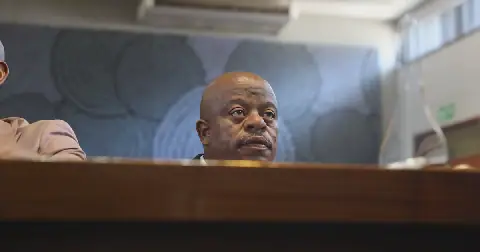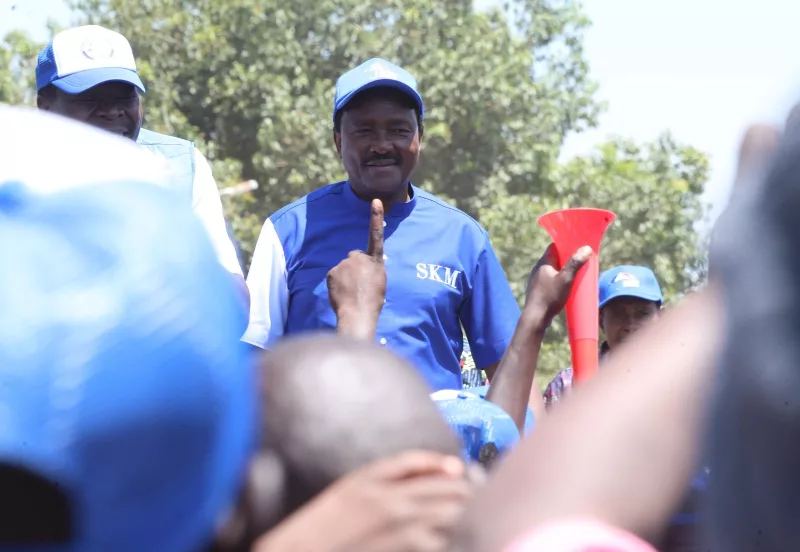
Kenyan opposition leader Kalonzo Musyoka is facing significant challenges in his efforts to unite the opposition under the newly formed Ukombozi Alliance. The resistance comes just days after Kalonzo unveiled the Ukombozi Alliance as the rebranded Azimio la Umoja One Kenya Coalition. This move has exposed fresh divisions within the opposition, with several key allies questioning the decision and pursuing alternative arrangements ahead of the 2027 elections.
The Deputy Party Leader of the Democratic Coalition Party (DCP), Cleophas Malala, has stated that his party will not join the Ukombozi Alliance. Instead, Malala indicated that DCP would seek to work with Nairobi Senator Edwin Sifuna before negotiating with other opposition groups. This stance is not new, as Embakasi North MP James Gakuya, a close ally of Deputy President Rigathi Gachagua, had previously disclosed in August that DCP would not join Azimio, now rebranded as the Ukombozi Alliance.
The National Liberal Party (NLP), one of the founding parties of the coalition, has demanded clarity over the rebranding. NLP leader Augustus Muli revealed that the party has written to the coalition leadership and the Registrar of Political Parties, seeking official documentation and details on the legal and organizational basis of the change. This move suggests that NLP is cautious about the rebranding and wants to ensure that all relevant procedures are followed in accordance with the law.
The Mwananchi Party leader and Embakasi East MP Babu Owino has signaled that Sifuna's Linda Mwananchi faction could form its own coalition before engaging other opposition players. Owino expressed support for Sifuna as a potential presidential candidate, stating that once Sifuna is in position, they will form a coalition within Linda Mwananchi. This could potentially lead to the emergence of competing coalition structures within the opposition.
The unveiling of the Ukombozi Alliance by Kalonzo was attended by notable figures, including Siaya Governor James Orengo and Azimio secretary general Caroli Omondi. However, some key leaders were noticeably absent, including PLP leader Martha Karua and Narc leader Charity Ngilu. Karua had previously rejected the proposed rebrand in March, while Ngilu's absence is significant given her membership in the Azimio Council.
The emerging divisions within the opposition could have significant implications for the 2027 elections. With competing coalition structures potentially emerging, the opposition may struggle to present a united front against their rivals. Kalonzo's efforts to consolidate the opposition under the Ukombozi Alliance have been met with resistance, and it remains to be seen how these divisions will be resolved.
As the opposition navigates these challenges, it is clear that Kalonzo faces an uphill task in his bid to unite the opposition. With key allies rejecting the Ukombozi Alliance and pursuing alternative arrangements, the road ahead looks uncertain. The coming days and weeks will be crucial in determining the future of the opposition and its chances of success in the 2027 elections.
Key points
- Kalonzo Musyoka's Ukombozi Alliance faces resistance from key allies.
- The opposition is likely to have competing coalition structures ahead of the 2027 elections.
- The rebranding of Azimio la Umoja One Kenya Coalition as Ukombozi Alliance has exposed fresh divisions within the opposition.