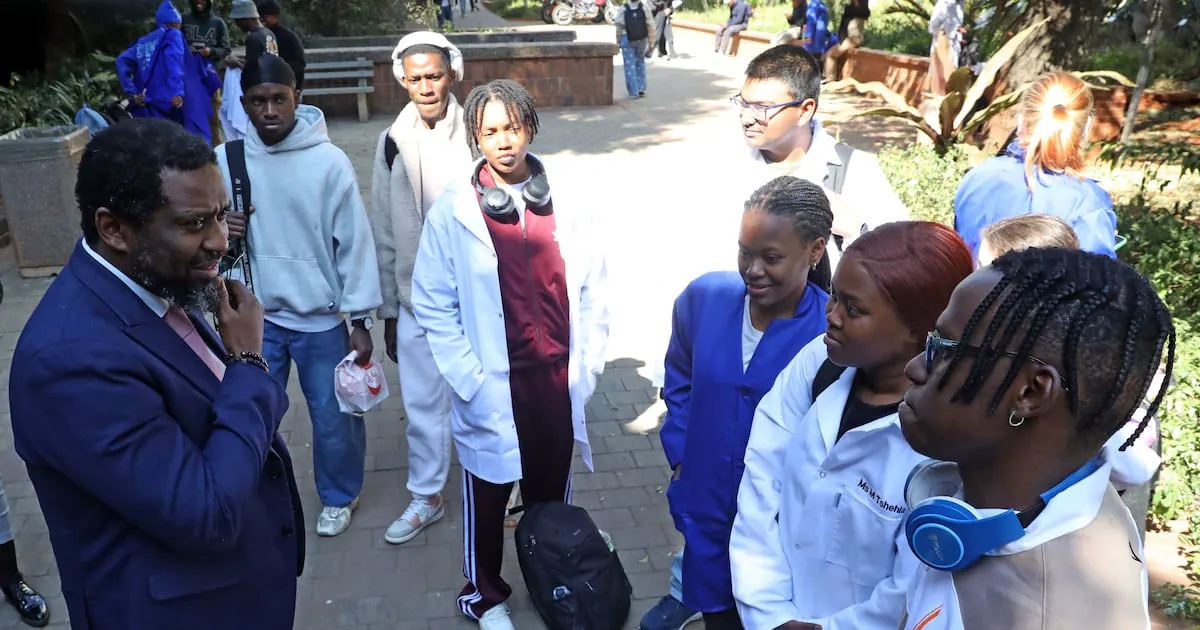
The traditional university experience in South Africa is being challenged by technology and changing student expectations. The modern learning environment extends beyond physical infrastructure, with students accessing resources and collaborating through physical and digital platforms. This shift aims to create learning environments that prepare students for the future while keeping education fundamentally human. Institutions must now consider how to use technology meaningfully.
Digitally enabled classrooms, blended learning, and online resources give students greater flexibility in engaging with their studies. Technology can shift the student's role from passive recipient to active participant in the learning process. This does not mean replacing lecturers with technology but rather giving educators opportunities to facilitate discussion and create personalized learning experiences. The real opportunity lies in using technology to enhance teaching.
In the African context, higher education plays a crucial role in preparing young people for digital economies. Employers seek more than academic qualifications, including digital fluency, adaptability, and critical thinking. Students need learning environments that mirror real-world challenges, with opportunities to work collaboratively and navigate digital platforms. Technology should make learning more accessible and support different learning approaches.
However, there is a danger in viewing technology as an end in itself. Institutions must ask what problem they are trying to solve for the student. Technology should improve the student experience and contribute to meaningful learning outcomes. This requires investment in educators, student support, and digital literacy, as well as designing learning experiences that integrate technology thoughtfully.
The evolution of the learning environment reflects a broader understanding of education. The modern campus must be a place where technology, people, and purpose intersect, creating spaces that encourage collaboration and curiosity. Students need mentors, conversations that challenge their assumptions, and opportunities to collaborate with people who think differently.
Artificial intelligence and emerging technologies may transform how information is accessed and learning is delivered, but they cannot replace human connection and empathy. Institutions that thrive in the future will be those that use technology most purposefully. The future of higher education will be more flexible, connected, and digitally enabled than the traditional model.
According to Dr. Alucia Mabunda, campus head at Rosebank International – Nelson Mandela Bay Campus, the objective should be to build a student-first university that understands the role technology can play in improving education. The classroom of tomorrow is an environment where students are encouraged to question, create, collaborate, and continuously learn. Technology will reshape higher education, and institutions must ensure that education remains focused on developing capable and adaptable people.
Key points
- Technology is transforming the traditional university experience in South Africa.
- Institutions must use technology purposefully to improve the student experience.
- The future of higher education will be more flexible, connected, and digitally enabled.