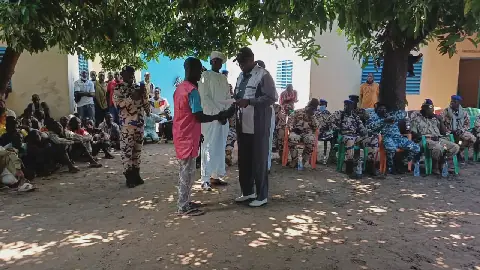
The National Land Commission (NLC) has started nationwide public consultations on proposed regulations to address historical land injustices and review of public land grants in Kenya. In Kajiado County, residents shared their experiences, concerns, and proposals on how the regulations can address land grievances. The consultations focused on the Draft Historical Land Injustices Regulations, 2026, and the Review of Grants and Dispositions of Public Land Regulations, 2026.
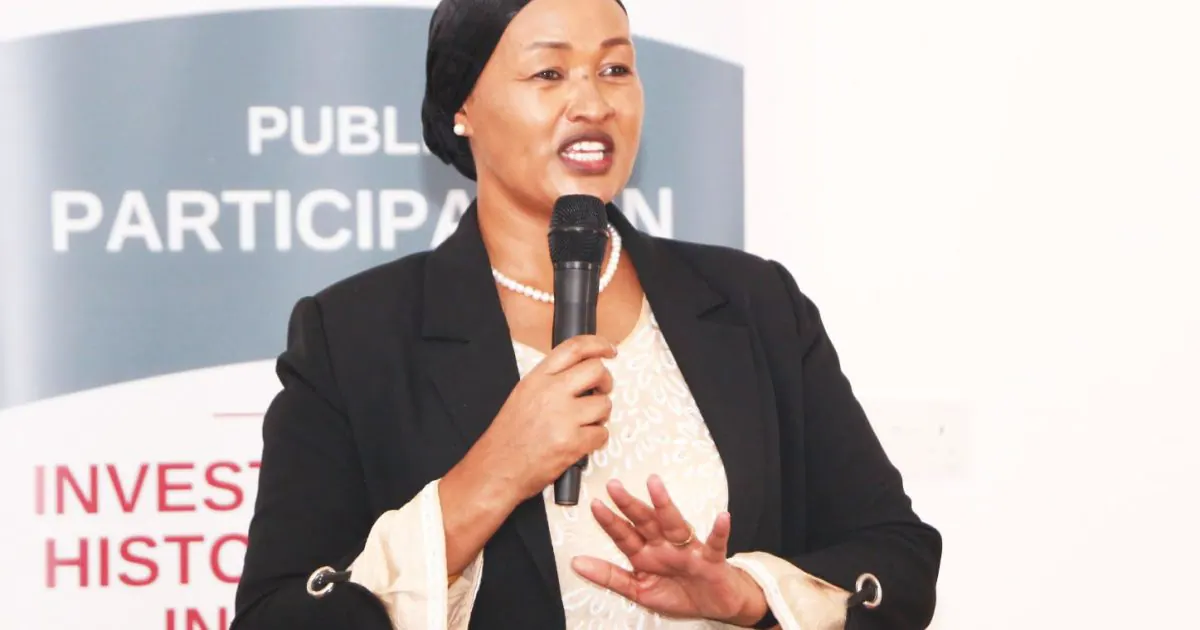
NLC Vice-Chairperson Dr. Julie Oseko emphasized the importance of community participation in developing regulations that respond to their challenges. She urged residents to actively participate and submit their views before the process concludes. The submissions will help the Commission develop a framework that addresses community concerns and provides an effective basis for redressing historical land grievances.
According to NLC Chief Executive Officer Kabale Tache Arero, the Commission is mandated to investigate present or historical land injustices and recommend redress under Article 67 of the Constitution. The Commission will consider recommendations made during the consultations before finalizing the regulations. Residents cited difficulties in obtaining title deeds, land surveys, ownership disputes, and disinheritance as land-related problems affecting communities in Kajiado.
Samuel Lonkoi, chairman of the Alternative Justice System (AJS) in Kajiado, stated that land brokers have complicated land administration, making it difficult for residents to resolve disputes. He called for the NLC to take a more central role in handling land matters, citing challenges with title deeds, surveys, and ownership.
The Community Land Action Now (CLAN) network, supporting the consultations, emphasized the need for greater awareness among residents of their rights and responsibilities in protecting community land. CLAN Steering Committee Coordinator Philip Koyei said the forum allowed communities to present challenges affecting their ancestral land, including grievances dating back generations and emerging threats.
Paul Lekapana cautioned the Maasai and other pastoralist communities against selling or subdividing communal land, warning that fragmentation could undermine pastoral livelihoods. He called for communities to remain united in protecting their land, emphasizing the principle of free, prior, and informed consent in decisions affecting community land.
Mohamed Yusuf Goni, a CLAN board member, highlighted the importance of securing title deeds for community land in strengthening tenure and protecting communal resources. He noted that land is a contentious issue in Kenya, particularly for pastoralists, indigenous groups, and fisherfolk, and emphasized the value of indigenous knowledge in documenting historical injustices.
Key points
- The NLC's public consultations aim to address historical land injustices and review public land grants in Kenya.
- Kajiado residents cited difficulties in obtaining title deeds, land surveys, and ownership disputes as major land-related problems.
- The Community Land Action Now (CLAN) network emphasized the need for greater awareness among residents of their rights and responsibilities in protecting community land.