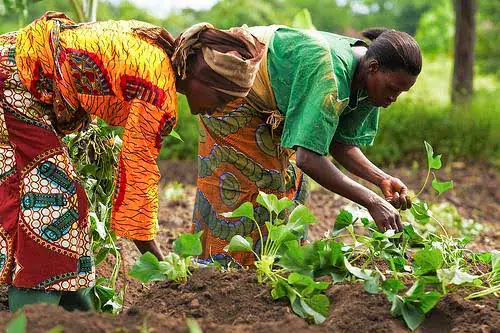
In the rural communities of Kaduna State, a quiet but profound economic shift is underway, driven by women turning small plots of land into powerful engines for household stability. This trend of women's vegetable farming in Kaduna, which began for many as a simple means of survival, is now blossoming into a source of income, independence, and entrepreneurial ambition, reshaping local economies from the ground up. Thousands of women are leveraging agriculture to gain financial footing, feed their families, and build a future.
For women like Asabe Daniel, a resident of Wusasa village, farming became a lifeline after she lost her local government job. She started cultivating tomatoes and soya beans on a small plot, learning as she went. Her story reflects a broader movement where women are driving change across local government areas like Zaria, Sabon Gari, and beyond. The experiences of these women, though individual, paint a collective picture of determination and burgeoning success.
The impact of this agricultural movement is twofold, directly addressing two of the most pressing needs for rural families: food security and income. For many, the vegetables they grow first appear on their own dinner tables before any are sold at market. This has had a direct effect on household nutrition and health. Hannatu Adamu, who has grown carrots for five years, saw this benefit firsthand when her farm provided a cure for her child's malnutrition.
Despite these successes, the path for women farmers in Kaduna is far from easy. They face significant systemic obstacles that limit their ability to scale up their operations. The most formidable of these is access to land, a resource overwhelmingly controlled by men. According to Kaduna State's own Women's Economic Empowerment Policy, a stark 92.7% of women in the state do not own land, with only 4.7% holding independent ownership.
Recognizing the immense potential of these women, government bodies and non-governmental organizations have begun to step in with crucial support. The administration of Governor Uba Sani launched a significant free fertilizer distribution program targeting 150,000 smallholder farmers, with a specific focus on women. Development organizations are also playing a critical role, providing resources and training needed to help female farmers move from subsistence to sustainable enterprise.
Knowledge is as vital as capital in modern farming. The National Agricultural Extension and Research Liaison Services at Ahmadu Bello University has been working with women's groups for 15 years, providing training in everything from crop selection to pest control and climate-smart agriculture. The THRIVE project, implemented by the East-West Seed Knowledge Transfer Foundation, has trained over 10,000 women in improved farming practices since early 2025.
The measurable impact on Kaduna's economy is significant. A survey conducted after the first year of the WEE project found that 84.3% of 1,000 beneficiaries reported an increase in income. This translated to an average of 10,000 naira in extra monthly income in areas where the household average is just 50,000 naira. This movement extends beyond just farming, with women also being trained in trades like tailoring and hairdressing.
Key points
- Women in Kaduna State are leveraging vegetable farming to gain financial independence and drive economic change.
- The movement is addressing pressing needs for rural families, including food security and income.
- Institutional support, including government and non-governmental initiatives, is crucial to the success of these women farmers.