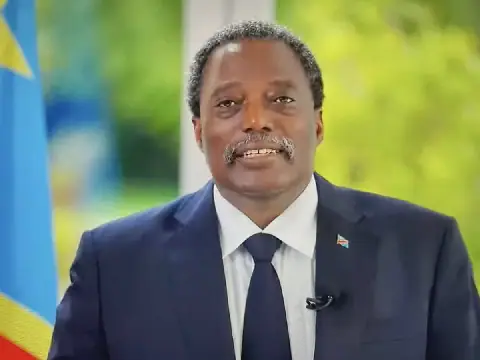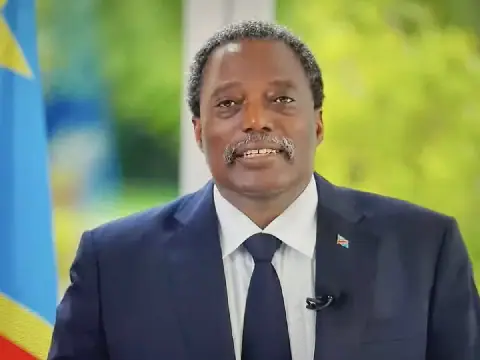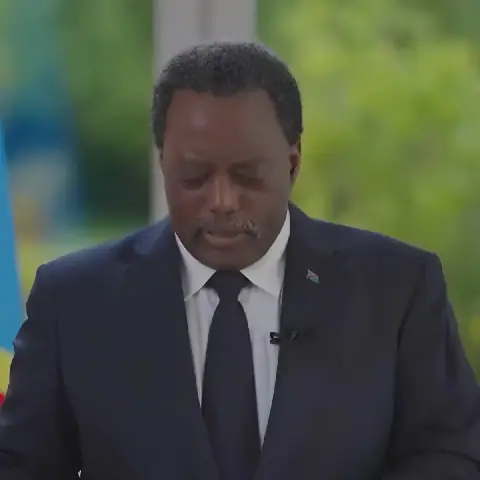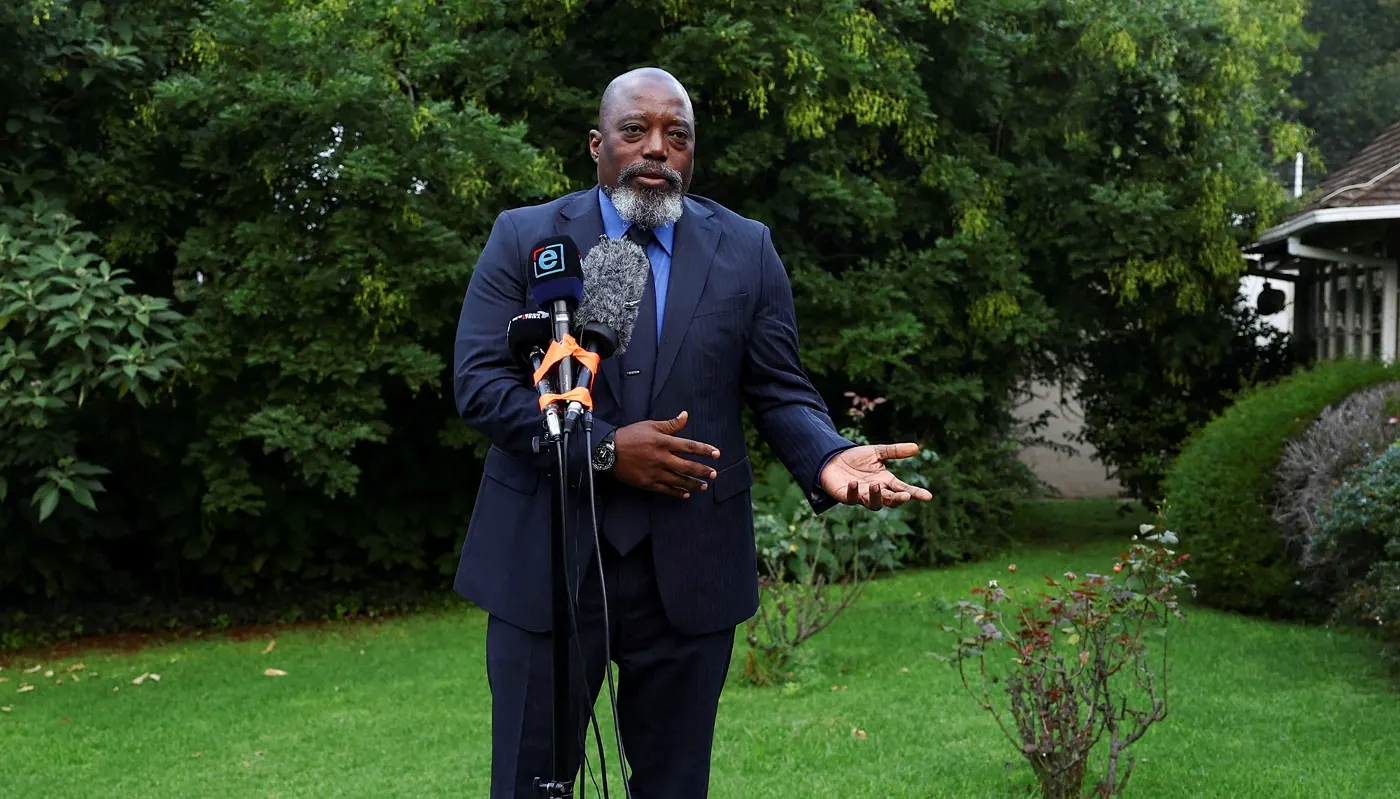
Former Democratic Republic of Congo President Joseph Kabila has renewed his call for a 12-point programme aimed at addressing the country's ongoing crisis. The programme, first presented in May 2025, seeks to promote political reforms, an end to armed conflict, and the restoration of state authority across the country. Kabila's proposals urge the Kinshasa authorities to end authoritarian rule, restore democracy, and promote reconciliation among Congolese.
Kabila's 12-point plan also focuses on improving economic and public-finance management, ensuring a fairer distribution of national resources, and fostering sustained dialogue with neighbouring countries. On security, he calls for an end to fighting, restoration of state control, and dismantling of armed groups operating in the country. Additionally, his proposals advocate for the return of foreign fighters, an end to the use of military mercenaries, and the withdrawal of foreign troops from the DRC.
The renewed call for reforms comes amid a deepening rift between Kabila and President Félix Tshisekedi, who initially shared power after Tshisekedi took office in 2019. However, their post-election alliance broke down as Tshisekedi moved to form a new parliamentary majority. Tshisekedi has since accused Kabila of supporting the M23-led rebellion in eastern Congo, an allegation Kabila vehemently denies.
The M23 rebellion, formed in 2012, emerged from a mutiny by former members of the National Congress for the Defence of the People (CNDP). They claimed the Congolese government had failed to implement a 2009 peace agreement. Kabila's government later engaged in negotiations to end the rebellion. The allegations against Kabila escalated in 2025 after he appeared in Goma, then under M23 control.
In May 2025, the Senate voted to lift Kabila's immunity as a senator for life, allowing for potential prosecution. A Congolese military court subsequently sentenced him to death in absentia in September 2025, convicting him of treason and other offences linked to the conflict. Kabila has rejected the proceedings as politically motivated.
The United States also sanctioned Kabila in 2026, citing alleged support for M23, which he denounced as unjustified and politically motivated. In an address on October 9, Kabila announced that he would share further ideas for addressing the country's crisis, having felt his earlier proposals were ignored.
Kabila's renewed call for reforms and his criticism of the current government reflect the ongoing challenges facing the DRC. The country's stability and progress will depend on the implementation of meaningful reforms and a resolution to the allegations and rifts between key leaders.
Key points
- Kabila renews 12-point reform call for DRC.
- Rift with Tshisekedi deepens amid M23 allegations.
- Kabila faces sanctions and conviction in absentia.