Former DR Congo President Joseph Kabila is facing growing opposition over his alleged role in the ongoing armed conflict in the country's eastern regions. The conflict has been marked by violence and instability, with various armed groups vying for control. Kabila's association with the Front pour la refondation de la nation (FRN) politico-military movement has sparked accusations of involvement in the persistence of armed violence in North and South Kivu provinces.
The situation on the ground remains particularly concerning, with reports of attacks and clashes continuing to emerge. In North Kivu, localities such as Kangati, Mikumbi, and Ngenge were targeted by FRN combatants on October 28, resulting in the death of a five-year-old child and injuring six civilians. Similar incidents have been reported in other areas, including the territories of Walikale, Masisi, and Fizi.
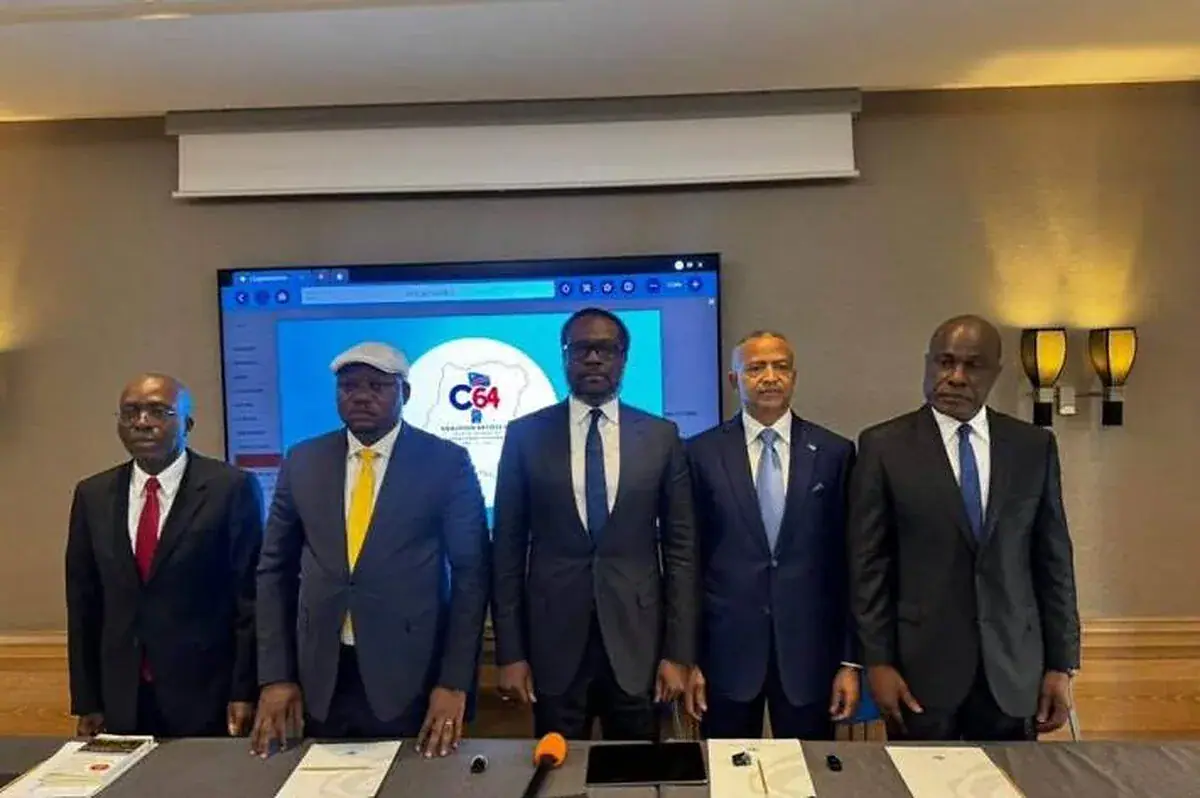
Kabila's actions have also sparked controversy on the political front, with several opposition figures and civil society leaders rejecting the prospect of a return to power through armed conflict. The C64 platform, led by Jean-Claude Katende, has expressed concerns over Kabila's alleged ambitions, calling for him to demonstrate his popularity through democratic means rather than armed confrontation.
The opposition to Kabila's actions has highlighted a divide within the Congolese opposition. While some actors remain open to a national dialogue including all political forces, others refuse to allow Kabila to use the crisis to regain influence through rebellion. The debate centers on the responsibility of political actors in the face of the security crisis and the country's institutional future.
The international community has been working to support a peaceful resolution to the conflict, with DR Congo's President Félix Tshisekedi intensifying diplomatic efforts to restore peace in the east. However, the persistence of clashes on the ground risks complicating peace prospects. The Congolese government has prioritized restoring territorial integrity and returning peace to provinces devastated by years of armed conflict.
The controversy surrounding Kabila's actions has raised questions about the role of armed groups in Congolese politics and the viability of a democratic transition. The C64 platform and civil society leaders have emphasized the need for Kabila to demonstrate his popularity through democratic means, rather than relying on armed conflict.
The situation in DR Congo remains volatile, with ongoing clashes and humanitarian concerns. The international community continues to watch developments closely, as the country's stability and security have significant regional and global implications.
Key points
- Joseph Kabila faces opposition over alleged role in armed conflict in DR Congo's east.
- C64 platform and civil society leaders reject Kabila's return to power through armed conflict.
- DR Congo's President Félix Tshisekedi continues diplomatic efforts to restore peace in the east.