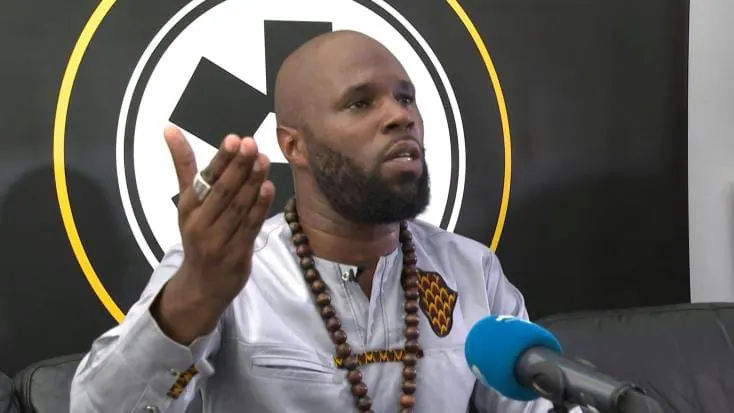
Kémi Séba, whose real name is Stellio Gilles Robert Capo Chichi, has been in detention in South Africa since April 13, 2026. He is facing charges related to attempting to leave the country irregularly with non-compliant travel documents. This is not the first time he has been scheduled to appear in court, as previous hearings have been postponed several times. His case has garnered significant attention due to the complexities surrounding his detention and extradition.
The South African authorities are holding Kémi Séba on allegations that he tried to leave the country for Mozambique with documents that were deemed non-compliant. This has led to a prolonged detention period, with his case being delayed multiple times. In addition to these charges, Kémi Séba is also facing an extradition request from the Beninese authorities. They are seeking his return to Benin to face charges of "apology for crimes against the safety of the state" and "incitement to rebellion."
The Beninese government is pushing for Kémi Séba's extradition to face trial in his home country. The charges against him in Benin relate to several public statements that the government claims are aimed at undermining the institutional order and stability of the state. Kémi Séba's defense team, however, plans to contest the extradition request. They argue that the charges in Benin are politically motivated and that there are concerns about the guarantees of human rights and a fair trial.
The upcoming court appearance in Pretoria is a significant step in the ongoing legal process surrounding Kémi Séba's detention and potential extradition. His legal team may argue that the extradition request is based on politically motivated charges and that Benin may not provide the guarantees of a fair trial and respect for human rights. The outcome of this hearing could have implications for the future of Kémi Séba's case and whether he will be extradited to Benin.
Kémi Séba's case highlights the complexities of international extradition and the challenges that arise when dealing with politically sensitive cases. His detention in South Africa and the extradition request from Benin have raised questions about the fairness of the trial he would face in his home country. The court's decision on Wednesday will be closely watched by both the activist's supporters and the governments involved.
The extradition request from Benin is based on charges that Kémi Séba denies or claims are unfounded. His supporters argue that he is being persecuted for his activism and that his extradition would set a dangerous precedent for freedom of speech in Benin. The case has sparked a debate about the limits of free speech and the role of activists in challenging government policies.
The decision on Kémi Séba's extradition will ultimately determine his fate and whether he will face trial in Benin. The court in Pretoria will have to weigh the evidence presented by both sides and decide whether the extradition request can proceed.
Key points
- Kémi Séba faces charges in Benin for "apology for crimes against the safety of the state" and "incitement to rebellion."
- The activist's defense team will contest the extradition request, citing concerns about politically motivated charges and human rights guarantees.
- The outcome of the hearing could have significant implications for Kémi Séba's future and the broader debate about free speech and activism in Benin.