Renowned Ghanaian journalist Moses Apiah, who was recently named Journalist of the Year 2025, has emphasized the need for journalists to go beyond merely reporting the announcement and commissioning of development projects. Speaking on A1 Radio, Apiah stressed that it is crucial for journalists to investigate whether such interventions are genuinely improving the lives of the people they are intended to serve. This call to action was made in the context of the Upper East Region, where Apiah believes journalists should focus on the impact of development projects.
According to Apiah, the traditional role of journalism - informing, educating, and entertaining the public - is no longer sufficient in regions like the Upper East, where many stories revolve around access to basic services such as water, healthcare, education, agriculture, and infrastructure. He argued that journalism in such environments should include sustained scrutiny of development interventions. This means that reporting a project's commissioning should not mark the end of a journalist's interest; rather, they should follow up to assess the project's functionality and accessibility.
Apiah highlighted the importance of follow-up reporting to identify gaps between official accounts of development and the actual experiences of people living in beneficiary communities. He urged journalists to resist the tendency to move on after official announcements and commissioning ceremonies, emphasizing that sustained follow-up is necessary for journalism to contribute to accountability and informed public discussion. This approach, he believes, will enable journalists to provide a more comprehensive understanding of development projects.
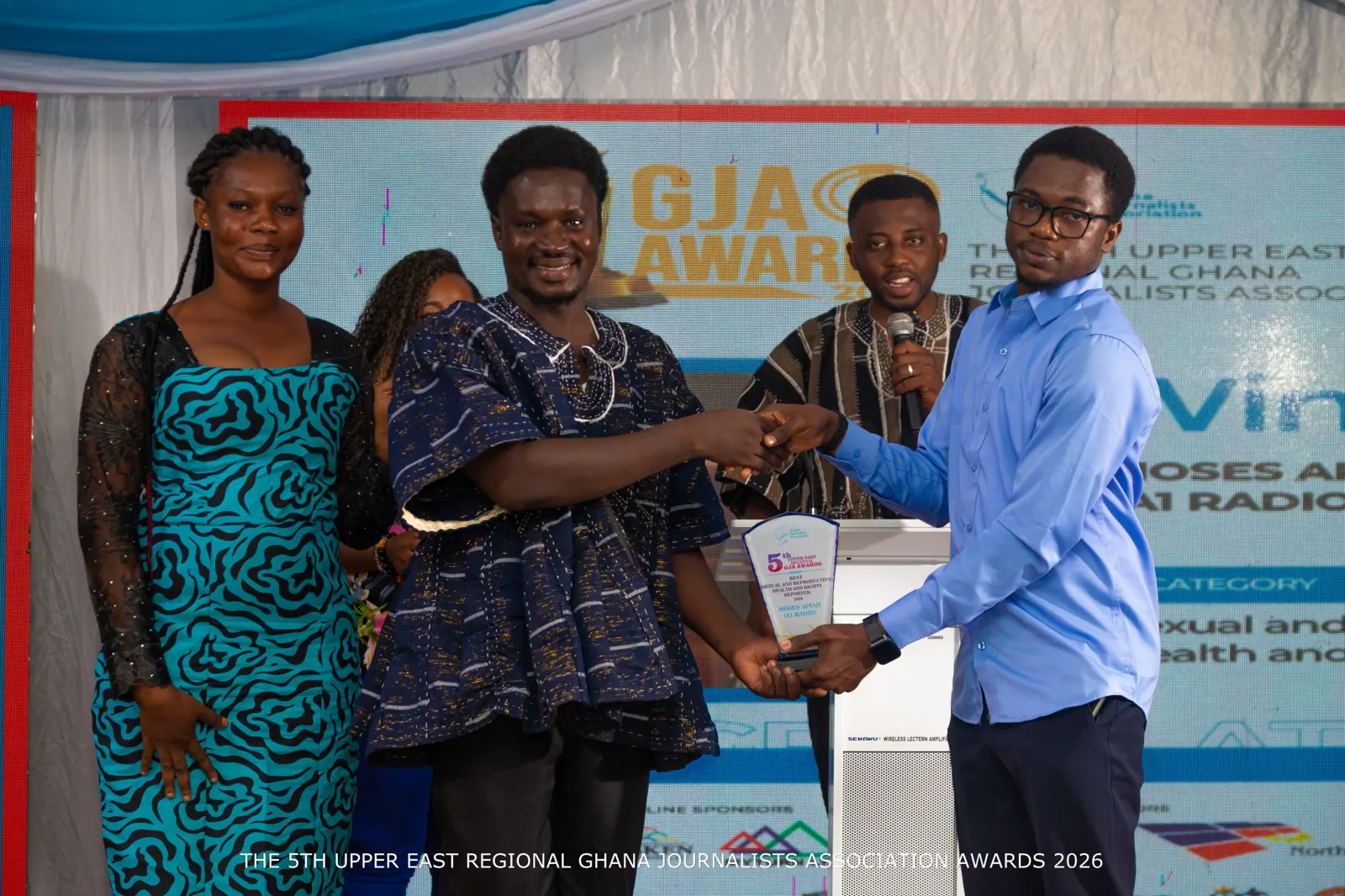
The Journalist of the Year 2025 award was presented to Apiah at the 5th Upper East Regional Ghana Journalists Association Awards. During the same event, other journalists were recognized for their outstanding work, including David Azure, who was named Most Promising Journalist and Best WASH Reporter. These awards underscore the importance of quality journalism in Ghana and the need for journalists to adhere to high standards of reporting.
Apiah's call for in-depth investigation of development projects is not new. He has previously spoken about the need for journalists to be more critical in their reporting, especially when it comes to government and political issues. In an interview, he mentioned that journalists should not become cheerleaders for government and politicians but rather maintain their independence and critical stance.
The training and capacity-building programs that Apiah has undergone have significantly influenced his approach to journalism. He mentioned that his training with DW Akademie and MFWA changed how he approaches journalism, enabling him to produce more impactful and critical reports. This experience has likely shaped his views on the role of journalists in scrutinizing development projects.
As journalists in Ghana and beyond continue to navigate the complexities of reporting on development projects, Apiah's insights serve as a timely reminder of the importance of critical and sustained reporting. By going beyond initial reports and investigating the actual impact of these projects, journalists can contribute to more informed public discourse and greater accountability in the use of public resources.
Key points
- Journalists should investigate whether development projects are improving the lives of intended beneficiaries.
- Sustained follow-up reporting is necessary for journalism to contribute to accountability and informed public discussion.
- Journalism in regions with significant development challenges should go beyond its conventional role to include scrutiny of development interventions.