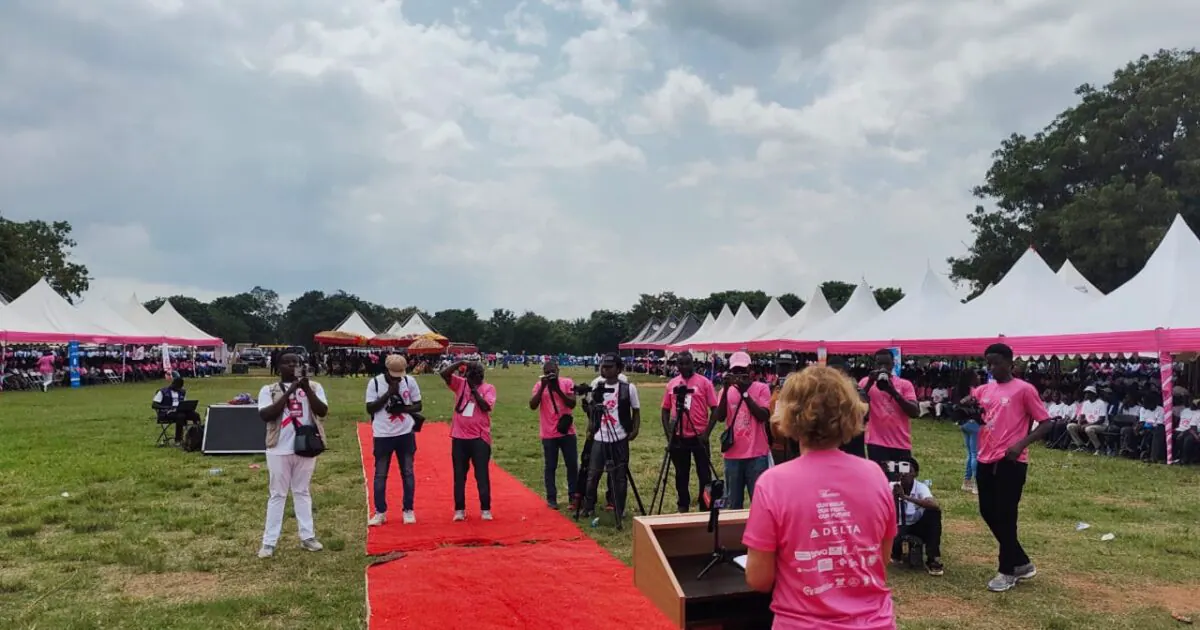
Ghanaian journalists have shared their reflections on a decade of reporting on breast cancer awareness campaigns in the country. For Francis Appiah, Deputy News Editor at Otec FM, the experience has been unforgettable, particularly with Breast Care International (BCI) since 2011. He recalls a breast cancer awareness campaign in Cape Coast where participants defied heavy rains to attend, and another in Tamale where the Ghana National Fire Service provided relief from the intense heat. These experiences have not only informed his reporting but also equipped him with knowledge to share with women and the public.
Appiah's encounters with breast cancer patients have had a lasting impact on his understanding of the disease. He remembers Gifty Joyce, a woman he interviewed in the Central Region, who initially sought help at a prayer house before receiving medical care from BCI. Her story, which involved a mastectomy, left Appiah emotional and thinking about women who conceal their diagnosis due to fear of stigma and discrimination. He also recalls a student he teaches who had a lump in her breast and was reluctant to seek medical attention due to fear of a mastectomy. Appiah's experience has reinforced his conviction that people need accurate information about breast cancer and its treatment.
Michael Ofosu-Afriyie, Deputy Managing Editor of the Daily Banner, also shares his experience of attending BCI's first campaign in Kumasi about 12 years ago. The pre-launch event introduced him to the disease, its symptoms, causes, and treatment options, giving him his first substantial exposure to breast cancer issues. He believes that awareness activities have reached more people, including through churches, schools, and community gatherings. However, he notes that misconceptions about breast cancer persist, with some people interpreting it as a spiritual attack or curse.
Ofosu-Afriyie emphasizes the need for reliable data to establish the impact of journalism and public awareness campaigns on breast cancer. He suggests conducting surveys in schools, churches, and public places to assess public knowledge and behavior. He also proposes that breast cancer education should begin early in life, with age-appropriate information included in school curricula. This education should not be limited to October, which is recognized internationally as Breast Cancer Awareness Month.
Andrew Gampson of UTV also highlights the importance of media support in breast cancer awareness campaigns. His organization joins BCI and its president, Dr. Beatrice Wiafe Addai, every year to support the campaign, using its platform to educate the public and raise awareness about the disease. Dr. Wiafe Addai has urged journalists to continue helping women understand breast cancer and seek appropriate care, emphasizing that no woman should face breast cancer alone.
The journalists' reflections raise questions about how years of public education can translate into better understanding, earlier medical attention, and improved access to treatment. They emphasize the need for sustained awareness campaigns, particularly in rural communities where access to specialized services can be limited. Appiah believes that rural communities need more awareness campaigns, and organizers should take activities into remote areas where people may depend on Community-based Health Planning and Services (CHPS) compounds.
As another awareness march takes place in Mampong in the Ashanti Region, the journalists' experiences and insights serve as a reminder of the importance of continued public education and awareness about breast cancer. Their reflections highlight the need for a multi-faceted approach to addressing breast cancer, including education, awareness campaigns, and access to medical care. By working together, journalists, healthcare professionals, and campaign organizers can help improve understanding and treatment of the disease.
Key points
- Journalists reflect on a decade of reporting on breast cancer awareness campaigns in Ghana.
- Awareness campaigns should be sustained and targeted at rural communities.
- Education and awareness about breast cancer should begin early in life and be included in school curricula.