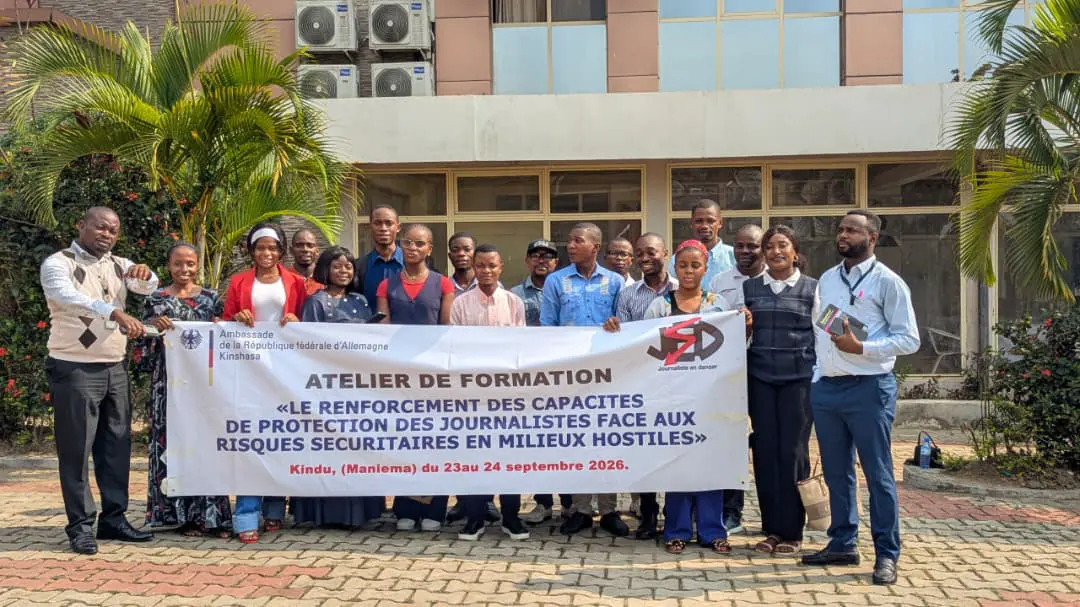
A two-day training on journalist safety in hazardous zones concluded in Kindu, Democratic Republic of the Congo. The workshop, held at the Espace Shadari hotel, equipped local journalists with essential skills to navigate high-risk areas. The training covered crucial aspects, including behavior on the ground, escape strategies, communication protocols, and accommodation preparation. Organized by the NGO Journaliste en danger (JED), the session aimed to enhance journalists' safety and effectiveness in reporting from challenging environments.
The training's focus on contextualizing security concerns in the province was a key aspect. Participants learned how to assess risks, identify potential threats, and develop strategies for mitigating them. The program also emphasized the importance of networking and communication among journalists, as well as with local authorities and stakeholders. By enhancing their understanding of the security landscape, journalists are better equipped to report on critical issues while minimizing risks.
Pascal Muhindo, the trainer, expressed satisfaction with the session's outcome, citing a conducive learning environment and a spirit of camaraderie among participants. He urged the journalists to apply the skills and knowledge acquired during the training, emphasizing the importance of translating theory into practice. The participants, in turn, thanked JED for initiating the training and recommended that similar programs be conducted in the future.
The training's relevance was underscored by the complex security situation in the region. Journalists in the Democratic Republic of the Congo often face significant challenges, including physical threats, intimidation, and censorship. By investing in journalist safety, organizations like JED aim to promote a culture of responsible reporting and protect the rights of journalists to operate freely.
The conclusion of the training in Kindu highlights the ongoing efforts to support journalist safety and enhance the quality of reporting in the Democratic Republic of the Congo. By providing journalists with the necessary skills and knowledge, organizations can help foster a more informed public discourse and promote accountability. The impact of this training will be closely watched, as journalists in the region continue to navigate complex security challenges.
Local journalists have welcomed the training, recognizing its potential to improve their safety and effectiveness. They have also emphasized the need for continued support and training, acknowledging the dynamic nature of security challenges in the region. As the situation in the Democratic Republic of the Congo continues to evolve, initiatives like this training program will remain crucial in promoting journalist safety and responsible reporting.
The training program in Kindu is part of a broader effort to promote journalist safety and enhance the quality of reporting in the Democratic Republic of the Congo. As the country continues to navigate complex security challenges, the importance of initiatives like this training program will only continue to grow. By investing in journalist safety, organizations can help promote a culture of responsible reporting and protect the rights of journalists to operate freely.
Key points
- Journalists in Kindu, DR Congo, completed a two-day training on safety in hazardous zones, focusing on security context in the province.