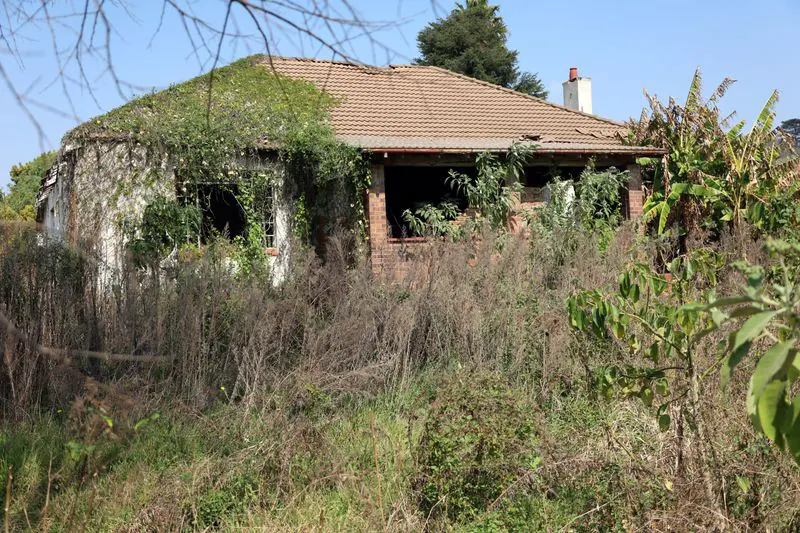
A growing number of abandoned and hijacked homes in Johannesburg's Kensington suburb are driving longtime residents out of the area. In some cases, buildings have been abandoned by owners or tied up in estates and are taken over by hijackers who move in tenants and charge rent. The hijacked properties often make illegal utility connections to neighbouring homes, saddling paying residents with astronomical bills.
According to Isabella Pingle, an estate agent in the area and a member of the Kensington Heritage Trust, the crisis is leading to more residents moving out of the area and driving down property values. "Nobody wants to buy a property next to a hijacked property or an overcrowded property, because they're not going to get a return on their investment and the bank might not even give them a bond," she said.
Some problematic properties were legally purchased and illegally developed. A member of the Kensington Residents and Ratepayers Association (KRRA) showed a list of addresses where the owners allegedly built unauthorised structures and moved dozens of people in. The overcrowded properties have a direct, negative impact on service delivery throughout the area as the infrastructure is not upgraded to keep up with the new demand.
The City of Johannesburg has a process in place to deal with complaints about possible extensions. A building inspector goes out on site to investigate and issues a contravention notice and a Section 56 fine if the owner cannot provide approved building plans. However, this does little to deter landlords, who make enough money from their tenants to easily absorb the penalties.
Richard Keith Francis, chairperson of the Cleveland Community Policing Forum (CPF), said property hijackings had escalated across Kensington, Bruma, Malvern, and Jeppestown over the past two to three decades. Hijackers typically rely on three main tactics: brute force, pretending to be interested in being a long-term good tenant, and using South Africans to purchase properties and then defaulting on the bank loan.
Francis added that when using the first two methods, the hijackers target vulnerable homeowners, such as pensioners and tenants who don't know their rights. Kensington is particularly susceptible owing to its large population of pensioners, many of whose family members have moved away. The criminal syndicates are highly organised and allegedly recruit people from hostels to do the heavy lifting, paying them as little as R40 to intimidate residents into leaving their homes.
Compounding the issue is the law. Property owners must report hijacked houses to the police as trespassing cases within 48 hours; otherwise, under the Prevention of Illegal Eviction Act (PIE Act), squatters gain legal rights and cannot be evicted without a court order. This makes it difficult for homeowners to regain control of their properties.
Key points
- Kensington residents are fleeing due to the increasing number of hijacked homes and the resulting overcrowding and utility theft.
- The City of Johannesburg's process for dealing with complaints about possible extensions has been ineffective in deterring landlords.
- Property hijackers in Kensington are using tactics such as brute force and pretending to be interested in being a long-term good tenant to take control of homes.