The Jehovah's Witnesses organisation has made a significant change to its stance on blood transfusions, allowing individual members to decide whether to accept transfusions of major blood components. This decision, announced by the organisation's Governing Body, marks a historic shift away from their longstanding position. The change has been welcomed by the National Department of Health, which sees it as a major development that could ease challenges faced by healthcare workers treating Jehovah's Witness patients.
Under the new policy, Jehovah's Witnesses members can personally decide whether to accept red blood cells, white blood cells, plasma, or platelets from donated blood. However, the organisation's position against whole-blood transfusions remains unchanged. Health Minister Dr. Aaron Motsoaledi welcomed the decision, noting that the prohibition on whole blood was not significant to ordinary hospital transfusion practice. He commended the Jehovah's Witnesses for taking a "giant leap" that would reduce pressure on healthcare workers.
The change in policy comes after decades of difficult decisions in South African courts involving Jehovah's Witness patients, particularly children, who required blood products. In some cases, families refused consent for blood transfusions on religious grounds, leading to tensions between religious beliefs, parental decision-making, and doctors' responsibilities to provide life-saving treatment. The decision is expected to have a significant impact on the healthcare system.
For decades, Jehovah's Witnesses based their refusal of blood transfusions on their interpretation of biblical passages. The organisation's position is based on the biblical command to abstain from blood. While the latest decision does not remove that religious teaching entirely, it extends the principle of personal conscience to the four main components of blood.
The Jehovah's Witnesses' announcement does not mean members are now required to accept blood products. Instead, the decision about whether to accept the four main blood components is now left to individual conscience. The organisation has previously promoted blood-conservation and "bloodless" medical techniques, which have benefited patients more broadly.
The National Department of Health views the latest decision as a major development after years of difficult cases involving the religious prohibition. The department believes that the change will ease the pressure on healthcare workers who previously had to seek court intervention in cases involving critically ill children.
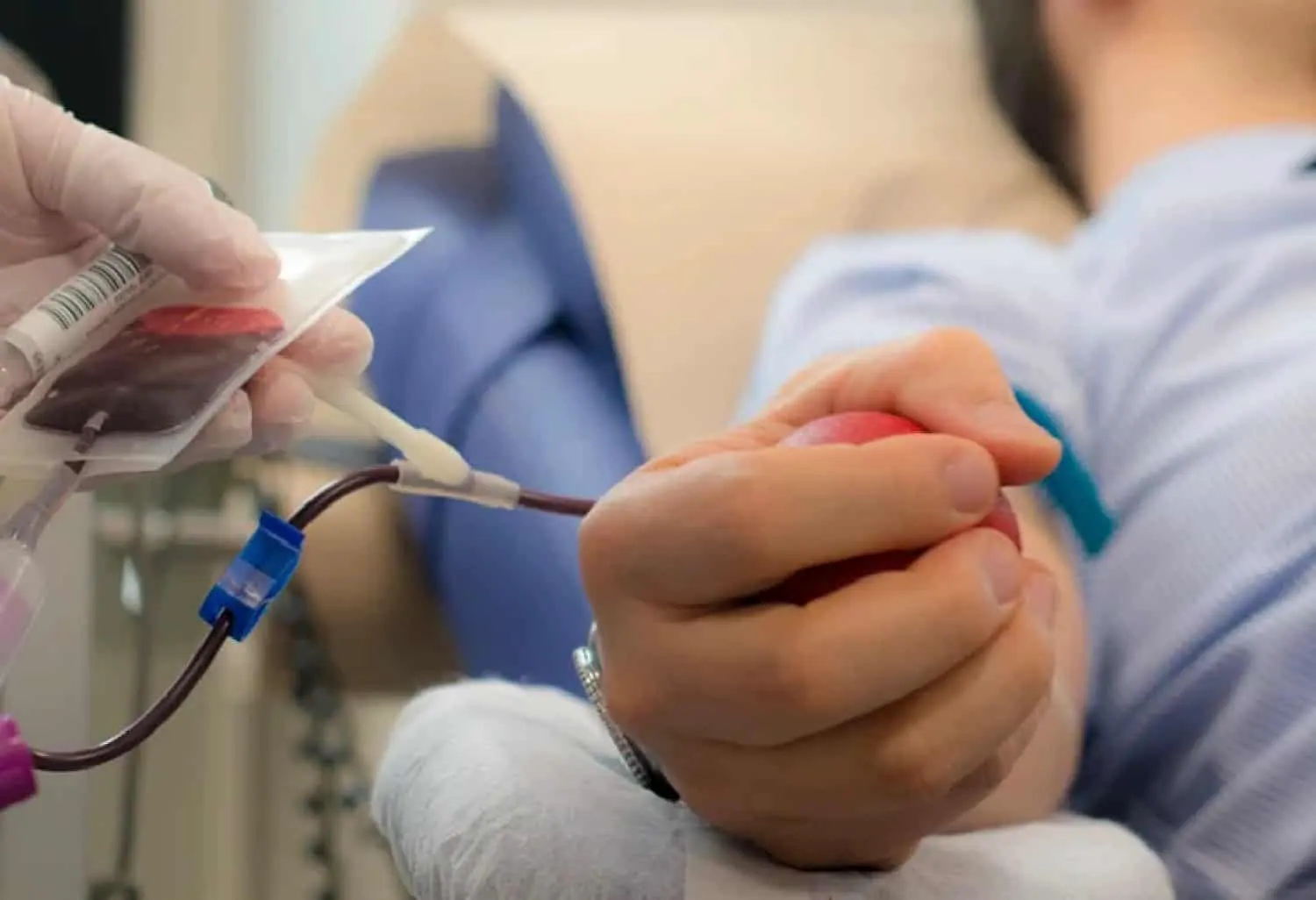
A blood transfusion involves giving donated blood or specific blood components to a patient through a vein to replace lost blood or treat conditions affecting the blood. The change in policy is expected to have a positive impact on patients and healthcare workers, allowing for more flexibility in medical treatment.
Key points
- The Jehovah's Witnesses organisation has changed its stance on blood transfusions, allowing individual members to decide whether to accept transfusions of major blood components.
- The decision has been welcomed by the National Department of Health, which sees it as a historic shift that could ease challenges faced by healthcare workers.
- The change in policy is expected to have a significant impact on the healthcare system, particularly in cases involving Jehovah's Witness patients who require blood products.