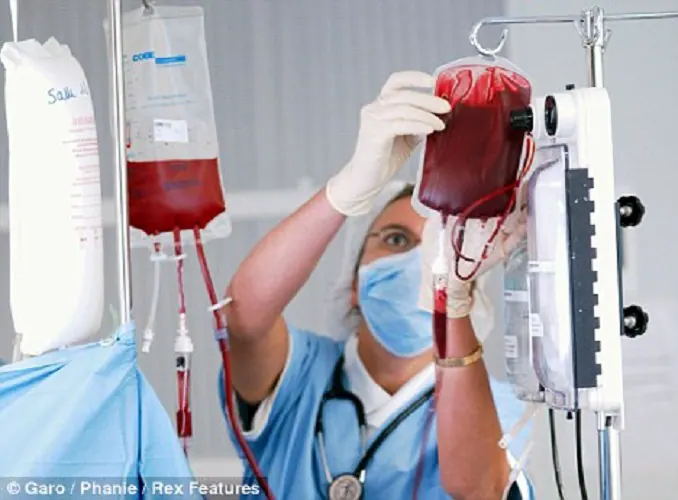
The governing body of Jehovah’s Witnesses has announced a significant change in its medical policies, giving members the freedom to make personal choices about blood transfusions. According to an official statement published on their website on Friday, September 20, 2026, accepting blood transfusions like red cells, white cells, plasma, or platelets is now a matter of individual conscience. This shift in policy applies to Jehovah’s Witnesses worldwide, including those in Nigeria.
The church has maintained a long-standing ban on whole-blood transfusions, which remains firmly in place. However, individual members are now free to decide whether to donate or receive specific blood components. Paul Gillies, the international spokesman for the church, emphasized that blood remains sacred to the faith as a precious gift from God. He noted that congregations will no longer be involved in these deeply personal medical choices.
Medical decisions involving blood fractions are now strictly between individual members and God. The church expressed deep gratitude to medical professionals for providing quality care that respects their religious values. This change is expected to give Jehovah’s Witnesses more flexibility when facing life-or-death medical emergencies, particularly in situations where blood transfusions may be necessary.
This new adjustment builds on earlier doctrinal changes made by the church. About seven months ago, Jehovah’s Witnesses eased their rules to allow members to decide whether they could remove, store, and reuse their own blood during medical procedures. Gerrit Lösch, a member of the governing body, previously explained that the Bible does not directly comment on modern medical procedures involving specific blood fractions.
The leadership of Jehovah’s Witnesses insists that its members love life, reject faith healing, and actively seek out effective modern medical treatments. Despite this, the strict blood policies of the faith have led to fatal outcomes in the past. In December 2025, a Nigerian woman named Mensha Omotola Esther, commonly known as Aunty Esther, tragically died of breast cancer after reportedly refusing a life-saving blood transfusion due to her faith.
The church’s updated policy is expected to have a significant impact on its members in Nigeria and around the world. With this change, Jehovah’s Witnesses will have more autonomy to make decisions about their medical care, particularly in situations where blood transfusions are necessary. The church’s leadership hopes that this change will help its members navigate complex medical situations while staying true to their faith.
The shift in policy by Jehovah’s Witnesses reflects a more nuanced approach to medical decision-making. By giving members the freedom to make personal choices about blood transfusions, the church is acknowledging the complexity of modern medical care. This change is also seen as a way to balance the church’s commitment to its faith with the need to prioritize the health and well-being of its members.
Key points
- Jehovah’s Witnesses now allow members to decide on blood transfusions
- The church maintains a ban on whole-blood transfusions
- The policy change aims to give members more flexibility in medical emergencies