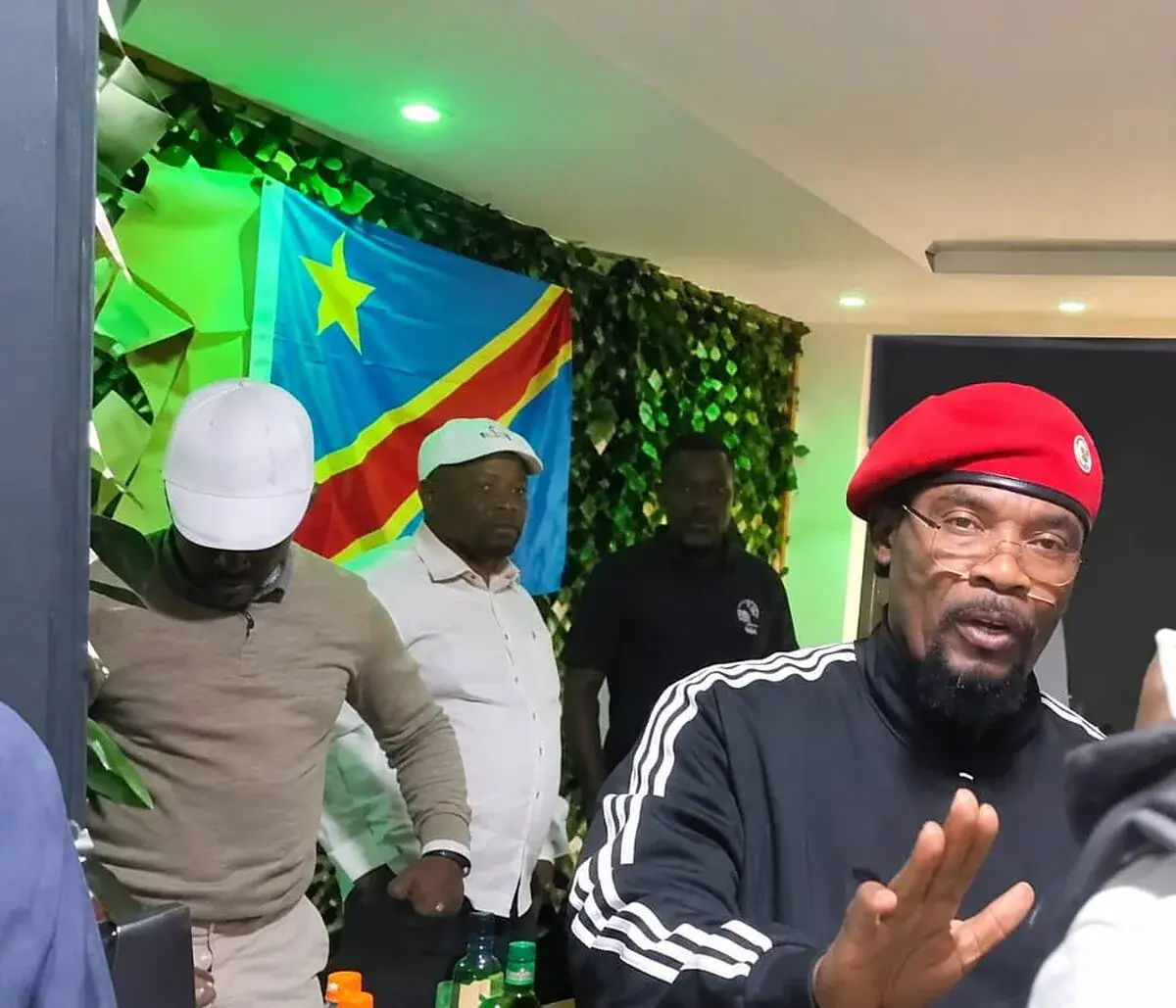
Jean-Marc Kabund, a prominent figure in the Congolese opposition, recently faced criticism from members of the Congolese diaspora in London. The confrontation centered on his perceived stance towards Rwandan President Paul Kagame, with many Congolese expressing disapproval of what they saw as a lenient attitude towards the Rwandan leader. This incident highlights the divisions within the Congolese diaspora and the wider Congolese public regarding the country's stance on Rwanda and the ongoing security crisis in eastern Democratic Republic of the Congo.
The confrontation took place against a backdrop of strained relations between Kinshasa and Kigali. The security situation in eastern DRC remains a major concern, with the DRC government facing criticism for its handling of the crisis. Kabund's critics argue that his alleged support for Kagame undermines the DRC's position on the issue. The incident was widely reported on social media, with one Congolese individual questioning Kabund's stance, saying "Why does Jean-Marc Kabund support Paul Kagame? We are against this."
This controversy comes at a sensitive time in DRC politics, with the country grappling with a persistent security crisis and heightened tensions between the government and opposition. Former President Joseph Kabila has been linked to the AFC/M23, a group engaged in an armed confrontation with Kinshasa. Kabund, on the other hand, operates within the non-armed opposition, specifically within the C64 coalition, which seeks to present an alternative to the current government.
The circumstances surrounding the London incident and the nature of the threats made against Kabund require further documentation. So far, Kabund has not publicly commented on the confrontation or the allegations made against him. The incident underscores the complexities of DRC politics, particularly in relation to neighboring countries and the diaspora community.
The DRC-Rwanda relationship has long been complicated, with historical and ongoing security concerns contributing to tensions between the two nations. The eastern DRC has been plagued by armed groups, including the M23, which has been supported by Rwanda. This has led to a deterioration in relations between Kinshasa and Kigali, with the DRC accusing Rwanda of interference in its internal affairs.
Jean-Marc Kabund's position within the Congolese opposition and his alleged stance on Paul Kagame have sparked a heated debate within the Congolese diaspora and beyond. While some have criticized his perceived support for Kagame, others may view his stance as a pragmatic approach to dealing with neighboring countries. The incident highlights the challenges faced by opposition figures in navigating complex domestic and international issues.
The London confrontation serves as a reminder of the global nature of Congolese politics, with diaspora communities actively engaged in discussions and debates about the country's future. As the DRC continues to grapple with internal and external challenges, the role of opposition figures like Jean-Marc Kabund will remain under scrutiny. The incident also underscores the need for clear communication and transparency in politics, particularly on issues as sensitive as international relations and national security.
Key points
- The confrontation highlights divisions within the Congolese diaspora and the wider public regarding the country's stance on Rwanda and the security crisis in eastern DRC.