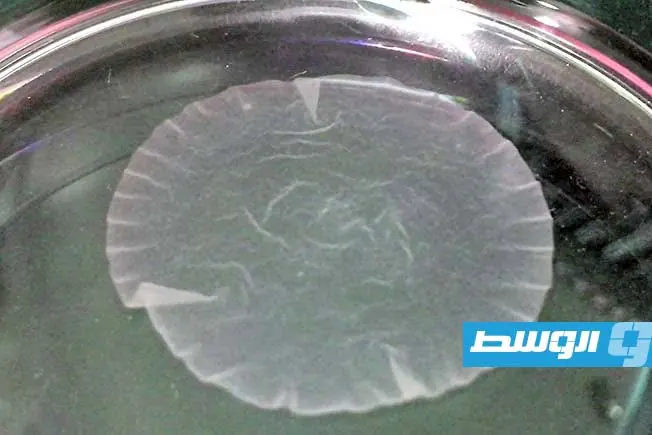
A Japanese hospital has achieved a groundbreaking medical milestone by conducting the world's first heart muscle cell transplant using commercially available stem cells. The procedure, performed on a woman in her 50s, aimed to improve her quality of life and restore damaged heart function. The transplant involved implanting heart muscle cells derived from induced pluripotent stem cells (iPS), a type of stem cell that can be reprogrammed from adult cells.
The pioneering surgery was carried out by Dr. Yoshiki Sawa, in collaboration with Nobel laureate Dr. Shinya Yamanaka, who developed the iPS cell technology. This innovative medical approach targets patients who have exhausted conventional treatment options, with the goal of increasing heart efficiency and endurance. The procedure took approximately one hour to complete and has shown promising results in clinical trials involving eight patients with ischemic heart disease.
The clinical trials demonstrated that all eight patients experienced improved symptoms, with half showing significant improvements in heart function. The iPS cell therapy has been approved for commercial use in Japan, and the hospital plans to treat 75 patients by 2033. This will help gather comprehensive data and reports for the media and regulatory authorities, paving the way for full approval in the next seven years.
Japan continues to expand its use of stem cell therapy, including the conditional approval of iPS cell treatment for Parkinson's disease. This technology reprograms adult cells without the need for embryonic cells. The country's medical community is optimistic about the potential of iPS cells to revolutionize the treatment of various diseases.
The iPS cell therapy has the potential to transform the treatment of heart disease, offering new hope to patients who have limited treatment options. The successful transplant is a significant step forward in the development of regenerative medicine, and researchers are eager to explore its applications in other areas.
The use of commercially available stem cells for heart muscle cell transplants marks a significant breakthrough in the field of cardiology. This innovative approach could lead to more effective treatments for heart disease, improving the lives of millions of people worldwide.
As research continues to advance, the medical community is likely to see more groundbreaking developments in the field of stem cell therapy. The successful transplant in Japan is a testament to the country's commitment to innovation and its position at the forefront of medical research.
Key points
- A Japanese hospital has conducted the world's first heart muscle cell transplant using commercially available stem cells, marking a significant breakthrough in the field of cardiology.