Japan's Ministry of Economy, Trade and Industry (METI) has been actively supporting projects across the Global South, with a focus on Indonesia and Vietnam. During fiscal years 2024 and 2025, METI backed 464 projects across 81 countries, according to its 2026 progress report. This initiative has been allocated approximately ¥150bn (roughly US$1bn) annually from fiscal year 2023 through fiscal year 2025. The programme aims to test commercial partnerships across emerging markets.
METI's support is divided into different categories, including large demonstrations, smaller demonstrations, feasibility studies, and masterplans. Each category represents a distinct stage of project maturity. The 2026 report indicates that supported projects are increasingly transitioning from feasibility and demonstration phases towards commercialisation and investment. However, not all projects are investment-ready, with only 36 receiving specific recognition for progress.
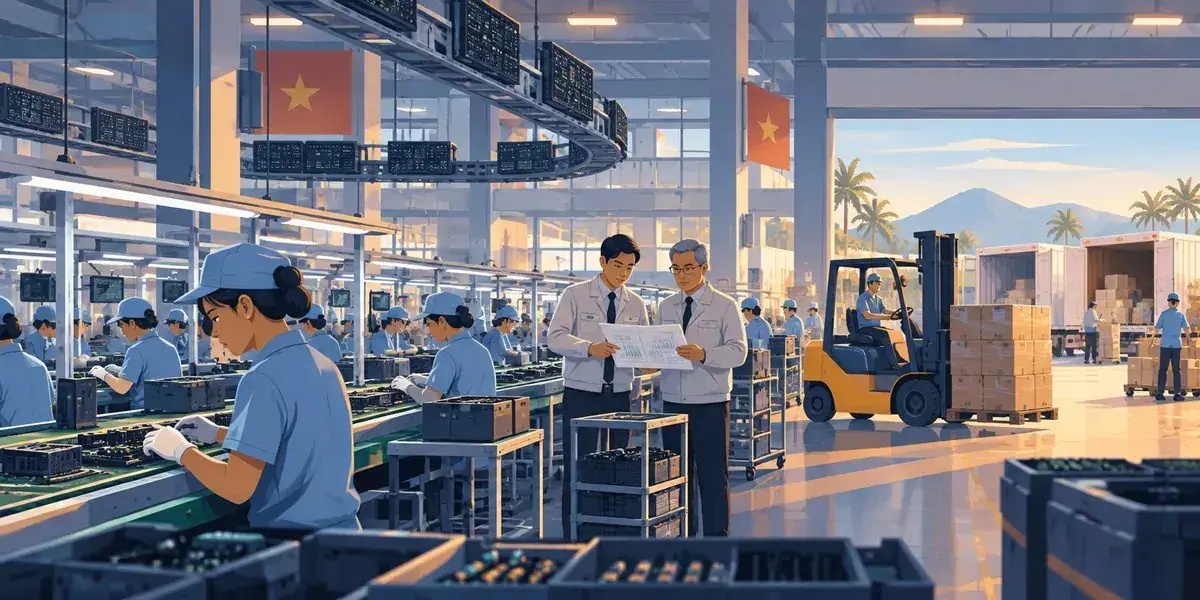
Indonesia and Vietnam have emerged as the strongest markets for commercial follow-through. Vietnam's manufacturing sector contributed 24.5% to its gross domestic product in 2025, according to World Bank data. The country's internet penetration reached 84.2% in 2024, supporting industrial and digitally enabled projects. These indicators reduce the distance between technical demonstrations and potential operating businesses.
Other markets, including India and Bangladesh, also offer substantial opportunities. Bangladesh's manufacturing value added reached 22.4% of GDP in 2025, while India's internet penetration reached 70% of the population in 2025. Africa also presents a concentrated opportunity set, with six markets capturing most continental foreign direct investment.
The METI programme provides valuable insights for investors. The quality of the transition from public support to durable contracts is a key indicator of a project's potential. This distinction separates government demonstrations from bankable assets. A notable example is Tsubame BHB, a Japanese firm selected by METI for an India demonstration producing ultra-high-purity ammonia for photovoltaic solar-cell manufacturing.
The METI Co-Creation Programme has made significant progress in supporting projects across various sectors. The programme's 2026 progress report highlights the increasing maturity of supported projects. Investors require evidence of revenue, procurement awards, local equity, and post-programme funding before assigning commercial value to these projects.
As Japan's Global South investment continues to evolve, Indonesia and Vietnam are well-positioned to benefit from commercial follow-through. The success of these projects will depend on their ability to transition from public support to durable contracts. With the right conditions in place, these markets offer promising opportunities for investors and businesses alike.
Key points
- Indonesia and Vietnam have emerged as the strongest markets for commercial follow-through, driven by their manufacturing and digital infrastructure.
- The METI programme supports 464 projects across 81 countries, with a focus on transitioning from feasibility and demonstration phases towards commercialisation and investment.
- Investors require evidence of revenue, procurement awards, local equity, and post-programme funding before assigning commercial value to projects.