A patient with Parkinson's disease in Japan has received a pioneering treatment involving stem cells, according to a statement released by the pharmaceutical company that developed this innovative therapy. The procedure, which took place at Kyoto University Hospital in October, marks a significant milestone in the quest to find more effective treatments for this debilitating condition. Current treatments only alleviate symptoms without slowing or halting disease progression.
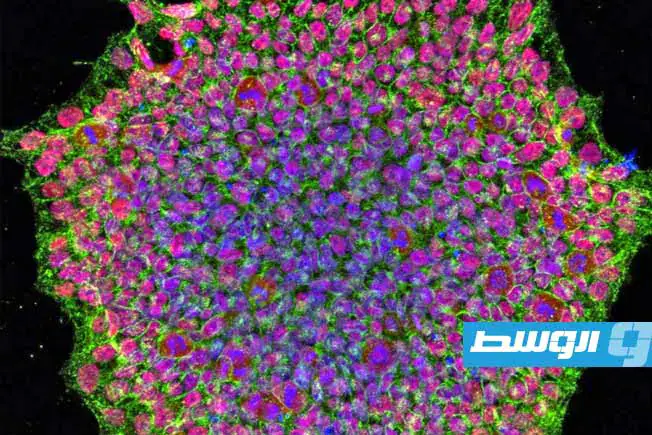
The novel treatment involves transplanting millions of induced pluripotent stem cells (iPSCs) into the patient's brain. These iPSCs have the ability to develop into any type of cell in the human body, making them a promising tool for regenerative medicine. In this case, the iPSCs are converted into precursor cells for brain cells responsible for producing dopamine, a neurotransmitter essential for motor control that is depleted in individuals with Parkinson's disease.
The Japanese regulatory authorities approved this pioneering treatment in March, following successful clinical trials. During these trials, seven patients aged 50-69 underwent transplantation of either five or ten million cells on each side of the brain. Over two years of follow-up, no major side effects were observed, and four patients showed improvement in their symptoms. This breakthrough has generated significant interest and hope for those suffering from Parkinson's disease.
According to Sumitomo Pharma, the company behind the treatment, plans are underway to perform transplants on 20 to 30 patients by March 2029. Additionally, the company is currently conducting clinical trials in the United States, further expanding the potential reach of this innovative therapy. If proven safe and effective over the next seven years, this treatment could receive final approval in Japan.
Parkinson's disease is a progressive neurological disorder affecting approximately ten million people worldwide. It leads to the deterioration of nerve cells, resulting in symptoms such as tremors and stiffness in various parts of the body. Current treatments focus on managing symptoms, but this new approach offers the possibility of slowing or even halting disease progression.
The development of this treatment is a significant advancement in the field of regenerative medicine and offers new hope for individuals living with Parkinson's disease. As research continues and more patients are treated, the full potential of this therapy will become clearer. For now, it represents a promising step forward in the quest to combat this debilitating condition.
Key points
- The world's first stem cell transplant to treat Parkinson's disease has been successfully performed in Japan.
- The treatment involves transplanting induced pluripotent stem cells into the patient's brain to replace damaged cells.
- The procedure showed promising results in clinical trials, with four out of seven patients experiencing improved symptoms.