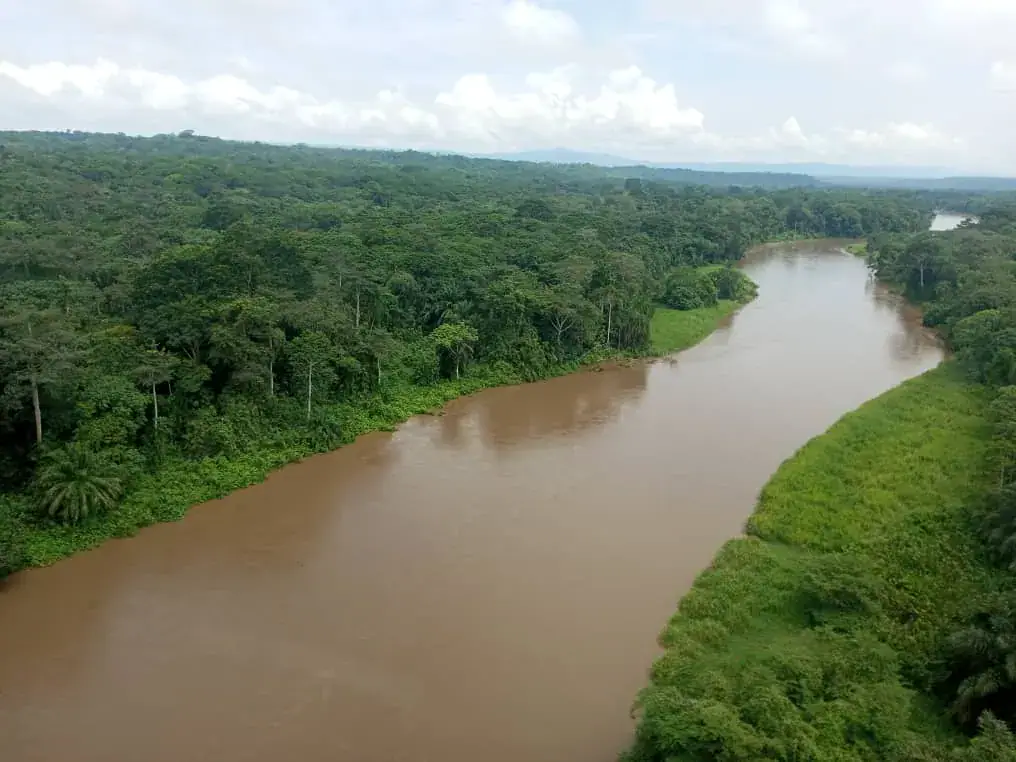
The Democratic Republic of Congo has taken a significant step towards protecting its forests and natural resources while improving the lives of rural populations and helping them cope with climate change. The country's first national payments for environmental services (PSE) mechanism was outlined during the second edition of the Climate Week, held in Kinshasa from October 26 to 30. This mechanism aims to support sustainable agricultural practices and community-led forest conservation, allowing households and communities to directly benefit from these activities.
The four-day event brought together participants who recommended accelerating the operationalization of the carbon market in the DR Congo. They suggested finalizing the application measures of the legal framework, clarifying the responsibilities of different institutions, and strengthening monitoring, control, certification, and tracking of projects. The participants also proposed making carbon sovereignty a guiding principle, ensuring the state has control over the management, valuation, and commercialization of carbon credits.
The recommendations also focus on environmental, social, and accounting integrity of carbon projects. Participants emphasized the need to protect land rights, customary and community rights. They called for the effective involvement of local communities and indigenous peoples in all stages of projects, from design to implementation, monitoring, and governance. A fair, equitable, and transparent sharing of benefits generated by these projects was also advocated.
The conservation of natural capital should contribute to inclusive development, according to the participants. Project results should be evaluated based on their concrete and verifiable impacts on ecosystems, income, employment, and living conditions of populations. This approach aims to ensure that the economic and environmental benefits of natural resource valorization also reach the communities that contribute to their preservation.
To achieve these goals, the participants recommended strengthening international partnerships, technology transfers, and mobilization of climate finance. These orientations aim to better frame the valorization of the DR Congo's natural resources, ensuring that economic and environmental benefits also reach communities that contribute to their preservation.
The mechanism is expected to support sustainable agricultural practices and community-led forest conservation, allowing households and communities to directly benefit from these activities. The DR Congo's efforts to protect its forests and natural resources while improving rural livelihoods and addressing climate change have been ongoing, with various initiatives and projects being implemented.
The country's commitment to environmental protection and sustainable development is reflected in its participation in international agreements and initiatives, such as the United Nations' Reducing Emissions from Deforestation and Forest Degradation (REDD+) program. The DR Congo's national payments for environmental services mechanism is a significant step towards achieving its climate and development goals.
Key points
- The DR Congo has defined a national payments for environmental services mechanism to protect forests and improve rural livelihoods.
- The mechanism aims to support sustainable agricultural practices and community-led forest conservation.
- The country's efforts focus on environmental integrity, social equity, and carbon sovereignty.